






Kushmanda Khanda
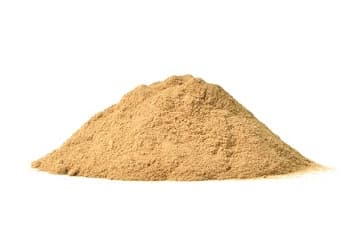
Kushmanda Khanda is a traditional Ayurvedic herbal medicine described in the classical text Ayurveda Sarasangriha [1]. It is prepared from ash gourd, mixed with ghee, sugar, honey, and warming digestive spices in a soft, jam-like preparation known as Avaleha. Ash gourd has naturally cooling and nourishing properties, while the spices provide warmth and support digestion. The mixture creates a balanced formulation that helps cool the body without weakening digestive strength. From a modern nutrition perspective, ash gourd is a good source of vitamin C, calcium, and iron. [2]. This combination works by helping the body absorb nutrients quickly, rebuilding weak tissues, and restoring strength, making it especially useful after illness, fever, or weakness. Studies also suggest that ash gourd has anti-inflammatory and antioxidant properties, which may further support the body’s healing process. g [3]. However, Kushmanda Khanda should always be taken under the guidance of a qualified Ayurvedic practitioner, and people with diabetes must be particularly careful due to its sugar and honey content.
What is Kushmanda Khanda made of?
What are the synonyms of Kushmanda Khanda?
Kushmand , Kushmand granules, Kushmanda khanda
What is the source of Kushmanda Khanda?
Plant Based
Benefits of Kushmanda Khanda
1. General Weakness
General weakness is a feeling of body fatigue or tiredness. You may feel a lack of energy. This usually happens when the body is deprived of a continuous flow of energy. According to Ayurveda, fatigue is also known as klama. It is caused by an imbalance of Kapha dosha and a deficiency of essential minerals in the body. Kushmanda Khanda has Balya (strength-providing) and Rasayana properties that help reduce fatigue symptoms. It also fulfills the requirements for important proteins, calcium, vitamin B, and vitamin C, which help build overall strength.
2. Chronic Fever
Chronic or persistent fevers are the type of fever that lasts more than 10 to 14 days. A mild infection or a chronic condition could cause it. As per Ayurveda, two factors can lead to high fever: the first is Ama (toxic remains in the body due to improper digestion), and the second is any foreign particle or organism that invades the body. Kushmanda Khanda helps reduce fever intensity by correcting Ama (toxic remains in the body due to improper digestion) through the Ama Pachana properties of pippali, ginger, and cumin, while Kushmand cools the body, reduces internal heat, and improves hydration and comfort.
General weakness is a feeling of body fatigue or tiredness. You may feel a lack of energy. This usually happens when the body is deprived of a continuous flow of energy. According to Ayurveda, fatigue is also known as klama. It is caused by an imbalance of Kapha dosha and a deficiency of essential minerals in the body. Kushmanda Khanda has Balya (strength-providing) and Rasayana properties that help reduce fatigue symptoms. It also fulfills the requirements for important proteins, calcium, vitamin B, and vitamin C, which help build overall strength.
2. Chronic Fever
Chronic or persistent fevers are the type of fever that lasts more than 10 to 14 days. A mild infection or a chronic condition could cause it. As per Ayurveda, two factors can lead to high fever: the first is Ama (toxic remains in the body due to improper digestion), and the second is any foreign particle or organism that invades the body. Kushmanda Khanda helps reduce fever intensity by correcting Ama (toxic remains in the body due to improper digestion) through the Ama Pachana properties of pippali, ginger, and cumin, while Kushmand cools the body, reduces internal heat, and improves hydration and comfort.
Precautions when using Kushmanda Khanda

AYURVEDIC VIEW
Pregnant women should consult an Ayurvedic physician before using this regularly.
AYURVEDIC VIEW
Breastfeeding women should also consult an Ayurvedic physician before using this regularly.
AYURVEDIC VIEW
Avoid Kushmand Khanda if you're on medication for high blood sugar levels.
Recommended Dosage of Kushmanda Khanda
- Kushmanda Khanda Powder - ½–1 teaspoon once or twice daily, or as directed by a physician.
How to use Kushmanda Khanda
Take ½–1 teaspoon of Kushmanda Khanda after meals with lukewarm milk or warm water to help reduce general weakness and support recovery post-illness.
Frequently asked questions
Q. What is Kushmanda Khanda used for?
AYURVEDIC VIEW
Kushmanda Khanda is traditionally used to improve strength, support recovery from illness, and maintain overall vitality.
Q. Can Kushmanda Khanda be taken daily?
AYURVEDIC VIEW
Yes, Kushmanda Khanda may be taken daily in recommended doses under the guidance of an Ayurvedic practitioner.
Q. Is Kushmanda Khanda good for digestion?
AYURVEDIC VIEW
Yes, the formulation contains spices like pippali, ginger, cumin, and coriander that help support digestive function.
Q. Who should avoid Kushmanda Khanda?
AYURVEDIC VIEW
People with diabetes or those advised to avoid sugary preparations should use it only after consulting a healthcare professional.
Q. What is the best time to take Kushmanda Khanda?
AYURVEDIC VIEW
Kushmanda Khanda is recommended in the morning on an empty stomach or after meals, typically with warm milk or water. However, the ideal timing may vary depending on the individual's constitution and health condition, so it is best to follow the advice of an Ayurvedic practitioner.
Q. How to make Kushmanda Khanda at home?
AYURVEDIC VIEW
Take Kushmanda, remove the seeds, boil in water, and extract the juice.
Cook the juice with ghrita in a copper vessel until it attains a honey-like color.
Boil additional juice separately, then combine it with the cooked mixture.
Add sharkara and cook until a syrupy consistency is achieved.
Prepare a fine powder of pippali, ardraka, jiraka, twak, ela, tejpatra, maricha, and dhanyaka; sieve it,
Mix it well into the preparation.
Allow it to cool, then add honey and mix thoroughly.
Cook the juice with ghrita in a copper vessel until it attains a honey-like color.
Boil additional juice separately, then combine it with the cooked mixture.
Add sharkara and cook until a syrupy consistency is achieved.
Prepare a fine powder of pippali, ardraka, jiraka, twak, ela, tejpatra, maricha, and dhanyaka; sieve it,
Mix it well into the preparation.
Allow it to cool, then add honey and mix thoroughly.
References
- Abhi.Chi13/ 37-46, Ayurveda Sarasangriha, Edition 11th , Avaleha-Paka Prakaran, pg no. 535
- United States Department of Agriculture, Agricultural Research Service. Wax gourd, (Chinese preserving melon), raw [Internet]. Food Data Central; 2019 [cited 2025]. Available from

- Shinde V, Jadhav A. The ash gourd: unlocking its health benefits. Int J Pharm Sci [Internet]. 2024;2(12):709–720 [cited 2025]. Available from
Disclaimer
The content is purely informative and educational in nature and should not be construed as medical advice. Please use the content only in consultation with an appropriate certified medical or healthcare professional.
Author Details

M.Tech, B.Tech

BAMS

MBA, MBBS
Last updated 05 May 2026 | 12:05 PM (IST)

Introduction
Benefits
Precautions
Recommended dosage
How to use
FAQs
References