






Krishna Tila Kalka
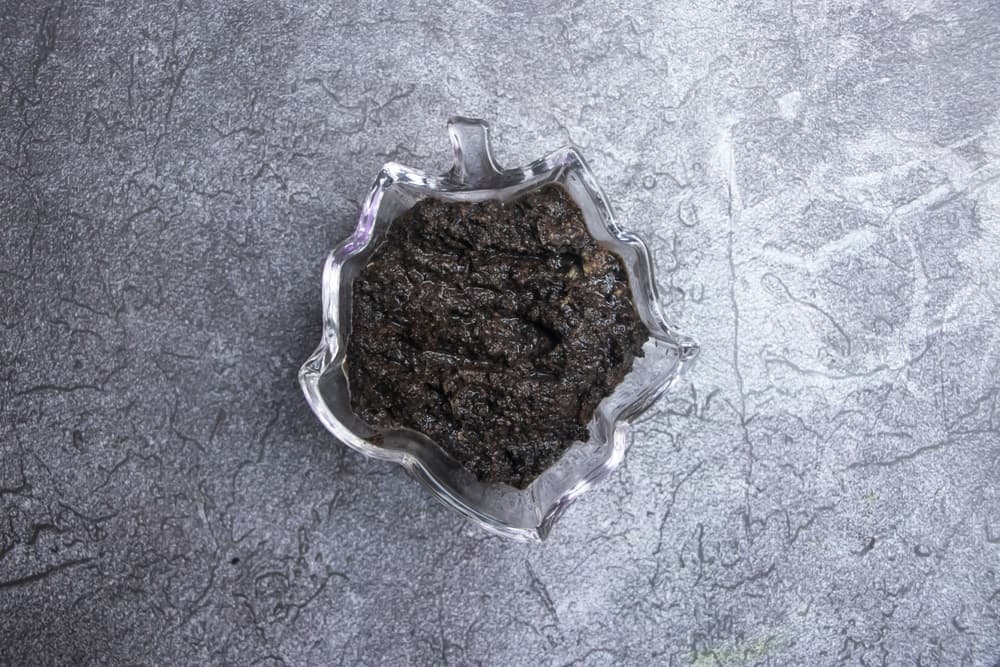
Krishna Tila Kalka is a traditional Ayurvedic preparation described in Abhinava Chikitsa (Abhi. Chi. 6/88) [1]. It is prepared by mixing equal parts of Krishna Tila (black sesame seeds) and Sharkara (sugar) and is taken in Lidha form, where it is slowly licked to support better digestion and absorption. This formulation is commonly used in conditions like bleeding dysentery and menstrual problems, such as painful or irregular periods.
Krishna Tila is nourishing and strengthening and helps balance Vata dosha, while Sharkara provides a cooling and calming effect. Black sesame seeds are rich in iron, healthy fats, and antioxidants like sesamin and sesamol, which help reduce inflammation and support tissue healing [2]. Together, Krishna Tila Kalka helps control excessive bleeding, soothes the gut, supports intestinal healing, and nourishes the reproductive tissues, which may help reduce period pain and cramps [3].
Krishna Tila is nourishing and strengthening and helps balance Vata dosha, while Sharkara provides a cooling and calming effect. Black sesame seeds are rich in iron, healthy fats, and antioxidants like sesamin and sesamol, which help reduce inflammation and support tissue healing [2]. Together, Krishna Tila Kalka helps control excessive bleeding, soothes the gut, supports intestinal healing, and nourishes the reproductive tissues, which may help reduce period pain and cramps [3].
What is Krishna Tila Kalka made of?
What are the synonyms of Krishna Tila Kalka?
Krishna Tila Kalka , Black Sesame, Black Sesame chatuney, chatuney , Black Sesame paste
What is the source of Krishna Tila Kalka?
Plant Based
Benefits of Krishna Tila Kalka
1. Bleeding Dysentery
Krishna Tila (black sesame) Kalka is beneficial in the management of bleeding dysentery. It helps control intestinal bleeding, soothes the irritated gut lining, and supports faster healing. When finely ground and taken with goat’s milk, it helps reduce loose motions and blood loss. It provides quick relief, especially in children suffering from weakness and dehydration due to frequent stools. The nourishing and strengthening nature of sesame helps restore energy and supports recovery from intestinal inflammation.
2. Dysmenorrhea
Krishna Tila Kalka is very helpful for women who suffer from painful or irregular periods. It works naturally to reduce menstrual cramps, support proper blood flow, and nourish the reproductive system. Black sesame is known to strengthen the uterus and improve circulation in the pelvic area, which helps ease lower abdominal pain and discomfort. Regular use of Krishna Tila Kalka can also help regulate the menstrual cycle, improve flow in scanty periods, and reduce the weakness and fatigue that often come with menstruation.
Krishna Tila (black sesame) Kalka is beneficial in the management of bleeding dysentery. It helps control intestinal bleeding, soothes the irritated gut lining, and supports faster healing. When finely ground and taken with goat’s milk, it helps reduce loose motions and blood loss. It provides quick relief, especially in children suffering from weakness and dehydration due to frequent stools. The nourishing and strengthening nature of sesame helps restore energy and supports recovery from intestinal inflammation.
2. Dysmenorrhea
Krishna Tila Kalka is very helpful for women who suffer from painful or irregular periods. It works naturally to reduce menstrual cramps, support proper blood flow, and nourish the reproductive system. Black sesame is known to strengthen the uterus and improve circulation in the pelvic area, which helps ease lower abdominal pain and discomfort. Regular use of Krishna Tila Kalka can also help regulate the menstrual cycle, improve flow in scanty periods, and reduce the weakness and fatigue that often come with menstruation.
Precautions when using Krishna Tila Kalka

MODERN SCIENCE VIEW
Women should consult an Ayurvedic physician before use.
MODERN SCIENCE VIEW
Women should consult an Ayurvedic physician before use.
MODERN SCIENCE VIEW
Avoid Krishna Tila Kalka if you're on medication for high sugar levels.
Recommended Dosage of Krishna Tila Kalka
- Krishna Tila Kalka Oral Paste - Take 1-2 teaspoons once or twice daily or as directed by the physician
How to use Krishna Tila Kalka
Krishna Tila Kalka should be taken with Anupana Ajapaya (goat’s milk)
Goat’s milk is light, easily digestible, and helps nourish tissues while supporting intestinal healing
Goat’s milk is light, easily digestible, and helps nourish tissues while supporting intestinal healing
Frequently asked questions
Q. How is Krishna Tila Kalka prepared at home?

AYURVEDIC VIEW
Grind Krishna Tila (Black Sesame) seeds into a smooth paste. Mix an equal quantity of powdered Sharkara Sugar) into it and blend well. Prepare fresh and use it within the same day.
Q. Can it be taken daily?
AYURVEDIC VIEW
It is generally used for short-term management of bleeding dysentery. Long-term use should be guided by an Ayurvedic doctor.
Q. Why is goat’s milk advised as an anupana?
AYURVEDIC VIEW
Goat’s milk is light, nourishing, and supports intestinal healing. It also helps balance aggravated Pitta and restore strength.
References
- 1. Abhinava Chikitsa, Chikitsa Sthana, Chapter 6, Shloka 88
- Hadipour E, Emami SA, Tayarani-Najaran N, Tayarani-Najaran Z. Effects of sesame (Sesamum indicum L.) and bioactive compounds (sesamin and sesamolin) on inflammation and atherosclerosis: A review. Food Sci Nutr. 2023;11(7):3729–57. PMID: 37457142. PMCID: PMC10345702.

- Agarwal D, Chaudhary P. Effect of Turmeric–Boswellia–Sesame Formulation in Menstrual Cramp Pain Associated with Primary Dysmenorrhea—A Double-Blind, Randomized, Placebo-Controlled Study. J Clin Med. 2023;12(12):3968.
Disclaimer
The content is purely informative and educational in nature and should not be construed as medical advice. Please use the content only in consultation with an appropriate certified medical or healthcare professional.
Author Details

MBA, MBBS

M.Tech, B.Tech

BAMS
Last updated 06 Feb 2026 | 05:21 PM (IST)

Introduction
Benefits
Precautions
Recommended dosage
How to use
FAQs
References