






Banyan
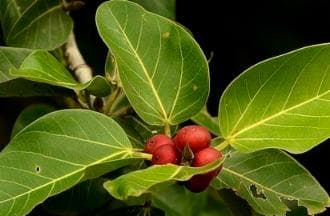
Banyan is considered a holy plant and is also known as the National tree of India. It is worshipped by many and is planted around homes and temples.
Banyan has many health benefits. It helps manage blood glucose levels by increasing insulin secretion due to its antioxidant properties. The antioxidants present in Banyan also helps to lower bad cholesterol levels. As per Ayurveda, it is useful in diarrhea and female problems like leucorrhea due to its Kashaya (astringent) property.
Banyan helps in reducing pain and inflammation associated with arthritis because of its anti-inflammatory and analgesic properties. Applying a paste of Banyan bark on gums reduces inflammation of gums due to its antiinflammatory property[2-6].
Banyan has many health benefits. It helps manage blood glucose levels by increasing insulin secretion due to its antioxidant properties. The antioxidants present in Banyan also helps to lower bad cholesterol levels. As per Ayurveda, it is useful in diarrhea and female problems like leucorrhea due to its Kashaya (astringent) property.
Banyan helps in reducing pain and inflammation associated with arthritis because of its anti-inflammatory and analgesic properties. Applying a paste of Banyan bark on gums reduces inflammation of gums due to its antiinflammatory property[2-6].
What are the synonyms of Banyan?
Ficus bengalensis, Vat, Ahat, Vatgach, Bot, Banyan tree, Vad, Vadalo, Badra, Bargad, Bada, Aala, Aladamara, Vata, Bad, Peraal, Vad, Bata, Bara, Bhaur, Aalamaram, Aalam, Marri[1].
What is the source of Banyan?
Plant Based
Benefits of Banyan
1. Diarrhea
Banyan is an effective herb for controlling diarrhea. Diarrhea, also known as Atisar in Ayurveda, is caused due to improper food, impure water, toxins, mental stress, and Agnimandya (weak digestive fire). All these factors are responsible for aggravating Vata. This aggravated Vata brings fluid in the intestine from various body tissues and mixes them with the stools. This leads to loose, watery motions or Diarrhea. Using Banyan bark powder helps to control the loss of water from the body by making the stool thick due to its Kashaya (astringent) property.
Tips for using Banyan powder in diarrhea.
a. Take 2-3 gm of Banyan bark powder or as directed by the physician.
b. Mix with water or milk.
c. Have it once or twice a day after taking light food to get quick relief in diarrhea.
2. Leucorrhea
Leucorrhea is a thick, whitish discharge from the female genitals. According to Ayurveda, leucorrhea is due to an imbalance of Kapha dosha. Banyan shows a good result in leucorrhea because of its Kashaya (astringent) property. It helps to control aggravated Kapha and reduce the symptoms of leucorrhea.
Tips for using Banyan in leucorrhea.
1. Take 3-6 gm of Banyan bark or leaves powder.
2. Mix it with 2 cups of water.
3. Boil this mixture for about 10 to 15 minutes or until the volume reduces to one-fourth cup.
4. Filter this one-fourth cup of decoction.
5. Take this lukewarm decoction (about 15-20 ml) twice a day or as directed by the physician to get relief in symptoms of leucorrhea.
Banyan is an effective herb for controlling diarrhea. Diarrhea, also known as Atisar in Ayurveda, is caused due to improper food, impure water, toxins, mental stress, and Agnimandya (weak digestive fire). All these factors are responsible for aggravating Vata. This aggravated Vata brings fluid in the intestine from various body tissues and mixes them with the stools. This leads to loose, watery motions or Diarrhea. Using Banyan bark powder helps to control the loss of water from the body by making the stool thick due to its Kashaya (astringent) property.
Tips for using Banyan powder in diarrhea.
a. Take 2-3 gm of Banyan bark powder or as directed by the physician.
b. Mix with water or milk.
c. Have it once or twice a day after taking light food to get quick relief in diarrhea.
2. Leucorrhea
Leucorrhea is a thick, whitish discharge from the female genitals. According to Ayurveda, leucorrhea is due to an imbalance of Kapha dosha. Banyan shows a good result in leucorrhea because of its Kashaya (astringent) property. It helps to control aggravated Kapha and reduce the symptoms of leucorrhea.
Tips for using Banyan in leucorrhea.
1. Take 3-6 gm of Banyan bark or leaves powder.
2. Mix it with 2 cups of water.
3. Boil this mixture for about 10 to 15 minutes or until the volume reduces to one-fourth cup.
4. Filter this one-fourth cup of decoction.
5. Take this lukewarm decoction (about 15-20 ml) twice a day or as directed by the physician to get relief in symptoms of leucorrhea.
Precautions when using Banyan
Breastfeeding

MODERN SCIENCE VIEW
Since enough scientific evidence is not available about the use of Banyan during breastfeeding. So, it is advisable to avoid the use of Banyan or consult a physician before using Banyan during breastfeeding.
Pregnancy
MODERN SCIENCE VIEW
Since enough scientific evidence is not available about the use of Banyan during pregnancy. So, it is advisable to avoid the use of Banyan or consult a physician before using Banyan during pregnancy.
How to use Banyan
1. Banyan Bark Powder
a. Take 2-3gm of Banyan bark powder or as directed by the physician.
2. Mix with water or milk.
3. Have it once or twice a day after taking light food.
4. To get quick relief in diarrhea.
2. Banyan Bark or Leaves Kwath(decoction)
a. Take 3-6gm of Banyan bark or leaves powder.
b. Mix it with 2 cups of water.
c. This mixture is then boiled for 10 to 15 minutes or until it becomes one-fourth cup of water.
d. Filter this one-fourth cup of decoction.
e. Take this lukewarm decoction 15-20 ml twice a day or as directed by the physician.
f. To get rid of the symptoms of leucorrhea.
a. Take 2-3gm of Banyan bark powder or as directed by the physician.
2. Mix with water or milk.
3. Have it once or twice a day after taking light food.
4. To get quick relief in diarrhea.
2. Banyan Bark or Leaves Kwath(decoction)
a. Take 3-6gm of Banyan bark or leaves powder.
b. Mix it with 2 cups of water.
c. This mixture is then boiled for 10 to 15 minutes or until it becomes one-fourth cup of water.
d. Filter this one-fourth cup of decoction.
e. Take this lukewarm decoction 15-20 ml twice a day or as directed by the physician.
f. To get rid of the symptoms of leucorrhea.
Frequently asked questions
Q. Is Banyan helpful in repelling mosquitoes?
MODERN SCIENCE VIEW
Studies suggest that the leaf extract of the Banyan tree has larvicidal properties (killing the larvae) which help to get rid of mosquitoes which cause malaria and dengue[10].
References
- The Ayurvedic Pharmacopoeia Of India. Part 1 Volume 1.
- Kothapalli PK, Sanganal J S, Shridhar NB. Phytopharmacology of Ficus bengalensis -A Review.APhP. 2014;4(4):201-204.

- Gopukumar ST, Praseetha PK. Ficus benghalensis Linn – The Sacred Indian Medicinal Tree with Potent Pharmacological Remedies. Int. J. Pharm Sci. 2015;32(1):223-227.
- Gayathri M, Kannabiran K. Antidiabetic and ameliorative potential of Ficus Bengalensis bark extract in streptozotocin-induced diabetic rats. Indian Journal of Clinical Biochemistry, 2008;23 (4):394-400.
- Patel R and Gautam P. Medical potency of Ficus Bengalensis: A Review. IJMCA. 2014;4(1):53-58.
- Manocha N, Chandra SK, Sharma V, et al. Anti-Rheumatic and Antioxidant activity of extract of Stem bark of Ficus bengalensis. Research Journal of Chemical Sciences.2011;1(2):2-8.
- Kmail A, Asif F, Rehman R, Nizar S, Jilani MI. Banyan tree-the sacred medicinal tree with potential health and pharmacological benefits. Int J Chem Biochem Sci. 2018.
- Panday DR, Rauniar GP. Effect of root-extracts of Ficus benghalensis (Banyan) in pain in animal models. J Neurosci Rural Pract. 2016 Apr-Jun; 7(2): 210–215.
- Jaiswal R, Ahirwar D. A literature review on Ficus bengalensis. Int J Adv Pharm Res. 2013;5:57–61.
- Govindarajan M and Rajamohan S. Mosquito larvicidal properties of Ficus benghalensis L. (Family: Moraceae) against Culex tritaeniorhynchus Giles and Anopheles subpictus Grassi (Diptera: Culicidae). Asian Pacific J Trop Med 4(7):505-9.
Disclaimer
The content is purely informative and educational in nature and should not be construed as medical advice. Please use the content only in consultation with an appropriate certified medical or healthcare professional.
Author Details

M.Tech, B.Tech

BAMS

MBA, MBBS
Last updated 29 Aug 2022 | 04:38 PM (IST)

Introduction
Benefits
Precautions
How to use
FAQs
References