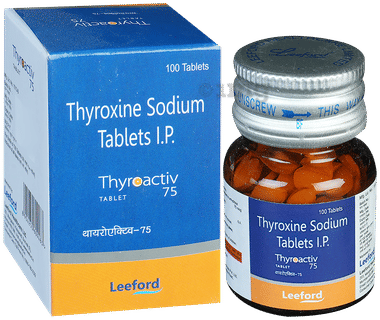
Thyroxine
Written By Dr. Swati MishraLast updated 25 Nov 2025 | 09:34 AM (UTC)
Thyroxine Uses
Thyroxine is used in the treatment of hypothyroidism.
Available generics for Thyroxine
Order with generics and save upto 50%
Show more

How Thyroxine works
Thyroxine is a synthetic version of a hormone produced by the thyroid gland. It works by replacing the thyroid hormones that your thyroid gland cannot produce and relieves the symptoms of hypothyroidism (tiredness, weight gain, and depression).
Common side effects of Thyroxine
Electrolyte imbalance, Dizziness, Fatigue, Muscle cramp, Headache

Get medicines for Thyroxine

Want to Know More
Read Our Editorial PolicyMedicine brands for Thyroxine
THYronorm
Abbott
₹28 to ₹278
20 variant(s)
Eltroxin
Glaxo SmithKline Pharmaceuticals Ltd
₹105 to ₹189
10 variant(s)
Thyrox
Macleods Pharmaceuticals Pvt Ltd
₹32 to ₹358
15 variant(s)
Thyrofit
Eris Lifesciences Ltd
₹34 to ₹161
11 variant(s)
Euthyroid
Akumentis Healthcare Ltd
₹60 to ₹121
3 variant(s)
Thyrorich
Primus Remedies Pvt Ltd
₹108 to ₹178
9 variant(s)
LETHYrox
Intas Pharmaceuticals Ltd
₹23 to ₹214
17 variant(s)
Thyroup
Lupin Ltd
₹111 to ₹216
10 variant(s)
Thyromed
Comed Chemicals Ltd
₹124 to ₹155
3 variant(s)
Expert advice for Thyroxine
- Thyroxine should be taken on an empty stomach (ideally, first thing in the morning). No food, milk, or tea should be taken 1 hour before and 2 hours after taking this medicine.
- It may take 6 to 8 weeks to get the full effect.
- For most people, Thyroxine can be a lifelong medication. Do not discontinue it without discussing your doctor.
- Inform your doctor if you have diarrhea, nervousness, irritability, sleep disturbances, shaking hands, or chest pain. Your doctor may adjust your dose.
- Leave a gap of at least 4 hours before taking any antacids, calcium or iron supplements, and multivitamins, as these may interfere with the effect of the medicine.
- Get your hormone levels checked regularly and inform your doctor if you notice a significant change in your body weight. The dose may need to be adjusted.
- Inform your doctor before changing the brand of Thyroxine as all brands may not have the same effect.
Frequently asked questions for Thyroxine
An overdose of this medicine may cause nervousness, anxiety, rapid heartbeat, hand tremors, excessive sweating, weight loss, and sleep problems. You should immediately consult your doctor in case of an overdose.
You should take Thyroxine as long as your doctor has recommended. Usually, it is prescribed for the long term and you may have to take it lifelong. Do not stop taking the medicine, as your symptoms of low levels of thyroid hormone may reoccur.
Take Thyroxine exactly as advised by your doctor. Thyroxine should be taken orally preferably before breakfast or as a first meal of the day. It should be swallowed whole with plenty of water.
Thyroxine may raise blood sugar levels and may affect the working of other anti-diabetic medicines which you might be taking. Hence, dose adjustment may be required. Consult your doctor who will help you with dose management.
Oral birth control pills, which contain both estrogen and progesterone may reduce the amount of Thyroxine in your body and therefore the dose of Thyroxine may have to be increased.
The side effects of Thyroxine are mostly seen when it is taken at high doses. These symptoms include allergic reaction, headache, vomiting, flushing, high temperature, sweating, weight loss, tremor, restlessness, and excitability. It may also cause difficulty in sleeping (insomnia), increased pressure around the brain in children (benign intracranial hypertension), chest pain (angina), pounding, irregular or fast heartbeat, diarrhea, muscle cramps, and muscle weakness. The other side effects related to Thyroxine include deformity of the skull in infants caused by the early closure of joints in the skull bone (craniostenosis), growth in children may slow or stop due to changes in bone growth, irregular periods, intolerance to heat, and temporary hair loss in children.
Thyroxine hormone controls how much energy your body uses. It plays an important role in regulating your body weight, muscle strength, body temperature, and even your mood. Along with that, it is important for your digestion, heart muscles, brain development, and bone health.