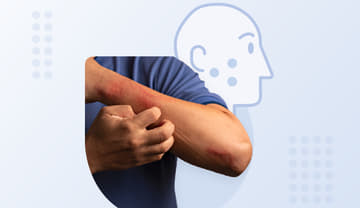
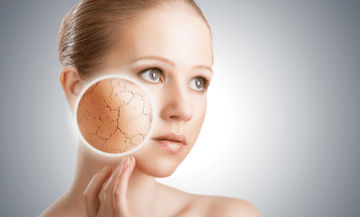
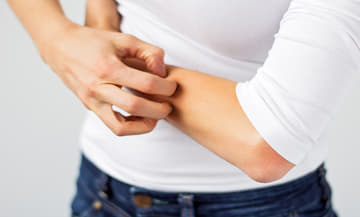
Eczema is a common chronic skin condition characterized by dry, intensely itchy, and inflamed patches of skin. It originates from the Greek word ‘ekzein’ which means to ‘boil over’ or ‘break out’. Although there are several types of eczema, the term usually refers to the most prevalent form, called ‘atopic dermatitis’.
Atopic dermatitis results from a complex interplay between environmental and genetic factors. The word "atopic" in atopic dermatitis indicates an association with allergies. Though the condition is not always directly caused by an allergic reaction, it is commonly associated with other allergic conditions like asthma and hay fever.
The condition begins as lesions that are intensely red, bumpy patches or plaques that may ooze fluid when scratched. In chronic eczema, scratching and rubbing create skin lesions that appear scaly, dry, thicker, darker and scarred. While eczema is not contagious, the secondary skin infections associated with the condition may be.
Eczema can be lifelong and patients often cycle through long periods of symptom-free remission, followed by brief flare-ups that can be severe. However, symptoms can be prevented and managed with home care and remedies by keeping the skin healthy and moisturized. Exacerbation of eczema requires treatment in the form of corticosteroid creams. In addition to topical treatment, severe acute or chronic eczema often requires systemic immunosuppressant drugs or phototherapy.
Overview
Key Facts
Causes
Symptoms
Risk factors
Diagnosis
Prevention
Specialist to visit
Treatment
Home-care
Complications
Alternatives therapies
Living with
FAQs
Key Facts
Usually seen in
All age groups but more common in children
Gender affected
Both men and women
Body part(s) involved
Skin
Hands
Inner elbows
Neck
Ankles
Feet
Eyes
Prevalence
Worldwide: 15-20% in children and 1-3% in adults (2015)
The exact cause of eczema is not fully known. However, there are a few theories or hypotheses regarding the underlying causes of eczema. These are not thought to be mutually exclusive and may complement each other to cause eczema.
1. Defects in skin barrier
The cells that make up our skin are vital for optimal skin hydration. People with eczema tend to have dry skin due to a defect in their skin barrier.
A strong association has been found between eczema and genetic change or mutation in the filaggrin gene (FLG). It is a vital gene which is responsible for creating the tough cells that make the outermost protective layer of the skin. In a patient with normal skin cells, these cells are tightly packed in an organized manner. With gene defects, less filaggrin is produced, leading to a haphazard organization of these skin cells.
This dysfunction causes a 'leaky' skin barrier. Water can easily escape from this leaky skin leading to dryness and dehydration. Harmful substances or allergens can more readily penetrate the skin leading to infections.
2. Impaired defense mechanisms
People with eczema have also been found to have decreased numbers of beta-defensins in the skin. Beta-defensins are proteins that are important for fighting off certain bacteria, viruses, and fungi. A decrease in Beta-defensins leads to increased susceptibility to skin infections.
3. Immunological causes
The immune system develops in the first six months of life. There is usually an equilibrium between the two main types of T helper lymphocytes (a type of white blood cells) namely Th-1 and Th-2. In eczema, this balance is disrupted with excess Th-2 cells and their associated chemical messengers (cytokines).
In some kids, high levels of the immunoglobulin E (IgE) antibodies and eosinophils (the white blood cells associated with allergy) are also found.
In rare cases, a single mutation in CARD11, a gene involved in the development and function of certain immune system cells, can cause eczema.
Symptoms Of Eczema
The skin of people with eczema does not retain moisture well and loses its protective properties. When this occurs, various symptoms can develop according to the phase of the disease.
In the acute phase, lesions are intensely red, bumpy patches or plaques that may ooze fluid when scratched.
In the chronic phase, scratching and rubbing create skin lesions that appear scaly, dry, thicker, darker, scarred or lichenified. Cracking of the skin or fissures can also occur.
Other common symptoms associated with eczema are:
Intense itching
Swollen skin
Dry skin (xerosis)
Skin color changes
Pus discharge due to secondary infection
Rash
Hives
Increased lines on the palms of the hands and feet
Dry, pale patches on the face and upper arms
Small bumps on the upper arms and thighs
Double skinfold underneath the inferior eyelid (Dennie-Morgan fold)
Note: Distribution of lesions is age specific.
Infants younger than 1 year old usually have the eczema rash on their cheeks, forehead, eyelids or scalp. It may spread to the knees, elbows, and trunk (but not usually the diaper area).
Older children and adults usually get the rash in the flexural surfaces or bends of the elbows, behind the knees, on the neck, or on the inner wrists and ankles.
Risk Factors For Eczema
Eczema results from a complex interplay between environmental and genetic factors.
Genetics
If a parent has atopic eczema, then the child could develop it, too. And, if both the parents have it, then there is a greater risk. Apart from this, if there is a family history of allergies, asthma or hay fever, then, too, there is a greater risk of the child developing eczema.
Personal history
Individuals with a personal history of allergies, hay fever or asthma have more chances of suffering from eczema.
Eczema, asthma, and hay fever are known as "atopic" conditions. These affect people who are overly sensitive to allergens in the environment.
Environmental factors
The irritants in our environment that can trigger eczema include:
Surprisingly, stress could also be one of the causes of eczema. Likewise, eczema causes excess stress. Mental, emotional, and physical stress that may trigger eczema are:
Here's everything you need to understand about stress and its effects on your body. Studies suggest some more risk factors for developing eczema. These are:
Food allergies such as allergy to cow’s milk, hen’s eggs, and peanuts
Being sensitized to food in infancy
Cold climate
Exposure to secondhand smoke
Excess weight at birth
Treatment with antibiotics in infancy
Exposure to hard water in infancy
Birth through cesarean section
Diagnosis Of Eczema
An accurate diagnosis requires a physical examination of the entire skin surface along with a detailed medical and family history. If any family members have atopic conditions, it is an important clue. No specific investigations are required to diagnose eczema. However, when there is a doubt or to confirm diagnosis, the following tests can be performed.
1. Patch test
A patch test is carried out to detect allergens. This helps your doctor to plan the right treatment for the allergies. They will also create a plan of action to tackle the dryness and itchiness of the skin and bring your symptoms under control. Patch test is essential particularly if the dermatitis becomes resistant to treatment.
2. Blood tests
Blood tests might be performed to check for causes of rashes that may be unrelated to dermatitis.
3. Skin biopsy
Skin biopsy can be done to distinguish one type of dermatitis from the other.
Read more about allergies and ways to tackle them.
Prevention Of Eczema
Eczema is a skin condition that develops as a result of an overactive immune system, a family history, or allergens and irritants in our environment. It has no permanent cure nor it can be prevented. However, we can definitely prevent the flares if we are aware of the triggers. Some of the triggers and tips to prevent it includes:
Dry skin is the most common symptom of eczema. Weather changes, harsh soaps and hot water can all cause our skin to dry. So, the best way to ensure soft skin is to look after our skin health. Here are a few tips to prevent dry skin.
Apply body lotion, moisturizer or emollient, or cold-pressed coconut oil after a shower to lock in the moisture. Moisturize at bedtime, too. Ceramide containing creams are particularly useful.
Place a humidifier in your bedroom during winters to moisten the air and ensure a good night’s sleep.
Avoid long, hot water showers during winters as the skin is sensitive to temperature changes. Allow the body to warm up before a shower. Add a few drops of body oils to your bath.
Avoid using harsh soaps, body washes, and shampoos. Avoid using cosmetics, perfumes, or toiletries that are loaded with chemicals and can trigger a skin infection.
Read about how to choose a good moisturizer for your skin.
2. Irritants and allergens
The everyday products we use contain irritants that trigger rashes on our skin. The foods that we eat cause flare-ups, too. Here are some of the common products and food items that trigger a flare-up. You can find ways to replace them with products that are gentle on the skin and foods that provide the necessary nutrients without disturbing the immune system.
Some of the common products that contain irritants include:
Detergents
Handwashes
Baby wipes
Fragrances
Glues and adhesives
Skincare products
Wools and polyester fabrics
Foods that may cause allergies are:
Milk
Eggs
Nuts
Gluten (wheat)
Spices
Citrus fruits
Tomatoes
Allergens are also hidden in unexpected places such as pet dander, dust mites, cockroaches, pollen, and mold. Avoiding these may prevent skin allergies leading to eczema.
Our mental health and well-being affect our physical health and lifestyle. Stress and worry cause a flare-up and skin infections can cause stress and anxiety. Finding ways to get out of this vicious circle will help you manage the triggers and prevent eczema flare-ups.
Sufficient sleep, a gentle workout that does not cause sweating, and meditation will help you stay calm and deal with the triggers. You could ask your doctor for therapists who will help ease your tension.
Specialist To Visit
Paying close attention to allergies and staying alert to avoid the triggers is essential. Finding the right doctors and health care practitioners who will guide you and plan an appropriate treatment will give you comfort. The specialists who will help you in your fight against eczema are:
Dermatologists
Allergists
Family doctors or general physicians
Pediatricians
Eczema symptoms are sometimes mild and at other times, severe. So, please contact your doctor when:
You experience excessive itching and dryness
Your symptoms affect your productivity and sleep
Over-the-counter medications do not bring any relief and the skin infection worsens
Fever follows the symptoms
If you are having any such symptoms, seek advice from our professionals.
Treatment Of Eczema
Eczema is a skin condition where patches on the skin become dry, itchy, and inflamed. It does not have a diagnostic test. However, its symptoms can be treated if you are well aware of the triggers that cause flares.
Here are some of the medications that are prescribed by doctors for the treatment of the symptoms of eczema.
A. Medical management
1. Corticosteroid creams and lotions: Corticosteroids are anti-inflammatory medicines that give relief from inflammation and itchiness. Some may require prescriptions. Most commonly used corticosteroids are:
3. Barrier repair moisturizers: Barrier repair moisturizers repair the skin by reducing water loss. These are moisturizers that repair the natural moisture barriers of the skin and enable faster healing and hydration of the skin.
4. Antihistamines: They are medicines used to treat allergic skin reactions, hay fever, and allergic conditions. These cause drowsiness and hence reduce nighttime scratching to ensure a goodnight’s sleep.
5. Antibiotics: These are prescribed for bacterial infections that might develop along with eczema. These include:
6. Other medications: Ciclosporin is prescribed if topical treatments aren’t reducing the symptoms. These medications should be taken as per doctor’s prescriptions and for a short period.
B. Injected biologic drugs
These drugs work by blocking the proteins in the immune system. This calms the immune system and results in less severe inflammation and fewer symptoms. These include:
This therapy is used for eczema that is spread all over the body. In this therapy, the skin is exposed to UVA and UVB waves to treat moderate dermatitis. It needs a month or two of steady treatment to notice any improvement in the symptoms.
Home-care For Eczema
Changing your lifestyle and eliminating products and food items that trigger flare-ups are the two most important things you can do to take care of your health. It is easier to prevent flare-ups but difficult to cure them permanently. So, making a gradual change instead of a quick transition will help you eventually. Here are some changes you can make at home to help prevent skin rashes or skin infections.
Moisturize every day: Choose gentle body lotions and moisturizers or emollients to moisturize the skin. Ceramide containing creams are more effective in management of eczema.
Add household bleach to your bath water: This helps kill the bacteria that cause the infections in eczema. It will also ease the inflammation and the itching. Add half a cup of bleach to a tub of water and soak in it for 10 minutes. Rinse well.
Be gentle while drying the skin: Dab dry with the towel to wipe away the moisture. Do not scrub.
Use mild soaps and body wash: Eliminate all the harsh soaps, shampoos, and body wash and replace them with products that are gentle on the skin and prevent it from drying.
Try cool compress: Apply a cool compress to ease the itching. A clean, damp cloth will give you relief from the itching. Avoid scratching.
Say no to hot water showers: Switch to lukewarm showers during winters. Have shorter baths and pat dry the skin. Moisturize after the shower.
Use cold-pressed coconut oil: Coconut oil is antibacterial and anti-inflammatory. It helps soften dry skin and heals bacterial infections of the skin.
Try vitamin supplements: Enquire about vitamin supplements such as fish oil capsules, Vitamin D, Vitamin E, zinc, selenium, probiotics, and turmeric supplements. These might be beneficial in dealing with skin infections.
Avoid fabrics that irritate the skin: Switch to cotton, silk, and linen clothes. These are skin-friendly fabrics and will not cause any skin allergies.
Avoid high-intensity workouts: Try a gentle exercise regimen that will prevent sweating and skin rashes.
Massage your body: A body massage with the right oils or lotions will make you feel better. Look for a masseur who is experienced in giving body massages to patients with eczema.
Manage mental stress: Try gentle yoga exercises and meditation for relief from stress and anxiety. Flare-ups can trigger anxiety which is not good for health.
Eczema can be caused by a variety of reasons and severe cases need help from a dermatologist. Read about home remedies to manage eczema in mild cases.
Complications Of Eczema
The main reason behind the several complications of eczema is itching. The skin gets damaged by the incessant scratching due to itchiness. This results in various infections that can worsen the condition.
Cellulitis
It is a bacterial infection where the bacteria infects the deeper layers of the skin. The skin is red, swollen, and very painful. It spreads rapidly and affects the lower legs, face, arms, and other areas. The bacteria enter the skin through a crack and spread infection. The swelling is followed by pain, blisters, and fever. If left untreated, it can be life-threatening.
Eczema herpeticum
This viral infection is caused by the virus that causes herpes. The symptoms are painful blisters, fever, and swollen lymph nodes.
Molluscum contagiosum
This infection is caused by a poxvirus. It causes white wounds on the skin that itch and swell. Curettage (cutting it) or cryotherapy (freezing it) are some of the ways of treating this viral infection.
Neurodermatitis
Itching and scratching of the skin because of eczema causes this infection. Continuous scratching causes the skin to become thick and dry. It can happen on the ankles, neck, hands, elbows, feet, shoulders, wrists, and scalp. Steroids are prescribed for its treatment along with medicines to help you sleep better and prevent scratching.
Scars
The constant itching and scratching because of the infection leads to scarring of the skin. Once dry, the scars fade away with time.
Seborrheic dermatitis
It is a type of eczema that affects the scalp. It is caused by a fungus called Malassezia yeast that is found on the surface of the skin. It causes severe dandruff, itching, and hair loss due to damaged hair follicles. It affects the forehead, nose, armpits, chest, and groin.
Sleeplessness
Eczema severely affects a person’s sleep. The itchiness seems worse at night and leads to scratching and discomfort. Staying away from the triggers and getting treated for the itching can help in better sleep.
Eczema increases stress and anxiety because of skin rashes and itching. Likewise, stress and depression can trigger flare-ups. A support group and therapy will help you relax and find ways to tackle the flare-ups.
Alternative Therpaies For Eczema
The most important part of managing eczema is understanding the triggers and making necessary changes that will help you manage your condition better. It is advised to consult your doctor before starting any alternative treatments for eczema. Some of them include:
Supplements
Supplements fulfill the body’s requirements of essential nutrients, strengthen the immune system, and reduce inflammation in patients. However, please inquire with your doctor before starting any of the supplements.
This ancient medical science uses various methods to achieve a balance between the mind and the body to heal an illness. It uses herbs, dietary changes, oils, body massages, meditation, and yoga to help purify the body from within.
But please consult with your doctor before starting an ayurvedic treatment. Even various herbs such as tannins, pansy flowers, fenugreek seeds, and alsi (flaxseeds) may also help treat dermatitis.
Mindfulness and meditation
Stress increases inflammation in the body and is known to trigger eczema flare-ups. Learning meditation will help you focus on the present and attain a state of calmness to bring down stress levels.
Yoga
Yoga is a wonderful way to practice mindfulness, and improve your breathing and flexibility. Yoga improves not just physical wellbeing but emotional and mental well-being too. The gentle exercises in yoga do not exert and cause excess sweating that could trigger skin irritation. It helps reduce stress and, therefore, inflammation that causes physical discomfort.
Some of the yoga asanas for a healthy skin are:
Uttanasana
Trikonasana
Bhujangasana
Janu sirsasana
Viparita karani
Acupressure
Acupressure uses physical pressure on certain points on the body to unlock life energy. There are limited studies that prove if acupressure can bring relief from the symptoms of eczema, but just like body massage, it might help calm the mind and relieve mental stress.
Traditional chinese medicine
It incorporates acupuncture, body massage, mind-body practices, and traditional Chinese herbs to help the vital force called Qi regain balance to heal an illness.
Gamma-linoleic acid
Gamma linolenic acid is a fatty substance used for managing symptoms of eczema. It is found in various plant seed oils such as borage oil and evening primrose oil.
Omega-3 fatty acids
A study demonstrated that dietary intake of omega-3 fatty acids may have a therapeutic effect on the symptoms of eczema as they help reduce the inflammation associated with eczema.
Probiotics and prebiotics
Probiotics are live microbial food supplements. Prebiotics are indigestible carbohydrates that stimulate the growth of probiotic bacteria in the intestine. They are thought to be effective in reducing the incidence of eczema. However, further studies are required to prove their effectiveness in doing so.
Living With Eczema
Living with an illness is never easy. However, a positive mindset, mindfulness, and strategies to deal with its symptoms will help you immensely. Itchy skin is the worst part of eczema and scratching an itch is prohibited. So, how do we deal with such a problem? Here are a few tips for easy living with eczema.
1. Know your triggers
Be aware of the triggers and foods that your are allergic and the products that irritate your skin. Being aware of the allergens and the irritants will help you make changes in your lifestyle and your everyday habits that will help in keeping the discomfort under control. Avoid direct sunlight and any exercise that causes sweating. Protect yourself from sun, heat, sweat, and sudden changes in temperature that can dry the skin.
2. Start an exercise routine
Pick an exercise routine that suits you. Make sure it doesn’t exert you and makes you break into a sweat. Try something gentle like yoga or Tai chi. The benefits of exercising are multiple. Not only does it improve your physical health, but also your mental and emotional wellbeing. It helps you stay mindful, focus on breathing, and calm your mind. Exercising also helps you develop a positive attitude that is so necessary for everyday life.
3. Moisturize
It is essential to keep the skin well moisturized to prevent it from itching and developing cracks that can lead to bacterial infection. Pick lotions and creams that are gentle on the skin and contain fewer chemicals. Opt for cold-pressed coconut oil. It is antibacterial, antiviral, and loaded with antioxidants that keep the skin soft and healthy.
4. Develop a hobby
Any creative activity, be it drawing, singing, cooking, reading, writing, or gardening, can help keep your mind occupied. Indulging in such activities keeps us busy and happy. It also keeps the hands busy and distracts the mind from the itching and the other discomforts related to eczema. It gives you a chance to spend time with yourself, doing an activity that you enjoy.
5. Communicate
Being open about your condition with family and friends is very important. It helps them be aware of your struggles and extend the help you may need sometimes. Also, communicate with your doctor regularly. Keep your doctor’s appointments so that they, too, are aware of your symptoms, flare-ups, and discomfort and will help make changes in the treatment.
6. Self-care
Self-care is critical when dealing with eczema. Find time for yourself, spend time with yourself, doing things you love. Make your health and wellbeing your priority. Look after yourself like you would look after your loved ones.
Avoid hot water during winters, if you have eczema
The changing weather and dry air of winters can cause eczema flare-ups. Hot water can be tempting during the cold season. However, a sudden change in temperature can lead to skin irritation. Read about 5 simple skin care tips for dry skin In winter.
1 mg Pro-tip: Never scratch an itch.
Scratching an itch worsens the condition and makes way for bacterial infections. Instead, apply a cold moisturizer, or a gel to soothe the itch and get relief. If you fear scratching while you sleep, try wearing cotton gloves and socks to bed. Or, request your doctor to prescribe antihistamine pills to control the itching. Read everything about itching from causes to management.
Use coconut oil to moisturize your skin.
Coconut oil is a natural remedy for eczema. It moisturizes the skin and soothes dry, itchy skin. Loaded with healthy fats, coconut oil contains anti-inflammatory and antibacterial properties and antioxidants that protect the skin. Learn more about the benefits of coconut oil.
Frequently Asked Questions
No. It is a chronic condition where the patient needs to be aware of the triggers that cause flares. Its symptoms such as itchiness, dryness, and rashes can be controlled with prescription medications and regular moisturizing.
Foods that trigger flares and cause allergies should be avoided in eczema. Foods such as peanuts, milk, eggs, gluten, tomatoes, and citrus fruits should be avoided. Foods rich in probiotics, omega 3 fatty acids, and anti-inflammatory properties should be included in the everyday diet to reduce inflammation.
Itchiness is the most common symptom of eczema. But, scratching an itch is best avoided. Applying moisturizing creams and lotions, cold-pressed coconut oil, anti-itch creams, and wet compress can soothe any itch and give relief. Take warm baths instead of hot water baths and pat dry the skin to prevent drying of the skin and itchiness. Moisturize immediately after a shower to lock in the moisture.
Yes, vaseline or petroleum jelly is good for sensitive skin. It has antifungal, antibacterial, and anti-inflammatory properties that heal the skin and reduce eczema symptoms. It moisturizes and soothes dry, itchy skin, reduces irritation and inflammation, and keeps the skin soft.
People suffering from eczema have very dry, itchy skin that can break into a rash very soon. It needs constant moisturizing and hydration. Therefore, drinking plenty of water will ensure the skin stays well-hydrated from within. This will reduce dryness and inflammation and prevent rashes.
Baking soda does not cure eczema. However, it can give relief from the constant itching. Add ¼ cup of baking soda to a tub of warm water. Soak in it for 15 minutes and then pat with a towel to dry the skin. Moisturize immediately afterward, or apply cold-pressed coconut oil. This will soothe the skin and reduce discomfort.
Chlorine in swimming pools may dry the skin. However, it may also reduce the bacteria on the skin, which could be helpful to swimmers with eczema. And, as bleach is good for eczema, the chlorine in swimming pools might be good, too. Applying a barrier cream will keep the skin safe. A quick shower with lukewarm water after a swim, followed by moisturizing will calm the skin and lock in the moisture.
Did our information help you?
In our relentless endeavour to keep improving our services, you are our eyes. Kindly take out sometime to guide us on how to serve your better.
Subscribe to stay informed
Subscribe to our carefully crafted informative emailers by Medical Experts and be the first to get the latest health news, tips and important updates.
Want to know more?We provide you with authentic, trustworthy and relevant information
Have issues with the content?
Disclaimer
Tata 1mg's sole intention is to ensure that its consumers get information that is expert-reviewed, accurate and trustworthy. However, the information contained herein should NOT be used as a substitute for the advice of a qualified physician. The information provided here is for informational purposes only. This may not cover all possible side effects, drug interactions or warnings or alerts. Please consult your doctor and discuss all your queries related to any disease or medicine. We intend to support, not replace, the doctor-patient relationship.