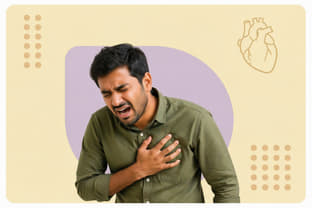
Cardiac arrest occurs when the heart suddenly stops pumping blood effectively. This usually happens due to a problem in the heart’s electrical system, which controls the heartbeat. When the rhythm becomes severely abnormal, the heart cannot circulate blood properly.
Although the issue begins in the heart, the whole body is affected. Without steady blood flow, the brain, lungs, and other organs do not receive enough oxygen. A person may suddenly collapse, lose consciousness, and stop breathing normally.
Your risk increases if you have existing heart disease, a history of heart attack, irregular heart rhythms, high blood pressure, diabetes, obesity, or if you smoke. A family history of heart problems can also raise your risk.
If a cardiac arrest occurs, immediate CPR (cardiopulmonary resuscitation) and urgent emergency medical care are critical to improve survival. An automated external defibrillator (AED) may be used to restore a normal heart rhythm, followed by further treatment to address the underlying cause and support long-term heart health.
Repeated dizziness or fainting, especially while exercising hard, sitting, or lying on your back
Fast, fluttering, or pounding heartbeat (palpitations)
Causes of Cardiac Arrest
Cardiac arrest starts with a problem in the heart’s electrical system, which controls the heartbeat. In a healthy heart, electrical signals follow a steady path that allows the heart to pump blood effectively.
During cardiac arrest, these signals become disorganized or stop. The heart may quiver or beat in a fast, irregular way and cannot pump blood properly.
As blood flow drops, oxygen does not reach the brain and other organs. The person quickly loses consciousness, and breathing stops or becomes abnormal. CPR (cardiopulmonary resuscitation) and a defibrillator help restore blood flow and a normal heart rhythm.
Note: Up to 50% of sudden cardiac arrests can happen without any earlier warning signs.
Understanding why this happens and recognizing possible risk clues can make a real difference. To learn the causes, warning signals, and ways to stay prepared.
Risk Factors for Cardiac Arrest
Several health conditions, lifestyle habits, and family history can increase the risk of cardiac arrest. These include:
1. Non-modifiable risk factors
Age and sex: Risk increases with age. Cardiac arrest is more common in men, though women’s risk rises after menopause.
Family history and genetics: Heart problems or sudden, unexplained deaths in close relatives may indicate a higher inherited risk.
Race and ethnicity: Certain groups, like Black people, have a higher risk due to a mix of health conditions and social factors.
Heart structure issues: Some people are born with heart defects, or the heart muscle can change over time. These problems can affect how well the heart pumps and keeps a steady beat, which can raise the risk of cardiac arrest.
2. Modifiable risk factors
Heart problems: Conditions like coronary artery disease, heart failure, valve issues, or cardiomyopathy (an enlarged heart) weaken the heart. A weaker heart is less able to pump blood efficiently, which can trigger cardiac arrest.
Irregular heartbeats (arrhythmias): Sometimes the heart’s electrical system misfires, making it beat too fast, too slow, or in an uneven way. This can stop the heart from pumping blood properly.
High blood pressure: Persistently high pressure in the arteries strains the heart and other organs. Often called a “silent killer,” it usually shows no symptoms without regular checks.
Keep your blood pressure under control to protect your heart.
High cholesterol: Excess “bad” cholesterol (LDL) can build up in arteries and reduce blood flow. Low “good” cholesterol (HDL) gives less protection, raising the risk of heart problems.
Get a lipid profile test done regularly to know your lipid status.
Diabetes: High blood sugar can damage blood vessels and the heart. People with diabetes have a higher risk of heart disease and cardiac arrest than those without.
Managing blood sugar isn’t just about diabetes — it’s about heart health too.
Obesity: Carrying extra weight increases the chance of high blood pressure, diabetes, and unhealthy cholesterol levels. These factors all strain the heart.
Struggling with weight management? Get personalised, doctor-led support with the Tata 1mg WeightWise Program.
Lifestyle factors: Extreme stress, smoking, heavy alcohol use, illicit drug use, very high caffeine intake, poor diet, and lack of exercise put extra stress on the heart.
Curious about your heart health? Wondering what tests can give you a clear picture of your heart? Check out this article to learn about essential heart health tests and what they reveal about your risk.
Diagnosis of Cardiac Arrest
After a cardiac arrest, doctors evaluate the underlying cause and assess heart function to help prevent recurrence.
1. Family history and physical examination
Doctors ask about a family history of heart disease, sudden cardiac death, or inherited rhythm disorders.
This helps identify genetic risk.
A physical exam checks blood pressure, pulse, heart sounds, breathing, and other signs of an underlying condition that may have caused the cardiac arrest.
This quick test records the heart’s electrical activity. It helps detect abnormal heart rhythms and signs of a previous heart attack.
3. Cardiac monitoring (Holter or event monitor)
A portable device worn for hours or days to track heart rhythm during daily activities. It helps find rhythm problems that may not appear during a short ECG.
The heart is monitored while you walk on a treadmill or receive medicine that makes the heart work harder. This helps see how the heart performs under stress.
Note: Stress testing is not typically done immediately post-arrest unless stable.
6. Cardiac catheterization (coronary angiography)
A thin tube is guided to the heart’s blood vessels to look for blockages. It helps doctors decide if procedures like stenting are needed.
7. Electrophysiology (EP) study
Special wires are passed into the heart to study its electrical system from the inside. This helps locate the source of rhythm problems.
8. Genetic testing
A blood test that looks for inherited gene changes linked to heart rhythm disorders. It may also help assess risk in family members.
9. Blood tests
Complete blood count (CBC): Checks red and white blood cells, platelets, and haemoglobin to assess overall blood health.
Urea and electrolytes (U&E) panel test: Evaluates kidney function and mineral balance, which helps keep the heart rhythm stable.
Troponin test: Detects heart muscle damage and helps diagnose a heart attack.
Stay on top of your health with Tata 1mg Labs! Get reliable, affordable, and hassle-free tests from the comfort of your home.
Prevention of Cardiac Arrest
Cardiac arrest can’t always be predicted or completely prevented, but you can lower your risk by following these habits:
1. Quit smoking and avoid tobacco
Smoking damages blood vessels and strains the heart. Stopping smoking improves heart health and lowers the chance of heart disease and rhythm problems.
Take the first step today, explore nicotine gums, patches, and other quit-smoking aids to support your journey.
2. Limit alcohol and avoid drugs
Heavy drinking and recreational drugs like cocaine or amphetamines can trigger dangerous heart rhythms.
3. Know your family history
If heart rhythm disorders run in your family, speak with your doctor. Genetic counseling or testing may help identify risk early.
Stress can elevate your blood pressure. De-stress yourself by indulging in hobbies or activities which you like. Try yoga or meditation or join a club or class for a company.
To know the ways to relax and regain balance, read this stress management guide.
8. Maintain healthy sleep habits
Poor sleep strains the heart. Treat sleep apnea and follow a consistent sleep routine.
Here are some simple habits that you can adopt to get a good night’s sleep.
Specialist to Visit
Cardiac arrest is a serious emergency that needs urgent treatment and proper follow-up. Along with a general physician, these specialists play a key role:
Cardiologist
Cardiac Surgeon
A cardiologist evaluates how well your heart is working. They find heart diseases or rhythm problems and treat them with medicines, lifestyle advice, and regular check-ups.
A cardiac surgeon performs heart surgery. They treat serious issues like blocked heart arteries, damaged valves, or other structural heart problems that cannot be managed with medicines alone.
When to see a doctor?
You should consider seeing a cardiologist if you notice any of these signs or risk factors:
Ongoing chest pain, pressure, or discomfort
Shortness of breath during rest or activity
Skipped beats, racing heart, or unusual heart rhythms
Don’t ignore warning signs or known heart conditions. Consulting the right specialist can help reduce future risk and protect your heart health.
Treatment of Cardiac Arrest
Cardiac arrest is a medical emergency, and management consists of:
1. Emergency treatment
Call for emergency help immediately: Dial emergency services immediately if a person collapses and isn’t breathing normally.
Start CPR (cardiopulmonary resuscitation): Push hard and fast in the center of the chest to keep blood flowing.
Here is a step-by-step guide to giving CPR correctly.
Use an AED (automated external defibrillator): This device checks heart rhythm and gives a shock if needed. AEDs are commonly found in places like airports, malls, offices, and stations. Follow the voice prompts until help arrives.
Continue CPR: Keep going until the person recovers or medical help takes over.
2. Hospital treatment after survival
Close monitoring of heart and organs: Doctors track heart rhythm, blood pressure, oxygen, and brain function.
Targeted temperature management (TTM): Body cooling may be used to protect the brain.
Oxygen therapy: Extra oxygen supports organ recovery.
Extracorporeal membrane oxygenation (ECMO- advanced life support): A machine may temporarily take over heart and lung function in severe cases.
Treating the root cause: Doctors address blocked arteries, heart rhythm problems, or other triggers.
3. Devices to prevent another cardiac arrest
Implantable cardioverter defibrillator (ICD): This small device is placed under the skin in the chest. It constantly monitors heart rhythm and gives a shock automatically if a dangerous rhythm is detected.
Subcutaneous implantable cardioverter defibrillator (S-ICD): Similar to an ICD but placed under the skin without wires inside the heart. It may be safer for some people, especially those at higher risk of infection.
Wearable cardioverter defibrillator (WCD): This is a vest-like device worn outside the body for temporary protection. It monitors the heart and can deliver a shock if needed while waiting for long-term treatment.
Take care of your heart with the right cardiac support products—just make sure to use them after your doctor’s advice so they match your heart’s needs.
3. Emergency medicines:
Vasopressors: These medicines tighten blood vessels to raise blood pressure during cardiac arrest. Examples: Adrenaline and Vasopressin
Antiarrhythmic drugs: These control dangerous irregular heartbeats that stop the heart from pumping properly. Examples:Amiodarone and Lidocaine
Electrolyte therapy: These are used when abnormal mineral levels in the blood are causing heart rhythm problems. Examples: Magnesium sulfate
Calcium treatment (special situations): Given if cardiac arrest happens due to very high potassium, low calcium, or certain medicine overdoses. Example: Calcium chloride / Calcium gluconate
Fibrinolytic drugs (specific cause only): Used when cardiac arrest is caused by a large blood clot in the lungs or heart. They help dissolve the clot. Examples:Tenecteplase and Alteplase
Corticosteroids (adjunct in some settings): Not routinely given, but may be used under specialist care in certain severe shock situations after resuscitation to help support blood pressure. Examples:Hydrocortisone and Methylprednisolone
Trust your health with Tata 1mg – where quality meets reliability. Shop now for genuine medicines.
Home-care for Cardiac Arrest
One of the most important parts of recovery is everyday nutrition. A heart-healthy diet helps reduce strain on the heart, supports blood pressure and cholesterol control, and lowers the risk of future cardiac events.
Eat a heart-healthy diet
Choose meals rich in fruits and vegetables, low-fat dairy products, and lean proteins such as skinless chicken or fish. Include healthy fats like olive oil, walnuts, avocados, and fatty fish such as salmon or tuna to support heart health.
Limit foods high in saturated fat, trans fat, and cholesterol, as these can increase the risk of blocked arteries.
Reduce salt (sodium) intake, since too much salt can cause fluid retention, raise blood pressure, and put extra strain on the heart.
Cut back on added sugars, which helps keep blood sugar levels in check and lowers the risk of diabetes, an important factor in long-term heart health.
Here are some more things that you can do to keep your heart strong and healthy?
Complications of Cardiac Arrest
Cardiac arrest affects the entire body. Even when the heart is restarted, many organs may suffer damage due to a lack of oxygen and reduced blood flow. These complications can develop in the hours or days that follow.
Pneumonia (lung infection): Some people may develop lung infections after cardiac arrest. This makes breathing harder, slows recovery, and increases the risk of death.
Electrolyte imbalance: Salt and mineral levels in the blood may become abnormal. This can disturb heart rhythm and delay healing.
Gastrointestinal bleeding: Bleeding can occur in the stomach or intestines after cardiac arrest. It may cause weakness, low blood counts, and further complications.
Injuries from resuscitation (CPR-related injuries): Life-saving CPR can sometimes cause injuries such as cracked ribs. These are unintentional but may increase pain and recovery time.
Seizures: Seizures may occur due to brain injury from a lack of oxygen. They require urgent treatment and close monitoring.
Liver function problems: The liver may not work properly after cardiac arrest.
Sepsis (severe infection): Some people can develop serious bloodstream infections.
Acute kidney failure: The kidneys may suddenly stop functioning well. This leads to toxin buildup and is linked to poor recovery.
Acute respiratory distress syndrome (severe lung failure): Severe lung damage can cause dangerously low oxygen levels. This is a life-threatening complication with poor outcomes.
Severe neurologic injury: Lack of oxygen can cause serious brain damage. This may lead to coma or long-term disability.
Post-anoxic brain injury: Brain cells may continue to get injured even after the heart restarts. Symptoms can worsen over hours or days.
Poor neurologic recovery: Some people do not fully regain normal brain function. This can affect independence and long-term survival.
Cognitive and functional impairment: Survivors may have problems with memory, speech, focus, or daily activities like walking and self-care.
Living with Cardiac Arrest
Surviving a cardiac arrest is a major milestone. There are many things you can do every day and over time to protect your heart, support your recovery, and feel better.
1. Stay physically active
Supervised moderate exercise is an integral part of a healthy heart regimen.
It also helps in maintaining a healthy weight, as obesity is a known factor that worsens heart failure.
You can consult your doctor on which exercise to do in case you are at risk of heart failure.
Check out these easy, heart-healthy exercises you can start today.
2. Track symptoms and report changes
Notice how you’re feeling each day - things like shortness of breath, dizziness, chest discomfort, or palpitations.
Let your doctor know if symptoms start or get worse so your care plan can be adjusted.
3. Take medicines as prescribed
After a cardiac arrest, you may need medicines to protect your heart and manage other conditions.
Take every dose as your doctor tells you and mention all other medicines you use, including over-the-counter ones.
Monitor key health numbers
These simple checks can help you spot heart risks early. Heart-health screenings include:
Blood Pressure: Get it checked at every doctor visit and monitor it at home regularly, even if your readings are normal.
Check your BP at home.
Cholesterol: A cholesterol test every 4 to 6 years is okay if you're at low risk. If you have diabetes, high BP, or a family history, you may need it more often.
Weight: Your weight and BMI are usually checked during regular health checkups.
Blood Sugar: People with heart disease, including those after cardiac arrest, should be screened for diabetes.
- If diagnosed: HbA1c every 3 months until stable, then every 6 months - If normal but at risk: Test yearly or as advised - If low risk and normal: Every 3 years
6. Stay updated with recommended vaccinations
Staying up to date with vaccines like Flu, Pneumococcal, RSV, and Tdap/Td is an important part of heart care, just like eating well and staying active.
These vaccines help lower the risk of infections that can put extra stress on your heart.
Stay protected at every age. Book your adult vaccination today with Tata 1mg and safeguard your health for the future.
Did you know?
Cardiac arrest is different from a heart attack. A heart attack is caused by a blocked blood vessel in the heart, while cardiac arrest is mainly an electrical problem affecting the heart rhythm. In some cases, a heart attack can lead to cardiac arrest.
Book a heart health package at the comfort of your home, with the trust of Tata 1mg.
Did you know?
Drinking too much alcohol can raise your blood pressure and put extra strain on your heart. Men should limit themselves to no more than 2 drinks a day, and women to no more than 1 drink a day.
Frequently Asked Questions
Yes. In many people, cardiac arrest is the first sign of underlying heart disease. Silent artery blockages or hidden rhythm problems can exist without warning signs.
Yes. Untreated obstructive sleep apnea can strain the heart, lower oxygen levels during sleep, and increase the risk of rhythm disturbances linked to cardiac arrest.
Light to moderate activities like walking, cycling, or supervised cardiac rehab exercises are usually safe. Always follow your doctor’s plan and avoid sudden, intense workouts.
Severe dehydration can disturb electrolyte balance, which plays a key role in controlling the heart’s electrical activity.
Yes, if CPR and defibrillation are given within the first few minutes. Quick action helps maintain blood and oxygen flow to the brain, which is vital because brain injury can begin within 4–6 minutes without oxygen. That’s why starting CPR immediately is so important.
In our relentless endeavour to keep improving our services, you are our eyes. Kindly take out sometime to guide us on how to serve your better.
Subscribe to stay informed
Subscribe to our carefully crafted informative emailers by Medical Experts and be the first to get the latest health news, tips and important updates.
Want to know more?We provide you with authentic, trustworthy and relevant information
Have issues with the content?
Disclaimer
Tata 1mg's sole intention is to ensure that its consumers get information that is expert-reviewed, accurate and trustworthy. However, the information contained herein should NOT be used as a substitute for the advice of a qualified physician. The information provided here is for informational purposes only. This may not cover all possible side effects, drug interactions or warnings or alerts. Please consult your doctor and discuss all your queries related to any disease or medicine. We intend to support, not replace, the doctor-patient relationship.