Sign in to your account
or
By signing in you agree to our
Terms & conditions
 and 
Privacy policy

Iron

Written By Dr. Anuj SainiReviewed By Dr. Rajeev Sharma
Last updated 25 Nov 2025 | 09:34 AM (UTC)

Iron Uses

Iron is used in the treatment of iron deficiency anemia and anemia due to chronic kidney disease.

Available generics for Iron

Order with generics and save upto 50%
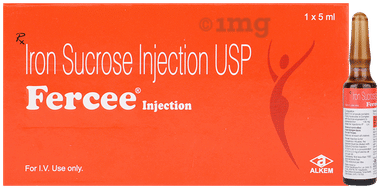
How Iron works

Iron is an anti-anemic medication. It replenishes the iron stores in your body. Iron is vital for the formation of new red blood cells and hemoglobin, a substance that gives these cells the ability to transport oxygen.

Common side effects of Iron

Vomiting, Nausea, Dark colored stool, Constipation, Diarrhea
prefix_icon
Get medicines for Iron
suffix_icon
Authenticity

Want to Know More

Read Our Editorial Policy

Expert advice for Iron

  • Your doctor has prescribed Iron to replenish your iron stores and improve symptoms of anemia.
  • It may take a few months to see any benefits of Iron. Keep taking it as prescribed.
  • Your stool colour may become black. This is normal and only indicates that iron is being absorbed well by your body.
  • When taken on an empty stomach, Iron is absorbed faster. However, you should take it with food if you experience side effects such as an upset stomach or nausea.
  • Avoid taking Iron with milk, coffee, antacids, or calcium supplements as they can reduce the amount of medicine absorbed.

Frequently asked questions for Iron

Iron is used to regulate hemoglobin levels in the human body. It is usually given to patients who have iron deficient anemia or iron deficiency. The doctor may suggest using this medicine till the hemoglobin level becomes normal. Do consult your doctor to understand the usage of this medicine properly.
Yes, Iron can be taken for iron deficiency anemia and iron deficiency. However, its use for other types of anemia is not recommended. Take Iron in the dose and duration advised by your doctor.
You can consume food items that are rich in iron content (like red meat, pork, poultry and seafood). Other food items which contain rich iron content include beans, dark green leafy vegetables (like spinach), peas, dried fruit (raisins and apricots), iron-fortified cereals, breads and pastas. You can also try iron supplements (tablets or capsules) available at pharmacy stores for iron deficient anemia.
Yes, iron and vitamin C/ Vitamin D/ multivitamin/ folic acid can be taken together. Taking vitamin C and iron together helps the body absorb the iron. However, it would be best to consult your doctor before using Iron with other medicines.
No, Iron may alter the absorption of zinc, if given together. Therefore, it is advisable not to take Iron with zinc.
Yes, you can take Tylenol (paracetamol) with iron. However, it is advised to always consult your doctor before taking any medicine to avoid any complexity.
Yes, Iron can increase weight. Exercise regularly and take a balanced diet that includes whole grains, fresh fruits, vegetables and fat-free products. You should consult your doctor if you need any further help to manage your weight.
Yes, Iron may cause constipation or acne. Constipation and acne are among some of the most common side effects of Iron. Please consult your doctor if any of these side effects bother you.