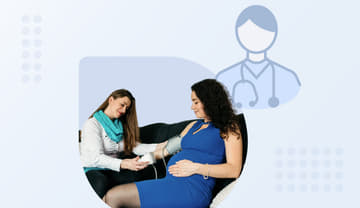
Earlier known as Toxemia of pregnancy, and Toxaemia
Overview
Pre-eclampsia is a pregnancy complication in which the mother develops high blood pressure (hypertension) and excessive protein in the urine (proteinuria). This condition typically develops after the 20th week of pregnancy.
Many women with pre-eclampsia do not have any symptoms. Some of the first signs of pre-eclampsia are high blood pressure, protein in the urine, and sudden swelling of the faces, hands and feet.
The exact cause of pre-eclampsia isn't fully understood, but it's thought to be associated with placental issues and risk factors like advanced maternal age, prior history of the condition, multiple pregnancies (e.g., twins), and certain health conditions.
For those at risk, steps like gaining a healthy amount of weight, managing blood pressure and blood sugar levels, along with low dose aspirin can help reduce the chances of pre-eclampsia during pregnancy.
The cure for pre-eclampsia is delivery of the baby. If the baby is not close to term, the mother will be monitored regularly. Bed rest at home or hospital will be advised depending on the severity of pre-eclampsia. Medications to manage hypertension, prevent seizures and promote the baby’s lung maturity will be administered.
Most women who develop pre-eclampsia deliver healthy babies and do not have any further complications. However, in some cases, complications can occur which can be potentially fatal to the mother or baby.
The best way to catch pre-eclampsia at the earliest is to monitor your BP regularly and inform your doctor about any significant variations. Explore our wide range of BP monitors to check your BP in the comfort of your home.
Causes Of Pre-eclampsia
Although the exact cause of pre-eclampsia is not known, it is believed to occur when there's a problem with the placenta, the specialized organ that develops inside the womb to give the baby the food and oxygen it needs to grow.
Compromised blood supply to the placenta in the case of pre-eclampsia, can lead to problems in the mother and the fetus. Many risk factors associated with the same are discussed in the next section.
Here’s your ultimate guide from prenatal to postnatal pregnancy care.
Risk Factors For Pre-eclampsia
The precise reason behind pre-eclampsia remains uncertain, but specific risk factors can elevate the chances of developing it. These include:
Prior placental abruption (where the placenta separates from the inner wall of the uterus before delivery)
Prior stillbirth
Prior fetal growth restriction
3. Rare risk factors
Family history of preeclampsia
Trisomy 13 (a genetic disorder which can lead to a range of physical and intellectual disabilities)
Gum diseases, urinary tract infections and helicobacter pylori infections.
Here are some important tips for a healthy pregnancy.
Diagnosis Of Pre-eclampsia
The diagnosis of preeclampsia is crucial as it may not present with any symptoms at first. It include's
1. Physical examination and medical history
Physical examination helps identify signs and symptoms of preeclampsia, such as high blood pressure (more than 140/90 mmHg), and swelling. Medical history is taken to assess risk factors, augment diagnosis and form treatment decisions.
This is done to check proteins in the urine. It can easily be tested for protein using a dipstick (it is a strip of paper that's been treated with chemicals so it reacts to protein, usually by changing color). If a concentration of protein is present in urine it is sent for further testing.
3. Blood tests
Placental growth factor (PIGF): This is a gold standard test in the prediction, diagnosis, and treatment of preeclampsia. It assesses the severity of the condition by measuring the levels of this specific protein in the blood.
Circulating soluble fms-like tyrosine kinase-1: This test measures the levels of this protein tyrosine kinase, which can be elevated in this condition.
Kidney Function tests (KFT): This test is done to assess the kidneys as preeclampsia can be due to kidney disease. Assessment is also done to check for any damage to the kidneys.
Liver Function tests (LFT): Liver abnormalities occur in 3% of pregnancies, and preeclampsia is the most frequent cause.
Blood platelet: Thrombocytopenia (a condition that occurs when the platelet count in the blood is too low) is the most common hematological abnormality observed in preeclampsia. This test is done to check whether blood clotting is taking place properly or not.
Booking your lab tests just got easier. Get all the tests done in the comfort and safety of your home.
4. Imaging tests
Fetal ultrasound: While it is not a direct method for diagnosing preeclampsia in the mother, it can provide valuable information about the baby's health and development.
Nonstress tests (NST): These tests involve monitoring the baby's heart rate in response to its own movements. They can help determine if the baby is under stress due to potential complications arising from the mother's condition.
Cardiotocography: It is a monitoring method that records the baby's heart rate and the mother's uterine contractions. In preeclampsia, CTG can be useful for assessing fetal well-being.
Get proper guidance and information during pregnancy.
Prevention Of Pre-eclampsia
Though preeclampsia cannot be prevented in all cases, some steps can be taken to reduce the risk of developing preeclampsia. These include:
Maintain blood sugar and blood pressure levels in the right range
During pregnancy, the target range for blood sugar levels is typically 60-99 mg/dL before meals and 100-129 mg/dL after meals. Blood pressure should ideally be around 120/80 mm Hg. However, specific targets may vary.
Here are a few expert tips to manage and monitor high glucose levels
Target a healthy weight gain during pregnancy
If you are already overweight, you can put on 7kg to 11.5kg of weight during pregnancy. If you are in the normal weight range, you can target 11.5kg to 15.8kg of weight gain.
Consume a healthy, wholesome and balanced diet
Focus on the quality of food that you consume. Make sure to get a nutrient dense diet rich in whole grains, nuts, legumes, fruit, vegetables, and dairy products. Limit the intake of salt, sugar caffeine, processed and packaged foods.
Here is your detailed guide to foods to eat and avoid during pregnancy
Get a good night's sleep
Lack of good quality sleep is associated with stress and a higher risk of pregnancy complications including preeclampsia.
Struggling to fall asleep? Read about some amazing tips that will help you sleep like a baby.
Engage in regular exercise
Mild physical exercises during pregnancy, including swimming, walking, yoga, and mild stretching, improves blood flow to tissues and organs and maintains cardiac health.
Note: It is important to evaluate risk v/s benefits of exercise for the prevention of preeclampsia with your doctor.
Manage stress efficiently
Several studies emphasize the role of stress in the development of preeclampsia. You can try practicing yoga, meditation, listening to soft music, spending time in nature, and deep breathing exercises to manage stress.
Medication
If you have one high-risk factor or more than one moderate-risk factor for preeclampsia, the use of low-dose aspirin is usually advised after 12 weeks of pregnancy. Consult your doctor before taking any medications to make sure it's safe for you and your baby.
Specialist To Visit
Specialists that can help you diagnose and treat preeclampsia include:
Obstetrician and gynecologist
Perinatologist
An obstetrician & gynecologist specializes in diagnosing and treating diseases of the female reproductive system along with delivering babies and providing medical care during pregnancy and after birth.
A perinatologist is an obstetrician who specializes in high-risk pregnancies.
Seek medical help from our trusted team of doctors.
Treatment Of Pre-eclampsia
The cure for preeclampsia is giving birth. The doctor will assess when to deliver based on how far is the mother due, and the severity of preeclampsia.
If the baby is close to full term (37 weeks pregnant or more), the doctor may advise to induce labor or do a cesarean section.
If the baby is not close to term, the mother will be monitored closely and regularly for the following :
Blood pressure
Level of protein in the urine
Blood check-ups- including liver or kidney function tests
Baby’s heart rate
Ultrasound scans to check blood flow through the placenta, growth of the baby, amount of amniotic fluid amongst other factors.
The idea is to prolong the pregnancy and allow the baby to grow and develop. The closer the birth is to the due date, the better it is for the baby.
The following will be advised to manage preeclampsia and its potential complications:
Bed rest, either at home or in the hospital, depending on the severity of preeclampsia. It is advised to sleep or lie down mostly on the left side.
Medications to lower blood pressure: Some examples include:
Medications to prevent eclampsia-related seizures:
I.V. Magnesium
Post-delivery management
Preeclampsia usually improves soon after the baby is born, but a few complications can sometimes develop a few days later.
The mother’s blood pressure should be monitored carefully and medicines should be administered carefully.
The baby that is born prematurely will be kept and monitored in the neonatal intensive care unit.
The mother should have her blood pressure checked regularly after leaving the hospital, and she may need to continue taking medicine to lower her blood pressure for several weeks.
Get all your medications from India’s largest online pharmacy.
Complications Of Pre-eclampsia
Many cases of pre-eclampsia do not pose serious problems and improve soon after the delivery of the baby. However, in some cases, if it is not diagnosed and treated timely, it can pose serious complications to both the mother and the baby.
Complications affecting the mother
HELLP syndrome: HELLP is an acronym that stands for
Hemolysis (premature red blood cell breakdown)
Elevated liver enzyme levels
Low platelets (cells involved in blood clotting)
Stroke: The blood supply to the brain can be disrupted as a result of high blood pressure leading to a stroke.
Fits (eclampsia): In rare cases, eclampsia, a type of seizures or coma fit might develop. During the fit, the mother's arms, legs, neck, or jaw will twitch involuntarily in repetitive movements.
Certain studies have shown that Calcium and Vitamin D supplementation can help prevent preeclampsia in some women.
Frequently Asked Questions
Yes. Stress leads to high blood pressure during pregnancy which can lead to preterm birth, and having a low-birthweight infant.
Yes, poor dietary choices can predispose high blood pressure. It is important to limit the consumption of salt, sugar, processed and packed foods.
While preeclampsia typically develops during pregnancy, it can occur in the postpartum period, often within 48 hours after childbirth. This condition is called postpartum preeclampsia, and requires medical attention.
Yes, a rare form of preeclampsia known as "normotensive preeclampsia" can occur without significant increases in blood pressure. This condition is characterized by other symptoms, such as proteinuria (high levels of protein in urine) and organ dysfunction.
Preeclampsia can impact the baby's health both during pregnancy and after birth. It may lead to preterm birth, low birth weight, and other complications. Regular pediatric check-ups are important for monitoring the baby's health.
In our relentless endeavour to keep improving our services, you are our eyes. Kindly take out sometime to guide us on how to serve your better.
Subscribe to stay informed
Subscribe to our carefully crafted informative emailers by Medical Experts and be the first to get the latest health news, tips and important updates.
Want to know more?We provide you with authentic, trustworthy and relevant information
Have issues with the content?
Disclaimer
Tata 1mg's sole intention is to ensure that its consumers get information that is expert-reviewed, accurate and trustworthy. However, the information contained herein should NOT be used as a substitute for the advice of a qualified physician. The information provided here is for informational purposes only. This may not cover all possible side effects, drug interactions or warnings or alerts. Please consult your doctor and discuss all your queries related to any disease or medicine. We intend to support, not replace, the doctor-patient relationship.