






Masha Soopa
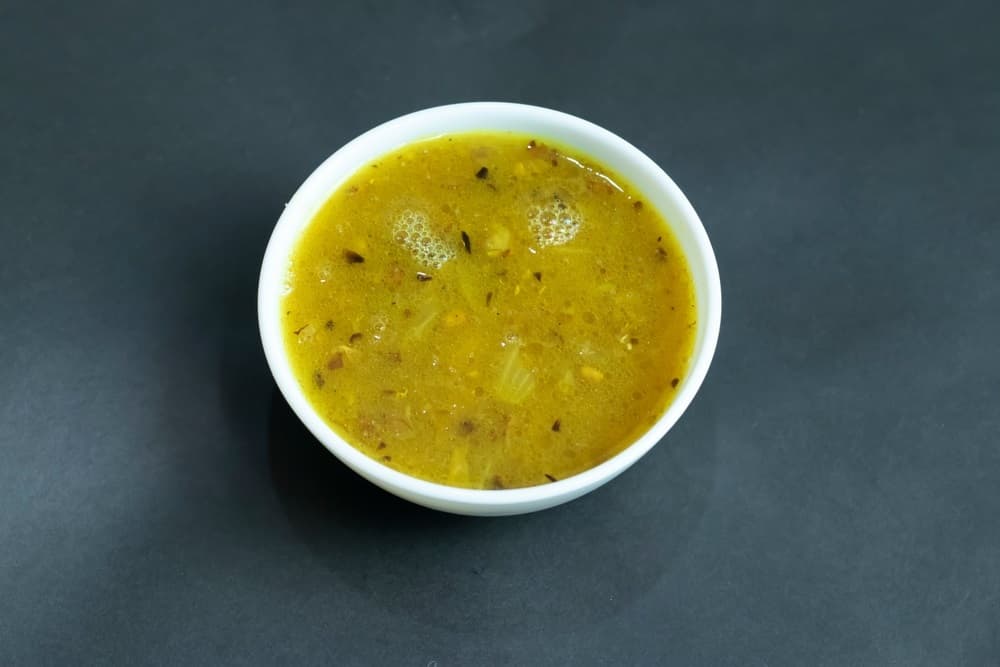
Masha Soopa or black gram soup, also known as urad dal soup, is widely prepared in South India. It is a traditional Ayurvedic drinkable formulation (Pana) prepared using Masha (black gram) in water with digestive additives such as Ardraka (ginger), Hingu (asafoetida), and Lavana (salt It is rich in essential nutrients, including protein, carbohydrates, fats, vitamins, and minerals. It is referenced in Ashtanga Samgraha, Bhojana Kutuhalam. Traditionally, Masha Soopa is known to help improve strength and support healthy bowel movements, and is best consumed fresh on the same day it is prepared.
What is Masha Soopa made of?
What are the synonyms of Masha Soopa?
Black gram soup, Urad Dal soup, Soup, Dal soup
What is the source of Masha Soopa?
Plant Based
Benefits of Masha Soopa
1. Constipation
Masha Soopa (Black Gram Soup) is classically described as “Bahu-Puriṣa Janana” (a formulation that increases the bulk of feces). The Guru (heavy), Snigdha (oily), and Brimhana (nourishing) qualities of Masha help counteract intestinal dryness caused by aggravated Vata dosha. Increasing stool volume and moisture supports smooth evacuation in individuals suffering from chronic constipation associated with dryness and weakness.
2. Underweight
Masha is considered Brimhana and Mamsa-Vardhaka, supporting nourishment of the body. When taken as a warm soup, Masha Soopa aids in gradual weight gain and strength restoration by improving nutrient assimilation. It is especially beneficial in individuals weakened due to chronic illness or inadequate nourishment, provided digestion is adequate.
3. General Weakness
Masha Soopa provides sustained energy and strength due to its nourishing and stabilizing properties. It supports Dhatu Poshana (tissue nourishment), especially mamsa dhatu, making it useful during recovery phases when strength needs to be rebuilt without excessive stimulation.
Masha Soopa (Black Gram Soup) is classically described as “Bahu-Puriṣa Janana” (a formulation that increases the bulk of feces). The Guru (heavy), Snigdha (oily), and Brimhana (nourishing) qualities of Masha help counteract intestinal dryness caused by aggravated Vata dosha. Increasing stool volume and moisture supports smooth evacuation in individuals suffering from chronic constipation associated with dryness and weakness.
2. Underweight
Masha is considered Brimhana and Mamsa-Vardhaka, supporting nourishment of the body. When taken as a warm soup, Masha Soopa aids in gradual weight gain and strength restoration by improving nutrient assimilation. It is especially beneficial in individuals weakened due to chronic illness or inadequate nourishment, provided digestion is adequate.
3. General Weakness
Masha Soopa provides sustained energy and strength due to its nourishing and stabilizing properties. It supports Dhatu Poshana (tissue nourishment), especially mamsa dhatu, making it useful during recovery phases when strength needs to be rebuilt without excessive stimulation.
Precautions when using Masha Soopa

AYURVEDIC VIEW
Not recommended in individuals with weak digestion (Manda Agni).
Recommended Dosage of Masha Soopa
- Masha Soopa Liquid - 1/2- 1 bowl once or twice a day or as directed by a health expert
How to use Masha Soopa
Masha Soopa 1/2 -1 bowl can be consumed directly as part of a meal.
Consume within a day of preparation for the best taste and nutritional value.
Consume within a day of preparation for the best taste and nutritional value.
Frequently asked questions
Q. Is Masha Soopa or Urad Dal Soup suitable for daily use?
AYURVEDIC VIEW
It can be taken for short durations, but is not advised for continuous long-term use due to its heavy nature.
Q. Can Urad Dal Soup be taken during digestive problems like diarrhea?
AYURVEDIC VIEW
It is better to avoid it during indigestion and diarrhea-like digestive problems, as excessive intake of urad dal soup may aggravate the symptoms of diarrhea.
Q. Is Masha Soopa or Urad Dal Soup suitable for elderly people?
AYURVEDIC VIEW
Yes, if digestion is strong and the quantity is kept moderate.
Q. Can Urad Dal Soup be consumed cold?
AYURVEDIC VIEW
No. It should always be taken warm for better digestion.
Q. Are there any side effects of Urad Dal?

MODERN SCIENCE VIEW
Urad dal is generally safe to eat and does not have any major known side effects. If you experience discomfort or unexpected symptoms after consuming it, it’s best to speak with a healthcare provider.
Q. How to make Urad Dal Soup at home?
AYURVEDIC VIEW
To make urad dal soup at home, start by washing the masha (black gram) thoroughly and soaking it for a few hours to help it cook faster and digest better. Then cook the soaked dal in fresh water until it becomes soft and well-cooked. Add a pinch of salt, freshly crushed ardraka (ginger), and a small pinch of hingu (asafoetida). Let it simmer for a few minutes so the flavors blend nicely. Strain or lightly mash the dal to get a smooth, warm, and nourishing soup that is easy on the stomach.
Q. Can Urad dal soup be consumed daily as a diet?
MODERN SCIENCE VIEW
Yes, it can be consumed daily as part of a balanced diet, as long as the portion is moderate. Urad dal is rich in protein and fibre, which supports digestion and blood sugar control, but having variety in dals is always better for overall nutrition.
Disclaimer
The content is purely informative and educational in nature and should not be construed as medical advice. Please use the content only in consultation with an appropriate certified medical or healthcare professional.
Author Details

M.Tech, B.Tech

BAMS

MBA, MBBS
Last updated 12 Jan 2026 | 01:16 PM (IST)

Introduction
Benefits
Precautions
Recommended dosage
How to use
FAQs
References