
Most people think about hair care in terms of shampoos, oils, and serums. What they don’t think about is flowers. And that’s too bad because some of the most effective hair-nourishing ingredients in the world come from plants that have been growing in Indian gardens and traditional medicine systems for hundreds of years.
These aren’t wellness trends. Several of them have clinical research behind them. Others have been validated through decades of Ayurvedic practice and are only now getting the scientific attention they deserve. All of them are accessible, natural, and genuinely useful for anyone dealing with hair fall, slow growth, scalp issues, or just dull, weak hair.
Here are six medicinal flowers worth knowing about.
1. Hibiscus
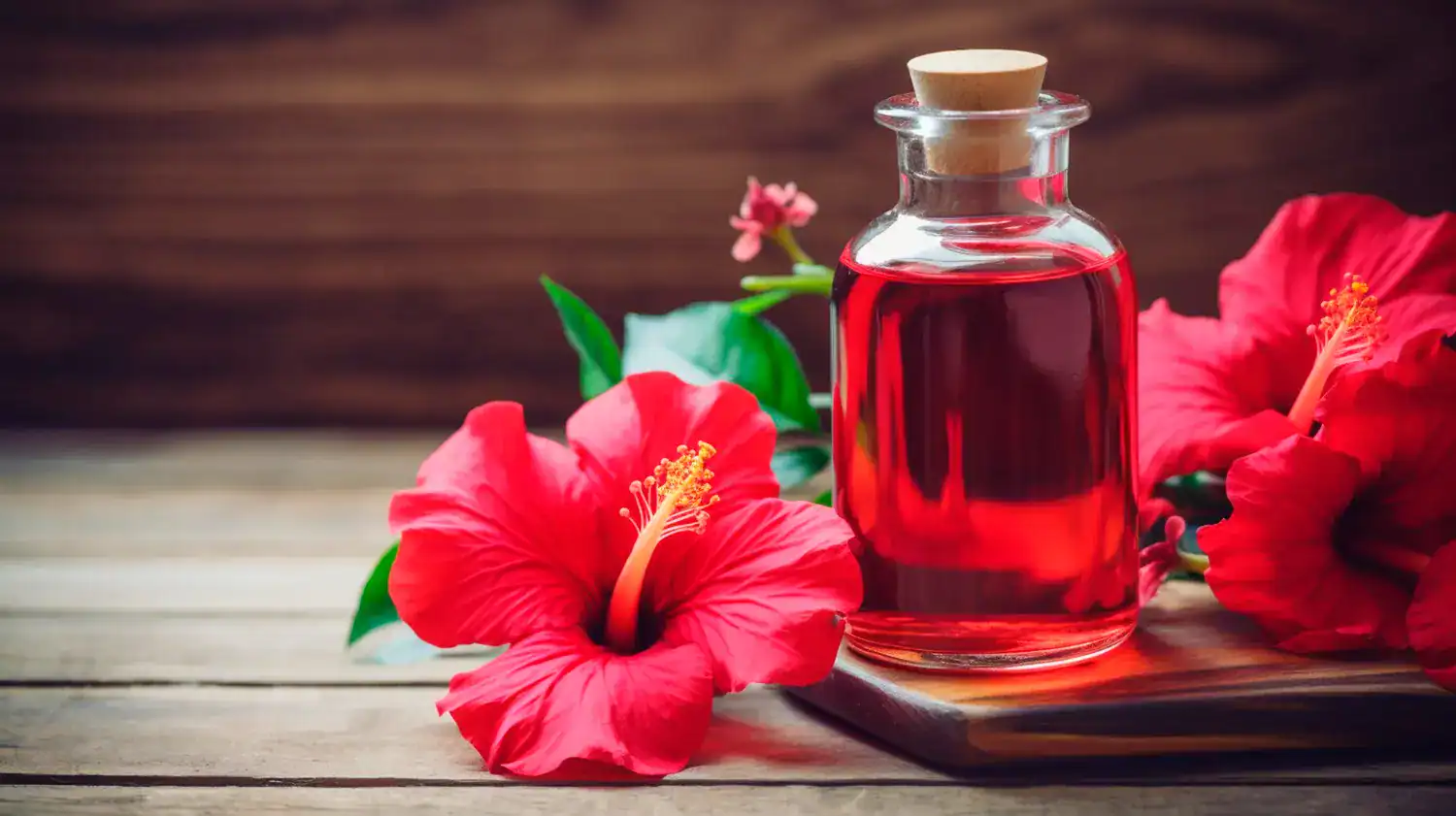
If there’s one flower that Indian hair care has always known about, it’s hibiscus. Your grandmother probably used it. There’s a reason it never went out of style.
Hibiscus rosa-sinensis, the bright red flowering shrub common across Indian homes, is one of the most well-researched plants for hair health. It contains amino acids, vitamin C, riboflavin, calcium, phosphorus, and iron. That combination works on multiple levels at once. The amino acids nourish the hair shaft and help rebuild weakened strands. Vitamin C boosts collagen production, which strengthens the hair follicle structure. The iron supports a healthy oxygen supply to the scalp, which is directly linked to how well your follicles function.
Research has shown that hibiscus flower extract stimulates hair follicles, increases follicle size, and promotes hair growth. It has also been demonstrated to delay premature greying and works as a natural UV-absorbing agent that protects the hair shaft from sun damage. [1]
The simplest way to use it is to grind fresh hibiscus flowers and leaves into a paste and apply it directly to your scalp and hair. Leave it on for thirty to forty-five minutes, then wash out with a mild shampoo. Do this once or twice a week. You can also find hibiscus-infused oils and hair masks if fresh flowers aren’t accessible.
2. Brahmi
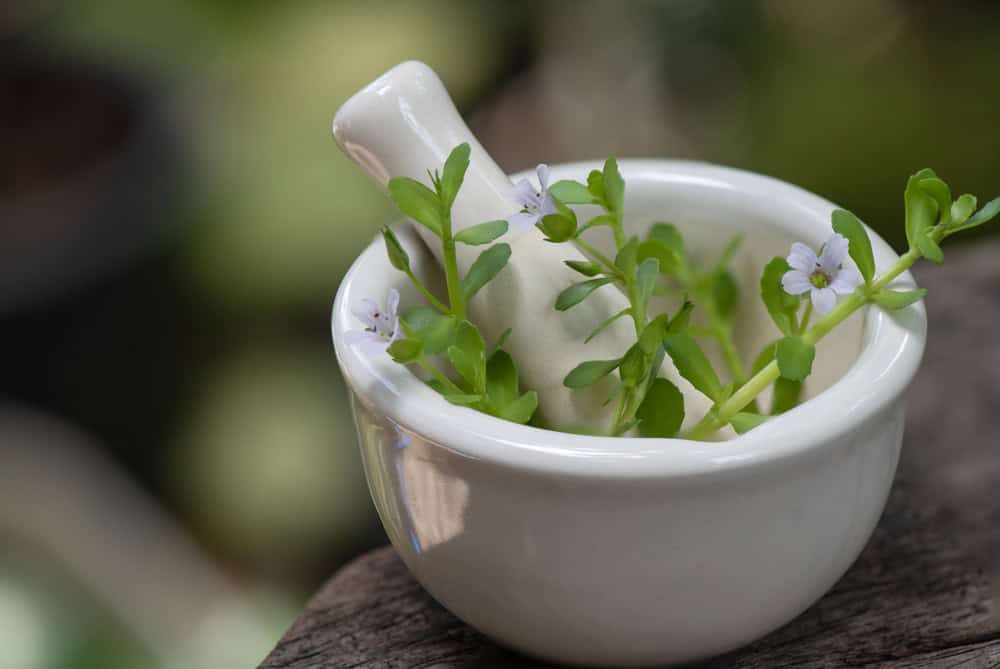
Brahmi is best known as a brain herb in Ayurveda, but its benefits for hair are just as significant and considerably less talked about. It’s a small creeping herb with delicate white flowers and a long history of use in traditional Indian medicine for both cognitive and hair health.
Brahmi contains alkaloids that activate proteins responsible for hair growth and strengthen the hair shaft from within. It also has strong anti-inflammatory properties that soothe an irritated scalp and create a better environment for hair follicles to function. A healthy scalp is the foundation of healthy hair, and brahmi addresses that directly. [2]
It’s particularly useful for people dealing with hair fall caused by stress. One of brahmi’s well-documented effects is its ability to lower cortisol levels. Since chronic stress is a significant driver of hair fall, using brahmi both topically and internally addresses the problem from two directions at once.
Apply brahmi oil to your scalp two to three times a week and leave it on for at least an hour before washing. Brahmi powder can also be mixed with water or yogurt to make a hair mask. Some people take it as a supplement too, which supports hair health from the inside alongside the topical application.
3. Lavender
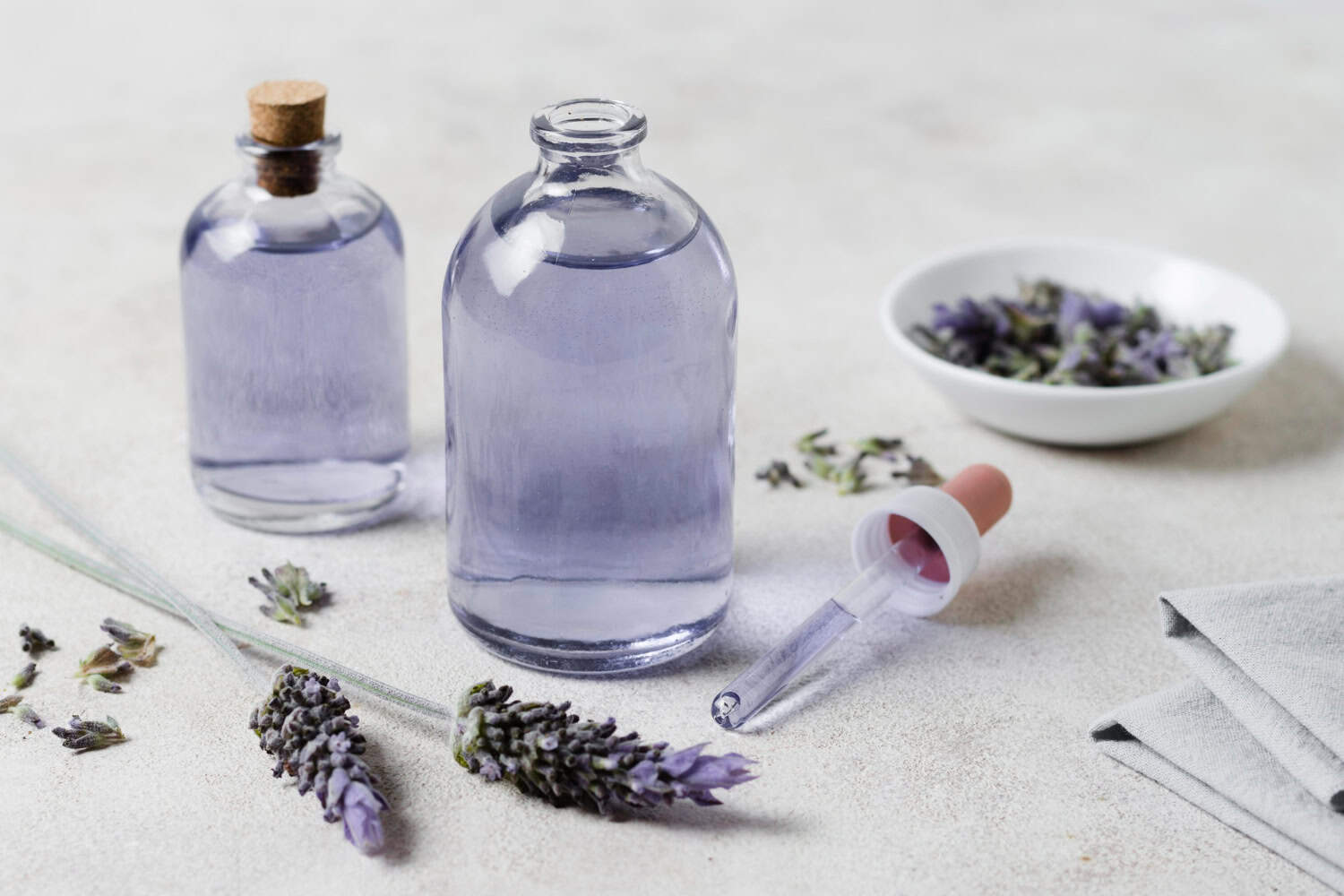
Lavender is widely associated with relaxation and fragrance, but it has a more specific role in hair health that goes well beyond its smell.
A study published in the journal Toxicological Research found that topical application of lavender oil significantly increased the number of hair follicles, deepened follicle depth, and thickened the dermal layer. The results were compared favourably to minoxidil, the most commonly used pharmaceutical treatment for hair loss. While more human trials are needed, the existing evidence is genuinely promising. [3]
Lavender has strong antimicrobial and anti-inflammatory properties that help manage scalp conditions like dandruff and seborrheic dermatitis. Both conditions disrupt the follicular environment and contribute to hair fall. By keeping the scalp clean and free from inflammation, lavender helps your hair grow in a healthier environment.
Add five to six drops of lavender essential oil to two tablespoons of a carrier oil like coconut or jojoba. Massage it into your scalp and leave it on for at least thirty minutes before washing. Don’t apply essential oils directly to the scalp without diluting them first.
4. Rosemary

Rosemary is having a moment right now on social media, but it’s been a trusted hair remedy in Mediterranean and Ayurvedic traditions for centuries. The research catching up to that reputation is what makes it particularly interesting.
A 2015 clinical trial published in SKINmed Journal directly compared rosemary oil to two percent minoxidil for treating androgenetic alopecia, the most common form of pattern hair loss. After six months, both groups showed the same improvement in hair count. Rosemary oil matched minoxidil, without the scalp itching and irritation that came with the pharmaceutical option. [4]
Rosemary works by improving blood circulation to the scalp, which means more nutrients and oxygen reach your hair follicles. It also inhibits DHT, the hormone responsible for shrinking hair follicles in pattern hair loss, which is the same mechanism that pharmaceutical hair loss treatments target.
Mix five to six drops of rosemary essential oil with a carrier oil and massage into your scalp three to four times a week. Leave it on for at least an hour before washing. Consistency over several weeks is what delivers results here, not a single application.
5. Jasmine
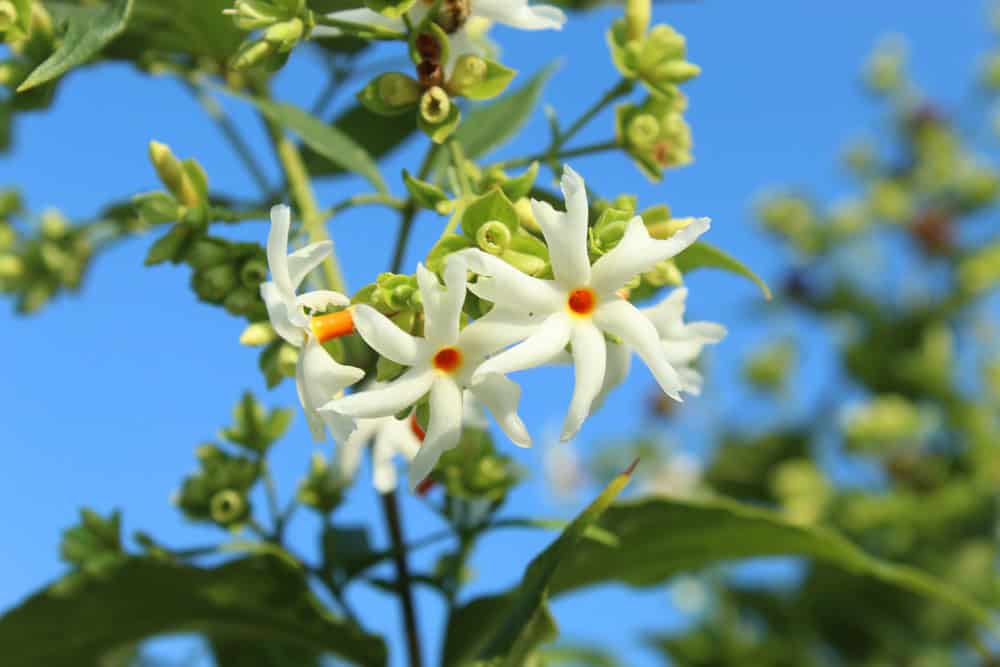
sewali flower
Jasmine is everywhere in India. In temples, in hair rituals, in weddings. Most people associate it with fragrance. What they don’t realise is that it has meaningful medicinal properties for hair health.
Night-flowering jasmine, known as Parijat or Nyctanthes arbortristis, has been studied for its hair growth effects. Research published in 2016 found that night-flowering jasmine initiated hair growth in animal models and showed potential effectiveness against alopecia. The flowers contain compounds with antifungal and antibacterial properties that help maintain a clean, healthy scalp and reduce the microbial activity that contributes to dandruff and hair fall. [5]
Jasmine also has a well-documented relaxing effect on the nervous system. Given the direct relationship between stress hormones and hair fall, this is a more functional benefit than it might initially sound. Applying jasmine-infused oil to the scalp isn’t just a sensory ritual. It’s actively supporting the scalp environment your hair needs to grow well.
Soak jasmine flowers overnight in coconut or sesame oil. Strain the flowers out the next morning and use the infused oil for your scalp massage. It smells extraordinary and your scalp will thank you for it.
6. Calendula

Calendula, also known as pot marigold, is one of the most underrated flowers in the context of hair care. It’s not as well known in Indian households as hibiscus or jasmine, but it has a genuinely impressive profile when it comes to scalp health and hair strength.
Calendula flowers are rich in flavonoids, carotenoids, and essential fatty acids that deeply nourish the scalp, reduce inflammation, and improve blood circulation to the hair follicles. Its anti-inflammatory and wound-healing properties make it particularly effective for people dealing with a sensitive, irritated, or flaky scalp. When the scalp is chronically inflamed, hair follicles struggle to produce healthy hair. Calendula calms that inflammation and allows the follicles to function properly. [6]
It also acts as a natural conditioner for the hair shaft itself. The fatty acids in calendula coat the hair strand and reduce brittleness and breakage, which means not just more growth but stronger, more resilient hair that doesn’t snap off at the ends.
Make a strong calendula tea by steeping dried flowers in hot water for twenty minutes. Let it cool completely, then use it as a final rinse after shampooing. You can also find calendula-infused oils to use for scalp massage. Either way, it works best as a consistent weekly habit rather than an occasional treatment.
How To Get The Most From These Flowers
The most common mistake people make with natural hair remedies is giving up too early. Hair grows approximately one to one and a half centimetres a month. The effects of any topical treatment show up in new growth, not in the hair that’s already there. Give any new remedy at least eight to twelve weeks of regular use before deciding whether it’s working for you.
Patch testing matters too. Even natural ingredients can cause reactions in some people. Apply a small amount to your inner arm and wait twenty-four hours before using it on your scalp for the first time.
And don’t try everything at once. Pick one or two flowers that address your specific concern, whether it’s hair fall, slow growth, scalp inflammation, or breakage, and use them consistently. That approach will always outperform using six different things sporadically.
FAQs
Which flower is best for hair fall specifically?
Hibiscus and rosemary are the most well-researched for hair fall. Hibiscus strengthens follicles and nourishes the scalp. Rosemary has been shown in clinical trials to match the efficacy of minoxidil for pattern hair loss.
Can I use these flowers if I have a sensitive scalp?
Yes, with care. Calendula and brahmi are particularly gentle and well-suited for sensitive or inflamed scalps. Always dilute essential oils like lavender and rosemary in a carrier oil before applying to the scalp.
How often should I use flower-based hair treatments?
Once or twice a week is the right frequency for most people. More than that can over-saturate the scalp and interfere with your regular hair washing routine.
Can I use these flowers during pregnancy?
Some herbal ingredients require caution during pregnancy. Consult your doctor before using any new herbal treatment while pregnant or breastfeeding, even topical ones.
Do I need fresh flowers or can I use dried ones?
Both work. Fresh flowers are ideal for pastes and masks. Dried flowers are convenient for making oils and teas. The key is sourcing good-quality flowers, ideally organic, to avoid pesticide residue on something you’re putting directly on your scalp.
Can men use these flower-based remedies too?
Absolutely. The mechanisms of hair growth and follicle health are the same regardless of gender. Rosemary in particular has been studied specifically for hair fall with strong results.
References
- Sapkal RN, Kubde JA, Hatwar PR, Bakal RL. Exploring herbal remedies for hair care: a review of medicinal plants and their therapeutic efficacies. GSC Biol Pharm Sci. 2025;31(2):179-89.
- Parky E. The effective herbs for hair regrowth and scalp health. J Hair Ther Transplant. 2024;14:253.
- Lee BH, Lee JS, Kim YC. Hair growth-promoting effects of lavender oil in C57BL/6 mice. Toxicol Res. 2016;32(2):103-8.
- Panahi Y, Taghizadeh M, Marzony ET, Sahebkar A. Rosemary oil vs minoxidil 2% for the treatment of androgenetic alopecia: a randomized comparative trial. SKINmed. 2015;13(1):15-21.
- Dixit VK, Joshi S. Effects of Nyctanthes arbortristis on hair growth in rats: a study of hair growth promoting activity. J Ethnopharmacol. 2016;188:53-9.
- Preethi KC, Kuttan G, Kuttan R. Anti-tumour activity of Calendula officinalis. J Ethnopharmacol. 2009;119(2):277-82.
(The article is written by Mantasha, Sr. Executive, Clinical Health & Content, and reviewed by Monalisa Deka, Deputy Manager, Clinical Health & Content, Medical Affairs.)