
As the weather gets colder, your pets will feel some of the same effects: less energy, a harder time digesting food and keeping their immune systems strong, trouble turning food into energy, and more risk of joint pain, infections, and dry skin. Besides blankets, warm bedding, and a heat source, the food you give your pet can help keep them warm from the inside.
According to a few experts in animal & nutrition, the focus of winter nutrition for pets should be:
Set clear calorie limits for winter meals and choose easy-to-digest, nutrient-rich foods to help keep your pet warm and energetic.
According to Nutritionist Mamta Sharma at Tata 1mg, “In the winter months, pets require greater than normal caloric intake and nutrient-rich foods to help keep them warm and healthy while not overfeeding them”.
Explore the best winter foods that promote comfort, health, and happiness for your pet; this is what will ensure a comfortable and healthy pet.
1. Warm, Cooked Meals vs. Cold Food

When pets eat food that is cold (refrigerated), it can affect their body temperature, digestion, and overall health.
Benefits:
-Promotes healthy digestion
-Reduces discomfort in the gut
-Helps keep your pet warm
How to serve:
-Serve at room temperature or slightly warm
-Add warm water or low-sodium broth to the dry kibble
-Do not feed frozen or chilled food
Mamta Sharma says, “Warming meals allow for better digestion and absorption of nutrients, and they are gentler on a pet’s digestive system during winter months.”
2. High-Quality Proteins for Heat and Energy
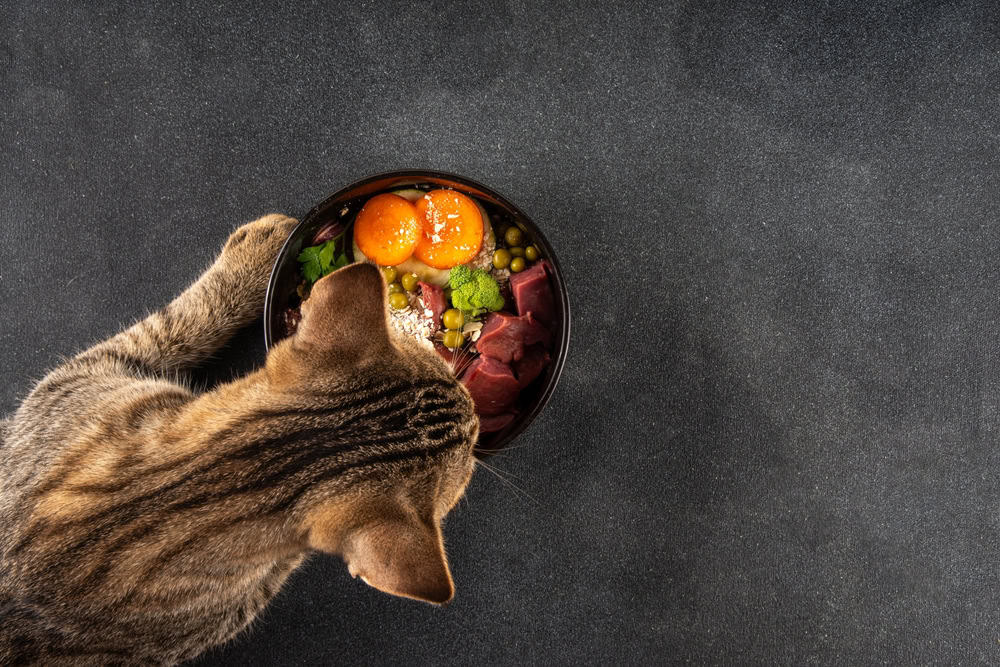 The protein provides heat to the body as it breaks down, supporting muscle strength and keeping your pet warm.
The best sources of protein for winter are:
-Chicken (boiled, boneless)
-Eggs (fully cooked)
-Fish such as salmon (rich in omega-3 fatty acids)
-Paneer (a small amount for dogs, if tolerated)
Benefits:
-Retain muscle mass.
-Build immunity.
-Regulate body temperature.
Note: Do not feed raw meat in the winter months, as it may not be fully digested.
3. Healthy Fats to Insulate the Body
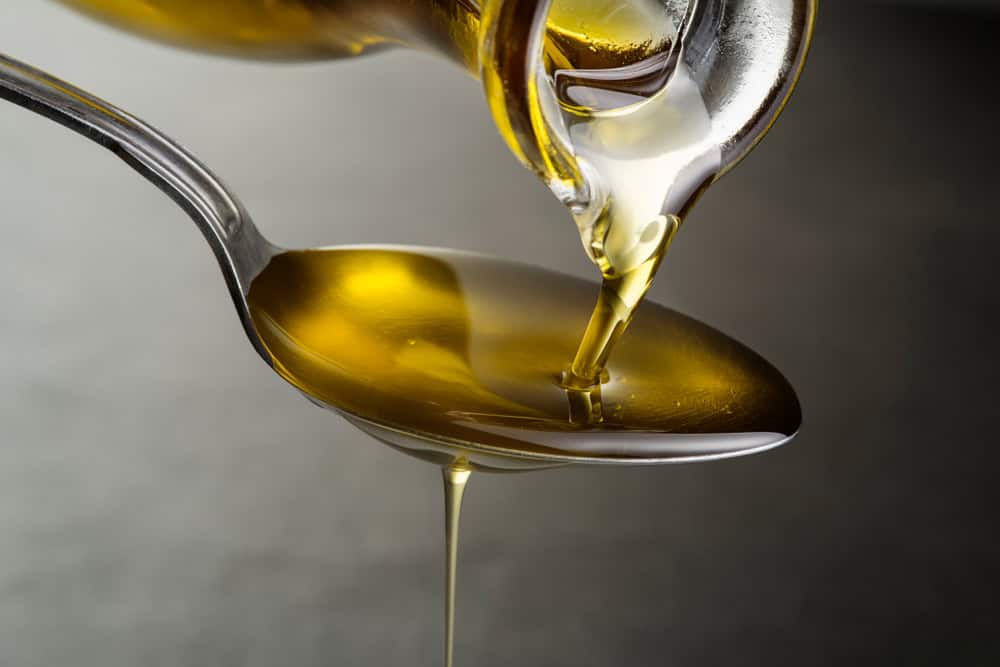 Fats act as natural insulators, supplying energy (calories) and helping to keep warm during the cold months.
Winter-specific sources of fats:
-Fish Oil
-Coconut Oil (small amount with veterinarian approval)
Benefits:
-Maintain healthy skin & fur.
-Prevent dry and flaky skin.
-Sustain warm temperatures.
Mamta Sharma explains: “While healthy fats are essential during winter, proper control of portion sizes should be maintained.”
Because your pets deserve the best—shop Tata 1mg’s trusted pet care range today.
4. Treat Winter Chill By Feeding Your Pets Seasonal Vegetables
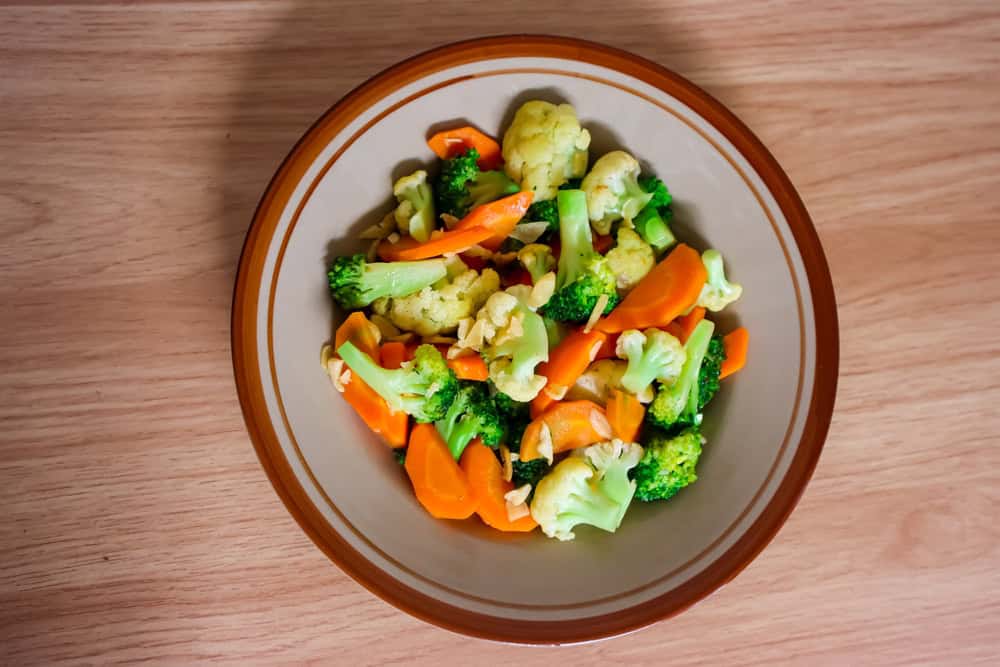 Winter vegetables provide fibre, vitamins, and antioxidants, which help with digestion and strengthen the immune system.
The best vegetables for your pets during winter are:
-Pumpkin (beneficial for gut health)
-Sweet potatoes (energy and warmth)
-Carrots (very high in beta-carotene)
-Spinach (consume very small amounts, must be cooked first for your pet)
Benefits:
– Improve digestion,
– Help with immune function, and
– Increase the bulk of recipes without adding significant calories.
Note: The key is to cook vegetables properly and not season with salt or spices.
5. Bone Broth for Hydration and Joint Health
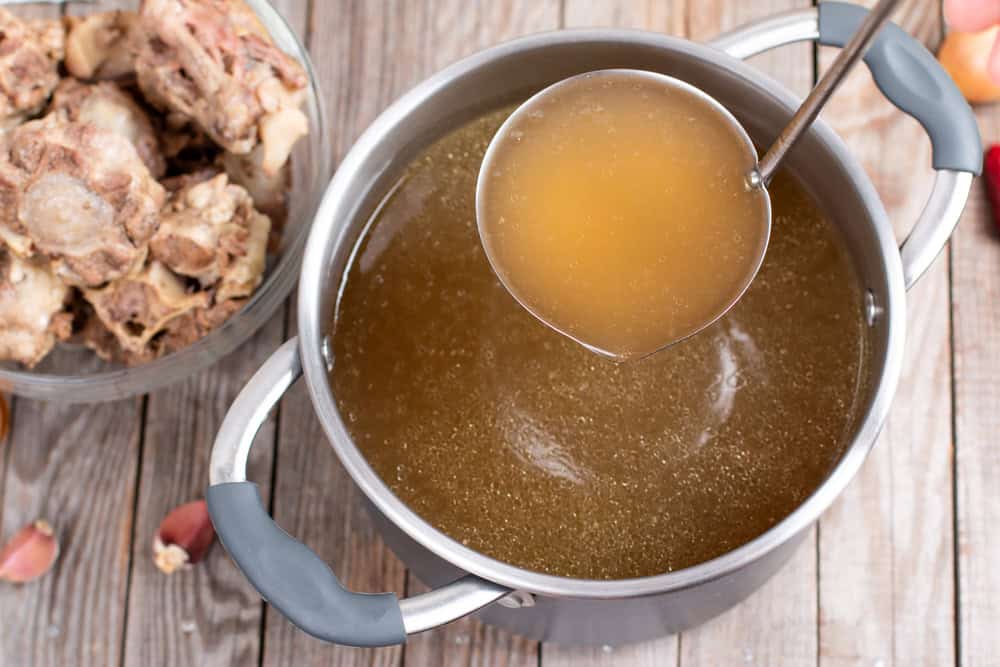 Bone broth is a great winter addition to your pet’s diet – particularly for your older pets.
Benefits of bone broth:
– Helps keep your pet hydrated (most pets drink less water in the winter than at other times of the year);
– Supports joints during cold weather, helping to keep pets comfortable and active; and
– Provides a warm, comforting beverage during this cold winter season.
Note: Only serve plain bone broth. There should not be any added ingredients, and it should not have been cooked with onions or garlic.
6. Grains Provide Long-Lasting Energy
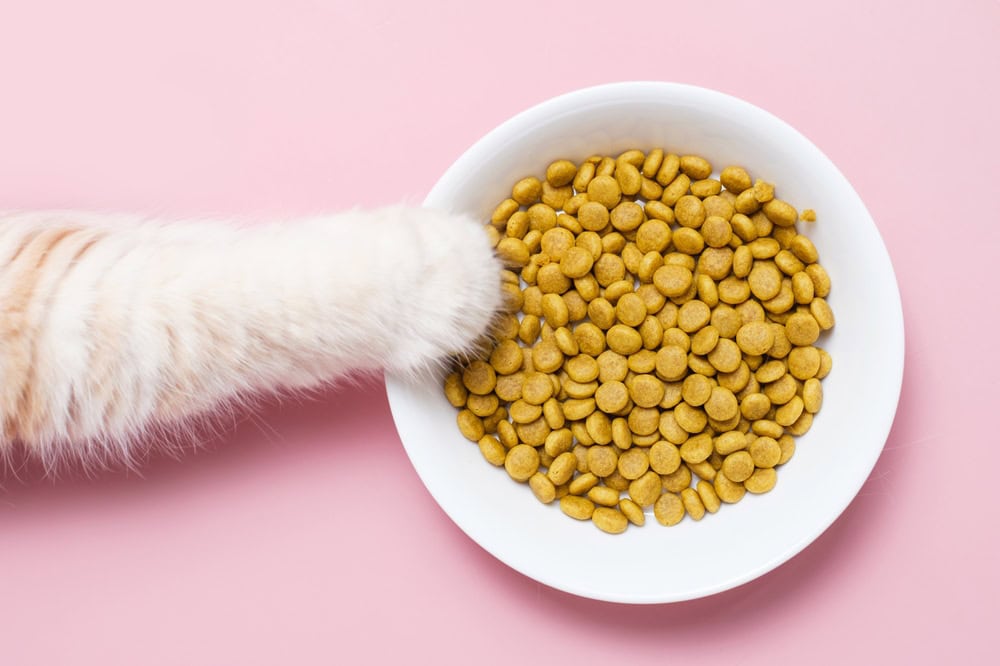 Including grains in your pet’s diet provides long-lasting energy and warmth.
The following grains are a safe choice:
– Brown rice,
– Oatmeal,
– Ragi (also known as finger millet – cooked thoroughly),
These grains are especially helpful for active dogs and growing puppies. However, it’s always best to consult your veterinarian before introducing new grains, as some pets may experience digestive discomfort or diarrhea.
7. Extra Care for Senior Pets
 Older animals experience the cold much more acutely than their younger counterparts.
Nutritional considerations:
-Slightly increase the protein level (if the animal’s kidneys are healthy)
-Add nutritionally supportive food (broths, fish oil, and sardines)
-Soft, warm, and wet food will minimize their stiffness in joints and improve mobility.
Foods to Avoid in Winters
Some types of foods are likely to worsen poor digestibility and cause discomfort when eaten in the winter months:
-Nothing cold (cold milk, raw foods, too many treats)
-Nothing heavy (spicy, salty, sugary foods)
-No chocolate, onions, or garlic (toxic to animals)
What Is The Right Feeding Amount, Especially In Winter?
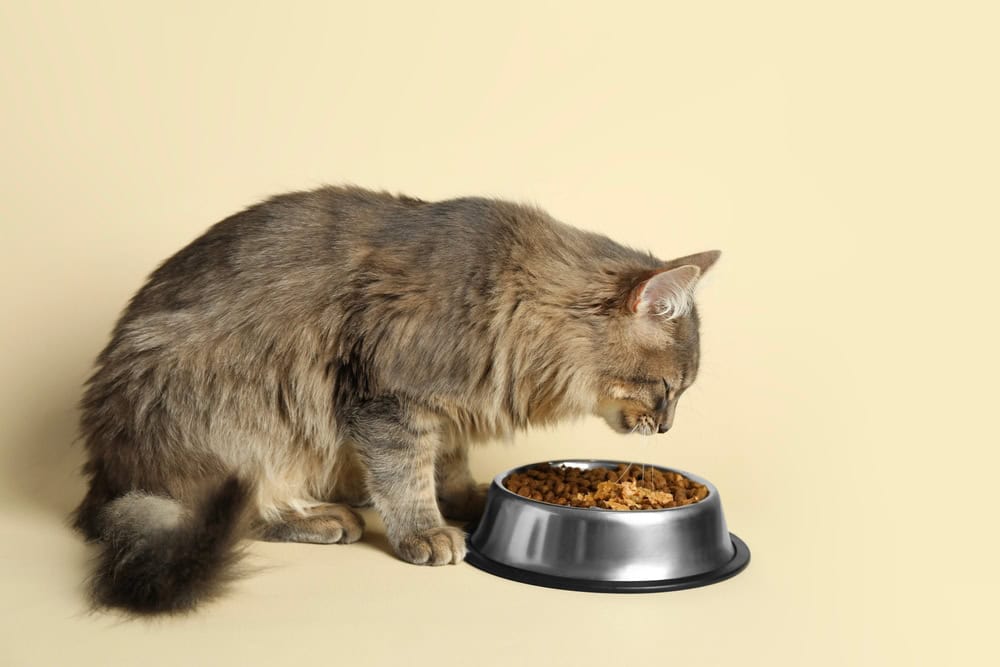
Animals only need slightly more calories in the winter, so do not overfeed them or they will become obese.
Some tips for smarter feeding:
-Gradually increase food portions
-Regularly monitor their weight.
-Increase the amount of food you feed your pet, based on the level of activity you give your pet.
Final Insights: Comfort Begins With Food

You can’t keep your pet warm in the winter solely by putting sweaters on them. You should provide food that’s both healthy and provides a balanced meal. Giving your pet warm, nutritious meals, high-quality proteins, healthy fats, and in-season vegetables will maintain their energy, comfort level, and resilience through the winter months.
By feeding your furry friend mindfully and with small adjustments to their diet, you can ensure that they are healthy, happy, and comfortable throughout the winter months.
Top Learnings
-Winter nutrition is instrumental in providing warmth, energy and health to pets during cold weather.
-It is easier for pets to digest warm, freshly prepared meals than cold or refrigerated foods due to the warmth of the food.
-Protein-rich foods are essential to producing body heat and supporting muscle strength in winter.
-Healthy fats are a natural form of insulation, as well as providing health benefits to their skin and coats.
-Pumpkin and sweet potatoes, for example, provide digestive and immune support.-Bone broth is helpful to pets in staying hydrated and supporting joint health, especially for senior pets.
-While there will need to be minimal adjustments in diet in the winter, pet parents should not overfeed their fur babies.
-Senior pets need extra nutritional support to help manage their stiff joints and to continue to have mobility.
FAQs
Q. Should I give my pet more food in the winter?
Most active pets will need to be fed a little more than usual, but portion sizes should be based on age, activity level, and weight.
Q. Can pets eat warm food?
Yes, food can be served at room temperature or a little warm. Avoid serving hot food.
Q. Is it okay for pets to eat seasonal winter vegetables daily?
Yes, well-cooked vegetables such as pumpkin and carrots can be safely eaten in moderation.
Q. Can I give my pet bone broth?
Bone broth is safe for your pet as long as it’s plain, unsalted, and does not contain onion or garlic; it provides hydration and joint support.
Q. Do pets require additional fat during the winter months?
While healthy fats provide warmth and support a healthy coat, you should only feed your pet these fats in moderation.
Q. Are there any foods that should not be provided to your pet during winter?
You should avoid raw foods, cold foods, salty/spicy foods, chocolate, onion/garlic, and sugary treats for your pet in the winter months.
Q. What indications show that a pet is cold?
If your pet is shivering, acting lethargic, curling up more than usual, or lying in warm places, this indicates he is cold.
Q. Is cold weather worse for senior pets than for younger ones?
Senior pets are more sensitive to cold weather and should receive warm meals, joint-supporting foods, and extra care during this time.
Recommended Reads
How to Keep Your Furry Friends Safe from Tick-Borne Disease
(The article is written by Deepa Sarkar, Medical Writer, and reviewed by Monalisa Deka, Deputy Manager, Clinical Health & Content, Medical Affairs)