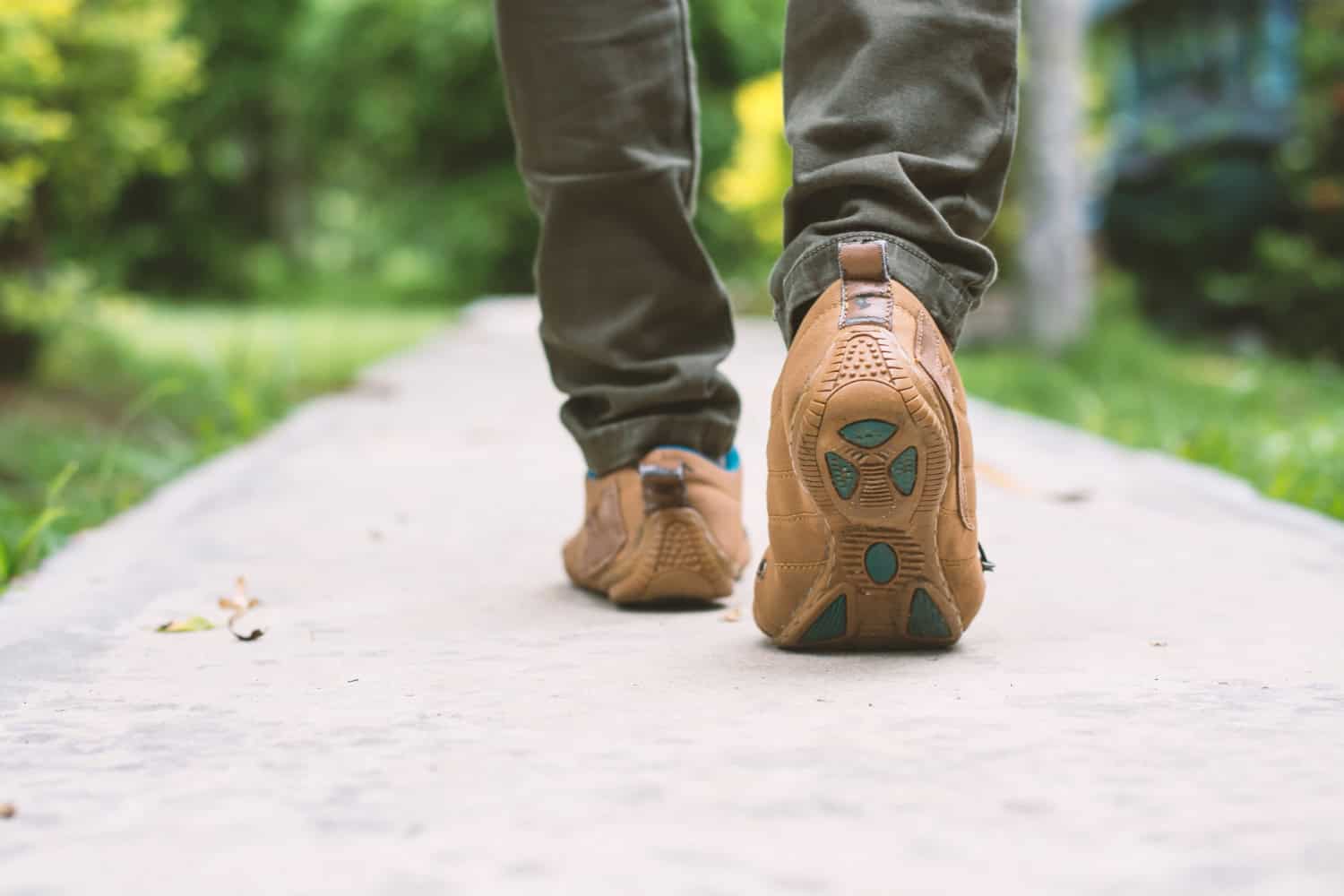
A stroll after eating might be very effective at promoting more stable blood sugar levels. You don’t have to undergo strenuous exercise. Ten minutes of light walking after eating can help your muscles utilize the excess blood sugar.
After meals, blood sugar goes up naturally. Most importantly, foods that contain carbohydrates raise blood sugar. Under ordinary conditions, the organism produces insulin in response to increased blood sugar. Insulin lowers the level of glucose in the cells.
However, a strong increase in the blood sugar level may sometimes be troubling, especially if people have inadequate insulin or suffer from diabetes.
You may start enjoying the beneficial effects of this simple method.
Why Does Blood Sugar Level Increase after the Meal?
Carbohydrate intake ensures an increase in glucose levels in the blood. When blood sugar rises, a special organ, the pancreas, starts producing insulin. The latter hormone is responsible for the transfer of glucose into the tissues.
Foods that are high in refined carbohydrates or added sugars can make blood sugar rise rather fast. On the other hand, meals containing protein, good fats, and fiber usually lead to a slow and gradual increase in blood glucose.
Although a certain level of blood glucose increase is normal, continuous or prolonged spikes can lead to problems with blood glucose management.
How Does Walking After a Meal Help?
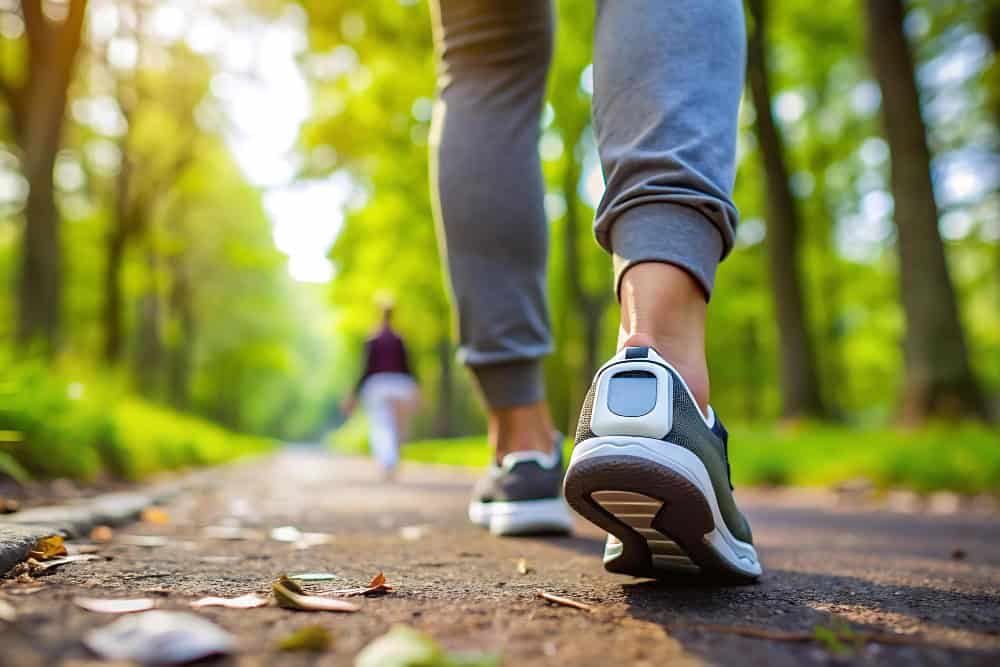
The skeletal muscles are among the biggest consumers of glucose. When walking, the muscles of the body require energy that is obtained from glucose in the bloodstream.
The thing is that muscle contractions trigger glucose uptake through several processes that do not depend entirely on insulin’s functions. As a result, physical activity can aid in glucose utilization by the muscles when insulin does not function as well or as effectively.
Thus, post-meal walking helps the human body effectively get rid of glucose from the bloodstream.
Studies indicate that mild exercise after eating is better for reducing blood sugar levels than hanging about. This is especially useful because post-meal blood glucose levels are crucial for the total blood glucose on that day.
Is 10 Minutes of Walking Enough?

Ten minutes does not seem like a lot, but it can serve as a good starting point. The emphasis does not need to be on burning a lot of calories; what really counts is timing. Walking soon after meals is needed because muscle activity begins just when blood glucose starts to rise.
Studies suggest that it may be beneficial to engage in repeated short exercises done throughout the day rather than in one long workout to control blood sugar levels.
Thus, for people not able to arrange for a 30- or 45-minute workout, doing a ten-minute walk after meals should be a better solution.
What Is The Optimal Time To Walk After Eating?

There is no strict rule regarding the amount of time one must wait after eating before one can embark on a walk. Professionals recommend initiating physical activity after a meal while blood sugar levels are high. Walking can usually begin approximately 10-30 minutes after finishing a meal. It is more important to be consistent than to worry about the exact timing.
If you have eaten a heavy meal, do not rush into walking, but rather give yourself time to recuperate. Make sure that you walk at a comfortable pace when you do go for a walk.
What Is the Right Walking Speed?

There is no need to worry about walking at too high a pace in order to reap the benefits of walking. For most healthy individuals, walking at a comfortable speed, just fast enough to increase breathing but still allow talking, should be a good choice.
Those who are just starting to exercise need to pick a pace that is easy enough to maintain. Once some of your fitness is achieved, you can either walk a bit faster or longer than earlier.
Being consistent about getting some walking done every day is more important than the difficulty of your regimen.
Walking After Meals Versus One Longer Walk

If you have the opportunity, after-meal walks might be beneficial for managing multiple post-meal spikes of glucose during the day.
For instance, you could try:
- 10 minutes after breakfast
- 10 minutes after lunch
- 10 minutes after dinner
It’s a total of 30 minutes of walking without any need for scheduling your half-an-hour workout in advance. Alternatively, if you cannot walk after every meal, then pick the meal that has the biggest calorie count or the largest number of carbs consumed.
For many, dinner works well as an option, especially if they stay sedentary for most of their evenings.
Other Advantages of Walking After Eating
The potential benefits of walking after meals go far beyond blood sugar control. Regular walking has also been linked to greater amounts of physical activity, improved heart health, sustained healthy weight, better movement skills, and mental health benefits. Walking after meals can also help keep people moving, rather than remaining sedentary for a long time, which is beneficial since constant sitting can adversely affect metabolism.
Even a short walk has the potential to be turned into a daily habit. Rather than episodic exercise that calls for the use of sportswear, equipment, or a gym club membership, walking after eating can be seen as an inevitable part of the daily routine.
Who Is Most Likely To Benefit?

Postprandial walking is especially advantageous for inactive individuals or those seeking to improve their glycemic levels. Patients with prediabetes or type 2 diabetes should seek professional advice on whether to include post-meal physical activity in their routines.
Nonetheless, this exercise cannot replace recommended diabetes treatment, healthy eating habits, or a doctor’s visit.
For people implementing insulin therapy or certain glucose-reducing drugs, one must be mindful of the fact that exercising can lead to a drop in blood sugar levels. Thus, if you suffer from diabetes and want to embark on a new exercise regimen, consult your doctor regarding the necessity for blood glucose monitoring.
How to Make Taking a 10-Minute Walk a Habit?

Most people struggle with remembering to walk. You’ll have a better chance of developing this healthy habit if you establish links with your existing routines.
For example, try to put your walking shoes on as soon as you finish dinner. If you telecommute, go for a walk around your neighborhood after lunch instead of heading back to your desk straight away.
You can also walk in your building, down the corridor at work, or even on a treadmill at home. Walking outside is not a requirement.
Start with one meal a day, and if it feels okay, add on a second walk during the day. If necessary, you can even break the 10 minutes into smaller chunks; the key is to avoid sitting still right after eating whenever possible.
The Bottom Line

Walking 10 minutes after meals is a straightforward activity that could make a difference in your blood glucose management. This easy activity utilizes the action of your muscles to help take up some of the glucose entering your bloodstream.
You do not need a highly vigorous physical activity to start with; a simple 10-minute walk is a reasonable choice for those who have spent too much time sitting.
To boost the effect of walking, combine it with sleeping, eating right, and taking part in other activities. If you are diabetic or take medication to control blood sugar levels, consult your doctor before making any changes to your exercise routine.
In essence, what is important is to eat, walk, and keep doing it. Just walking a bit after meals might support your daily activities.
FAQs
Q. How long should I walk after eating to help blood sugar?
According to health professionals, with only a short 10-minute walk after a meal, one can be sure to avoid significant increases in blood sugar levels. Walking longer could mean even more health benefits gained.
Q. Is walking right after a meal beneficial?
Going for a walk shortly after eating may offer some advantages because it engages your muscles while glucose levels continue their rise.
Q. Can I quickly lower my blood sugar after food intake by taking a 10-minute walk?
It could help decrease postprandial blood sugar by activating muscles that will immediately utilize glucose.
Q. Is it required to walk after every meal?
Whenever possible, it would be beneficial to take a 10-minute walk after every meal to keep at least somewhat active.
Q. What speed is preferable for walking after a meal?
A pleasant walking pace would suffice; one has to be able to talk comfortably without getting too out of breath.
Q. Can walking after dinner help blood sugar?
Yes. A short walk after dinner may help reduce the post-meal glucose rise and also adds useful physical activity to your evening.
Q. Is walking after meals helpful for people with diabetes?
It can be, but people with diabetes should consider medications, glucose levels, and individual health needs and discuss exercise with their healthcare professional.
Q. Can I walk indoors after eating?
Absolutely. Walking around your home, workplace, building, or on a treadmill can provide the same basic benefit of getting your muscles moving.
(The article is written by Deepa Sarkar, Senior Medical Writer, and reviewed by Monalisa Deka, Deputy Manager, Clinical Health & Content, Medical Affairs)
Recommended Reads
Trying to Lose Weight? Learn About The Link Between Sleep and Weight Loss!