
Dengue is a viral infection that is transmitted by mosquitoes. It commonly causes symptoms such as fever, body pain, headache, vomiting, weakness, and rashes. Dengue may also cause a low platelet count, dehydration, and serious complications that may require hospitalization in some cases. Currently, there is no antiviral medication to treat dengue, but proper nutrition and hydration can support recovery.
A balanced diet will provide you with energy, help you avoid dehydration, increase your immune system, and provide the essential nutrients needed to heal tissue. No food can treat dengue, but eating nutritious foods can help you recover faster.
Here are eight foods that may speed up recovery from dengue, along with some foods to avoid.
1. Coconut Water

Coconut water is one of the best drinks during recovery from dengue. Replaces fluid and electrolyte losses from sweating and fever. It has sodium, potassium, and magnesium and small amounts of sugar.
Being hydrated also helps maintain blood circulation and prevent complications related to dehydration.
How to use:
- Drink 1-2 glasses daily.
- Choose fresh coconut water without added sugar.
2. Papaya

Papaya is full of vitamins such as vitamin C, vitamin A, folate, dietary fiber, and antioxidants. These nutrients promote the immune system and help cells resist oxidative damage due to diseases.
Papaya leaf extract has been studied for its ability to aid in raising the platelet count, but the research is insufficient and inconsistent. This should never be used as a replacement for proper medical care [1].
How to consume:
- Eat fresh ripe papaya.
- Avoid relying solely on papaya leaf juice as a treatment.
3. Citrus Fruits

Fruits such as oranges, sweet lime, kiwi, guava, and lemons contain a lot of vitamin C, which is good for immunity and collagen formation. Besides, it functions as an antioxidant and ensures less oxidative stress during sickness.
Citrus fruits can also help with hydration because of their high water content.
Top selections:
- Oranges
- Sweet lime (Mosambi)
- Kiwi
- Guava
- Lemon water
4. Pomegranate
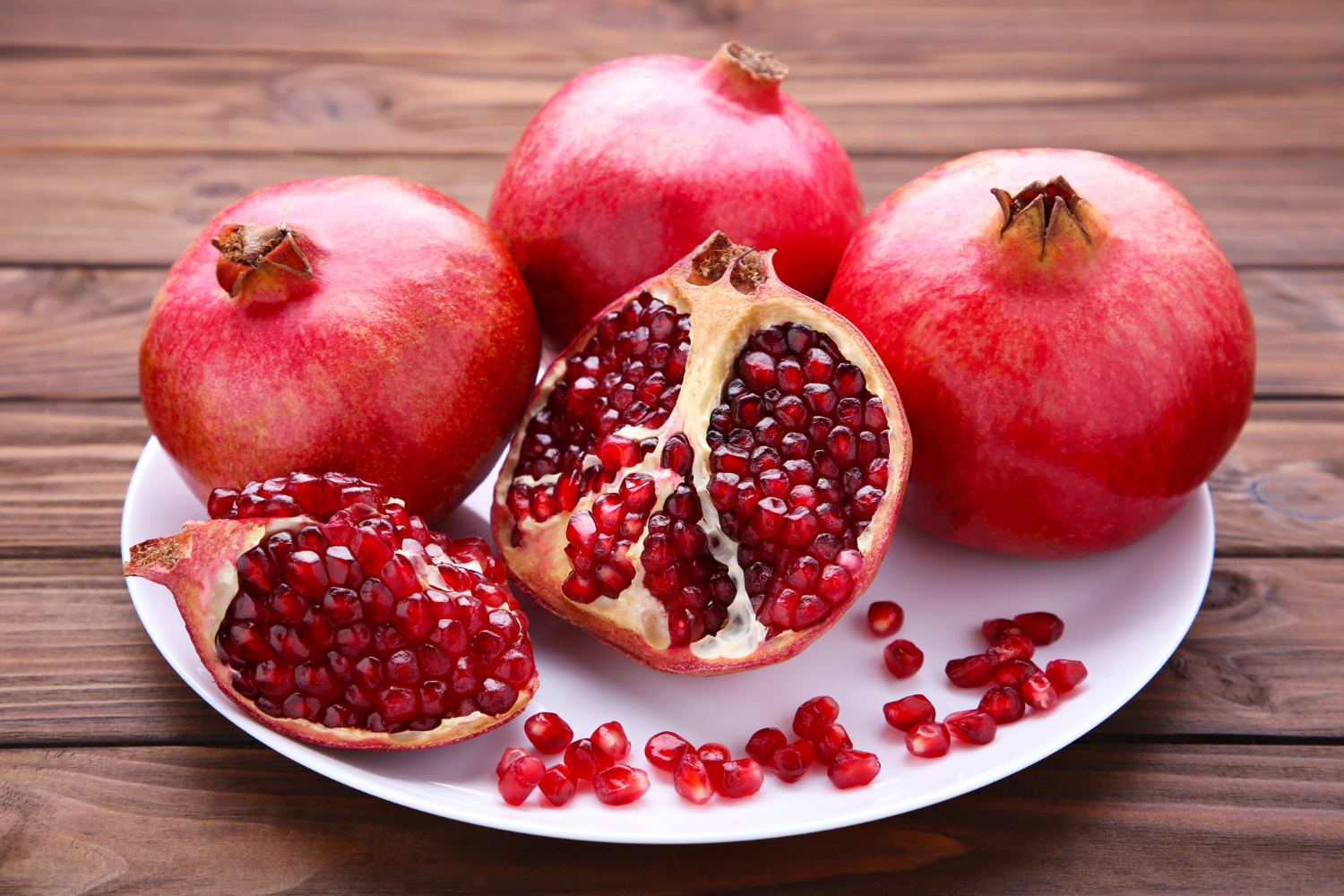
Pomegranate is rich in antioxidants, vitamin C, folate, and natural sugars that provide energy in the process of healing. Additionally, pomegranate contains iron, supporting the formation of healthy red blood cells in the midst of blood loss.
Interestingly enough, while pomegranate does not support the increase of platelet count directly, it is an
5. Protein-Rich Foods
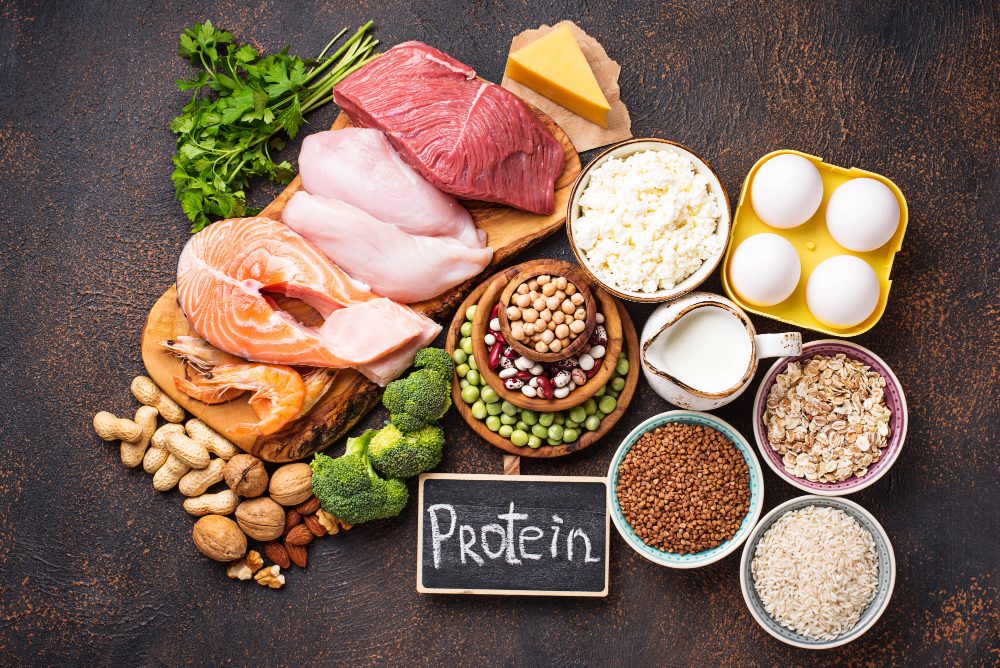 High temperatures require the body’s intake of more proteins because some repair work needs to be done. Proteins are responsible for immune function as well.
Sources of protein include:
- Eggs
- Fish
- Skinless chicken
- Dal
- Lentils
- Paneer
- Tofu
- Greek yogurt
With the help of these foods, all amino acids necessary for a person’s healing can be obtained.
6. Leafy Green Vegetables
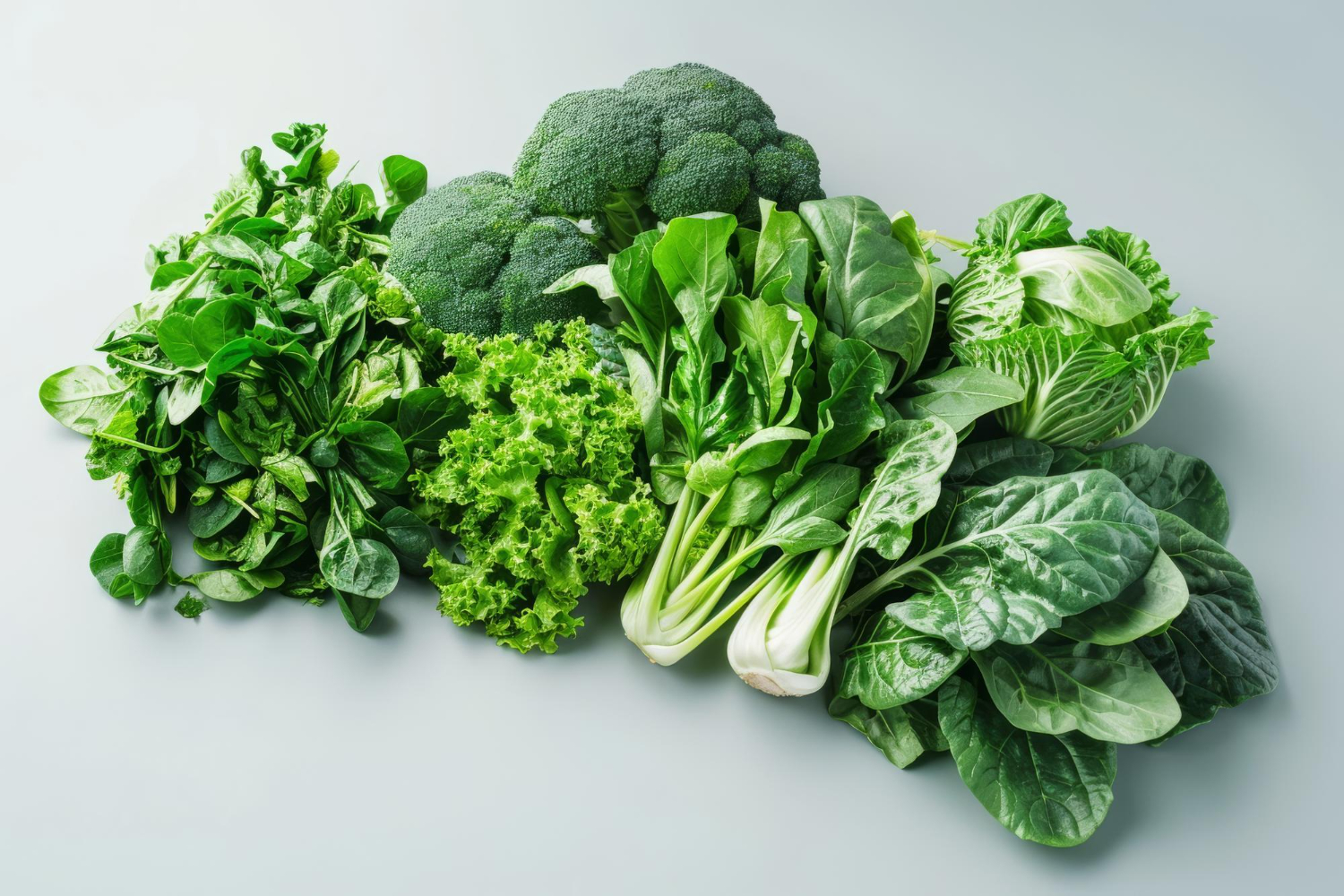 Green vegetables, including spinach, fenugreek leaves, moringa leaves, etc., contain many nutrients, including folate, iron, vitamin K, and vitamin C, as well as antioxidants.
Moreover, greens contain fiber, which helps normalize the processes in the bowel.
Vegetables can be prepared as follows:
- Soups
- Steamed dishes
- Light curries
- Purees
Avoid experts that involve lots of frying.
7. Vegetable soups and khichdi
 Many patients do not want to eat when they are sick. Some meals are very gentle to the stomach as they do not require too much effort from the digestive system and will be beneficial.
You may consider:
- Moong dal khichdi
- Vegetable soup
- Rice porridge
- Oatmeal
- Soft rice with dal
These meals will provide carbohydrates and fluid.
8. Yogurt and Probiotics

Digestive problems can occur during viral illnesses, but the probiotics found in yogurt can help to improve gut organisms and digestive health.
Yogurt is also rich in:
- Protein
- Calcium
- Vitamin B12
If yogurt is needed, it is best to select the unflavored version, which does not contain sugar and should only be consumed if there is no vomiting or intense discomfort experienced.
Foods You Should Steer Clear Of During Dengue Recovery

Certain food items might exacerbate your digestive symptoms or adversely impact your recovery process. No specific food is responsible for making dengue worse. However, avoiding junk food aids in faster healing.
1. Fried Foods
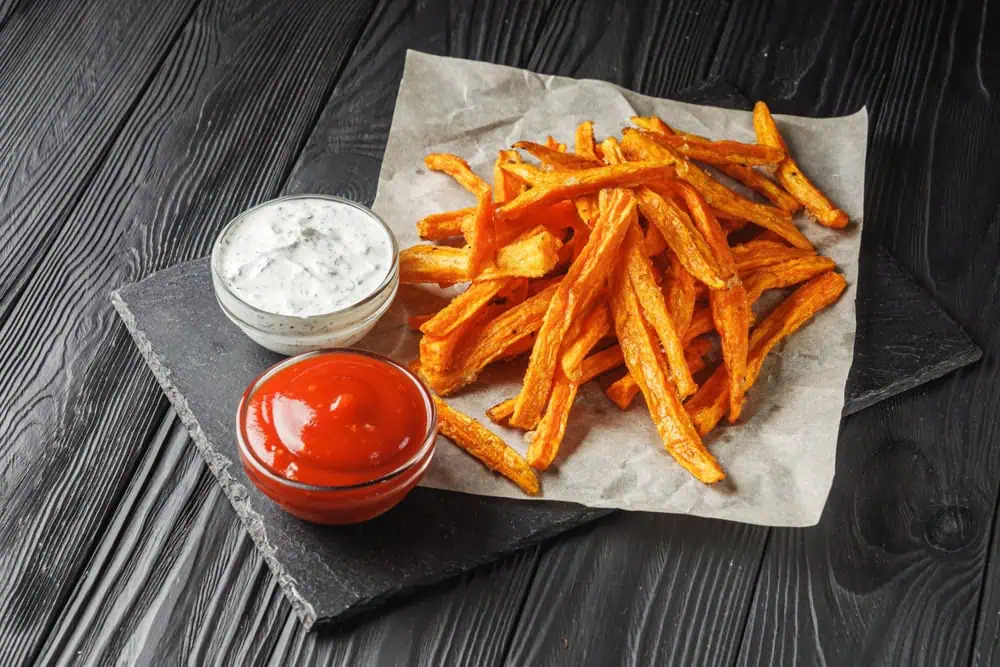
Fried foods are difficult to digest and can cause increased nausea, acidity, and stomach discomfort.
Avoid:
- Pakoras
- French fries
- Chips
- Chicken fritters
2. Sugary Foods And Soft Drinks

Foods that are rich in sugar provide empty calories. Also, too much sugar can make dehydration worse, especially if you’re replacing water and other beverages with sugary drinks.
Avoid:
- Cakes
- Pies
- Sweets
- Soft drinks
- Energy drinks
3. Alcohol

Alcohol increases dehydration and puts more stress on the liver, which may be already compromised during the illness. Do not drink alcohol until you are completely recovered.
4. Ultra-processed Foods
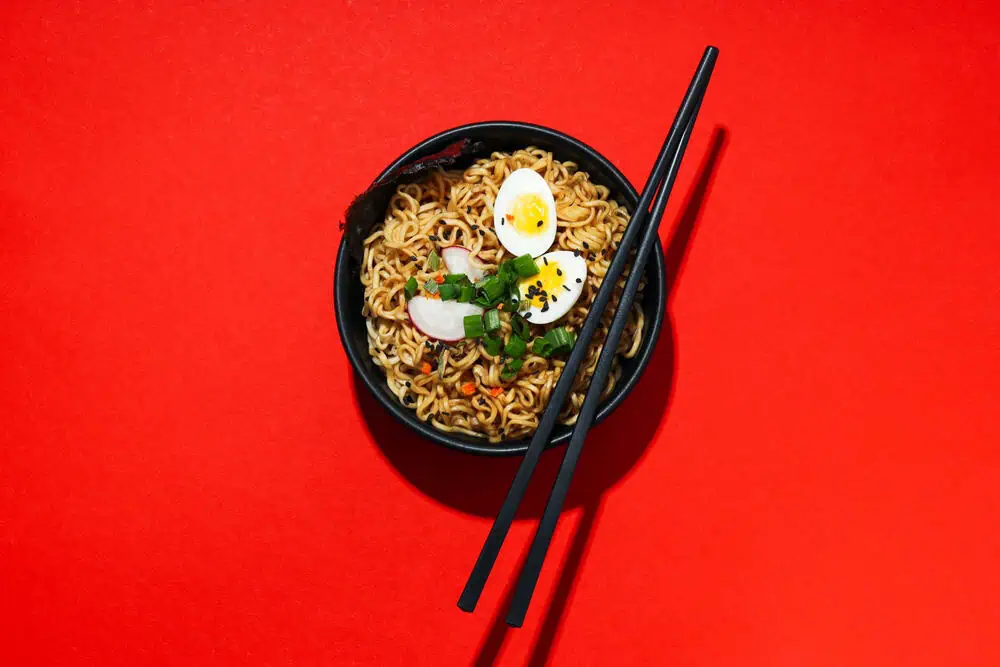
Packaged snacks, instant noodles, processed meats and fast foods are often high in sodium, unhealthy fats and preservatives, and low in vitamins and minerals.
Instead, try a homemade diet of fresh food.
5. Too Spicy Foods

Strongly spiced foods may annoy the stomach and aggravate nausea, vomiting, or gastroesophageal reflux when feeling sick.
As long as you do not feel better, stick to milder food.
Additional Suggestions for Accelerated Recovery
 In addition to eating the right food, there are several practices to aid recovery:
- Drink a lot of fluids throughout the day.
- Use an oral rehydration solution (ORS) when prescribed by your doctor.
- Have proper rest and avoid lifting heavy weights.
- Have timely detection of any symptoms like bleeding gums, severe stomach pain, vomiting, difficulty in breathing, and severe weakness.
- Follow your doctor’s recommendations concerning examination and testing.
- Don’t take medications to relieve pain on your own.
Do Foods Raise Platelet Levels?

While some foods such as papaya, kiwi, and pomegranate are believed to increase platelet levels, scientific evidence does not support that any food alone can significantly increase platelet counts in dengue patients.
Eating healthy foods promotes overall health, but platelet levels are mostly restored as the viral disease comes to an end. Individuals with extremely low platelet counts or presenting any warning signs should not put off treatment.
Summary
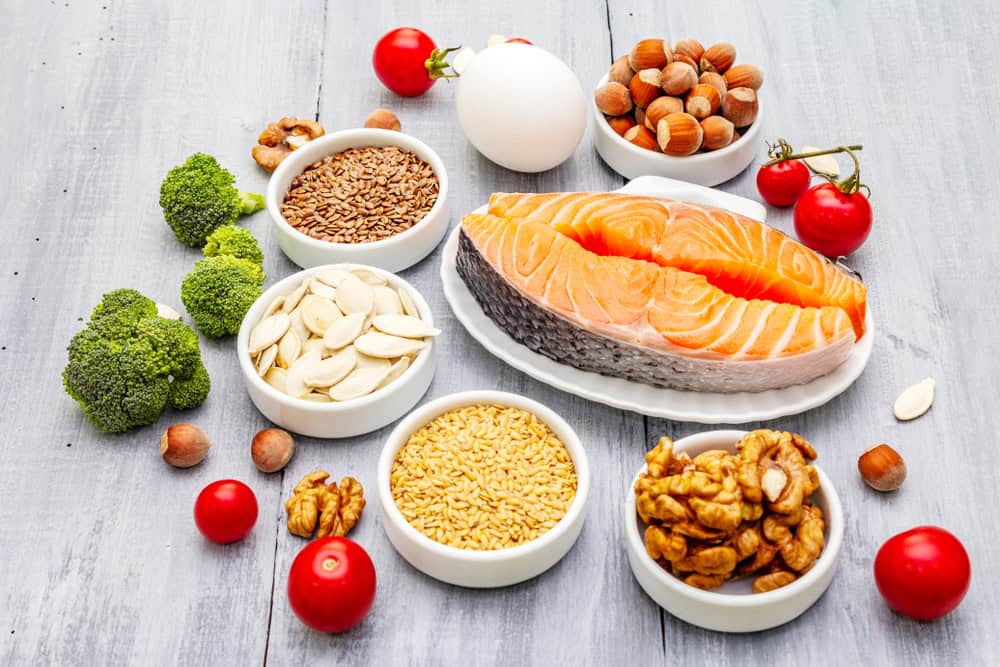
Even though there is no food that alone can cure the disease, the use of a balanced diet with a lot of fluids, fruits and vegetables, proteins, and easy-to-digest food varieties helps provide support while recovering. Remember that it is necessary to drink enough water to recover and to follow the physician’s recommendations.
FAQs
Q. What foods will help in recovery from dengue?
Hydrating fluids, like coconut water; fresh fruits, like papaya and oranges; protein-laden foods; leafy green vegetables; vegetable soups; khichdi; and yogurt are recommended since these foods contain important nutrients, help maintain hydration, and aid in the recovery from the infection.
Q. Does papaya leaf juice raise platelet count in dengue?
Papaya leaf juice is researched for its possible role in aiding platelet levels, but the existing studies are not conclusive. Thus, it cannot be viewed as a therapy for dengue.
Q. Can milk be consumed during dengue?
Milk is fine to drink if it can be tolerated since it has proteins and calcium that are beneficial for recovery from the infection. However, if it leads to discomforting conditions like nausea and an upset stomach, lighter protein sources like yogurt, dal, or soups can be consumed.
Q. Which foods are to be avoided during dengue recovery?
It is better to steer clear of junk foods, items high in spices, fizzy drinks, processed snacks, and alcohol while recovering from dengue.
Q. Are eggs beneficial for dengue patients?
Yes, eggs are a great source of high-quality protein, vitamins, and minerals that support tissue repair and help maintain muscle strength during the recovery process. If tolerated, they may be eaten as part of a balanced diet for dengue patients.
Q. Can you recover from dengue fever with diet alone?
No, a healthy diet may help facilitate the healing process but will not cure dengue. It is critical to make sure that medical evaluation and treatment are carried out on time, get enough rest, keep hydrated properly, and monitor the symptoms.
(The article is written by Deepa Sarkar, Senior Medical Writer, and reviewed by Monalisa Deka, Deputy Manager, Clinical Health & Content, Medical Affairs)
Recommended Reads
6 Effective Ways To Prevent Dengue
References
1. Haward R, Konjeti S, Chacko J, Nadella JS, Roja SL, Rayapudi JJ. Papaya leaf extract elevates platelet levels in individuals with dengue fever. Cureus [Internet]. 2024;16(5):e61090. Available from: http://dx.doi.org/10.7759/cureus.61090
2. CDC. (2025, May 22). About. Dengue. https://www.cdc.gov/dengue/about/index.html
3. Dengue. (n.d.). Who.int. Retrieved July 28, 2026, from https://www.who.int/news-room/fact-sheets/detail/dengue-and-severe-dengue