
Jackfruit is having a moment. You see it in vegan pulled pork recipes, in biryani, in curries, and on every health food blog that exists. But most people who eat it occasionally don’t actually know what it does to your body when you eat it regularly.
Here’s what’s interesting. Jackfruit isn’t just a meat substitute or a trendy ingredient. It’s a genuinely nutritious fruit that’s been eaten across South and Southeast Asia for centuries. And when you eat it daily, in the right amount and the right form, some useful things start happening inside your body.
Let’s get into what those things actually are, how to cook with it practically, and who needs to be careful.
What’s Actually In Jackfruit?
Before getting into what it does, it helps to know what you’re working with nutritionally.
| Nutrient | Amount per 100g raw jackfruit | Why It Matters |
| Calories | ~95 kcal | Moderate energy, not calorie-dense |
| Carbohydrates | ~23g | Natural sugars and starch for energy |
| Fibre | ~1.5g | Gut health, digestion, satiety |
| Protein | ~1.7g | Unusual for a fruit, supports muscle |
| Vitamin C | ~13.7mg (15% RDI) | Immunity, collagen production |
| Vitamin B6 | ~0.3mg (18% RDI) | Brain function, metabolism |
| Potassium | ~448mg | Blood pressure, heart function |
| Magnesium | ~29mg | Muscle and nerve function |
| Calcium | ~24mg | Bone and teeth support |
| Iron | ~0.6 mg | Oxygen transport, energy |
Source: USDA FoodData Central. Values are approximate for raw ripe jackfruit.
What Happens to Your Body When You Eat Jackfruit Daily
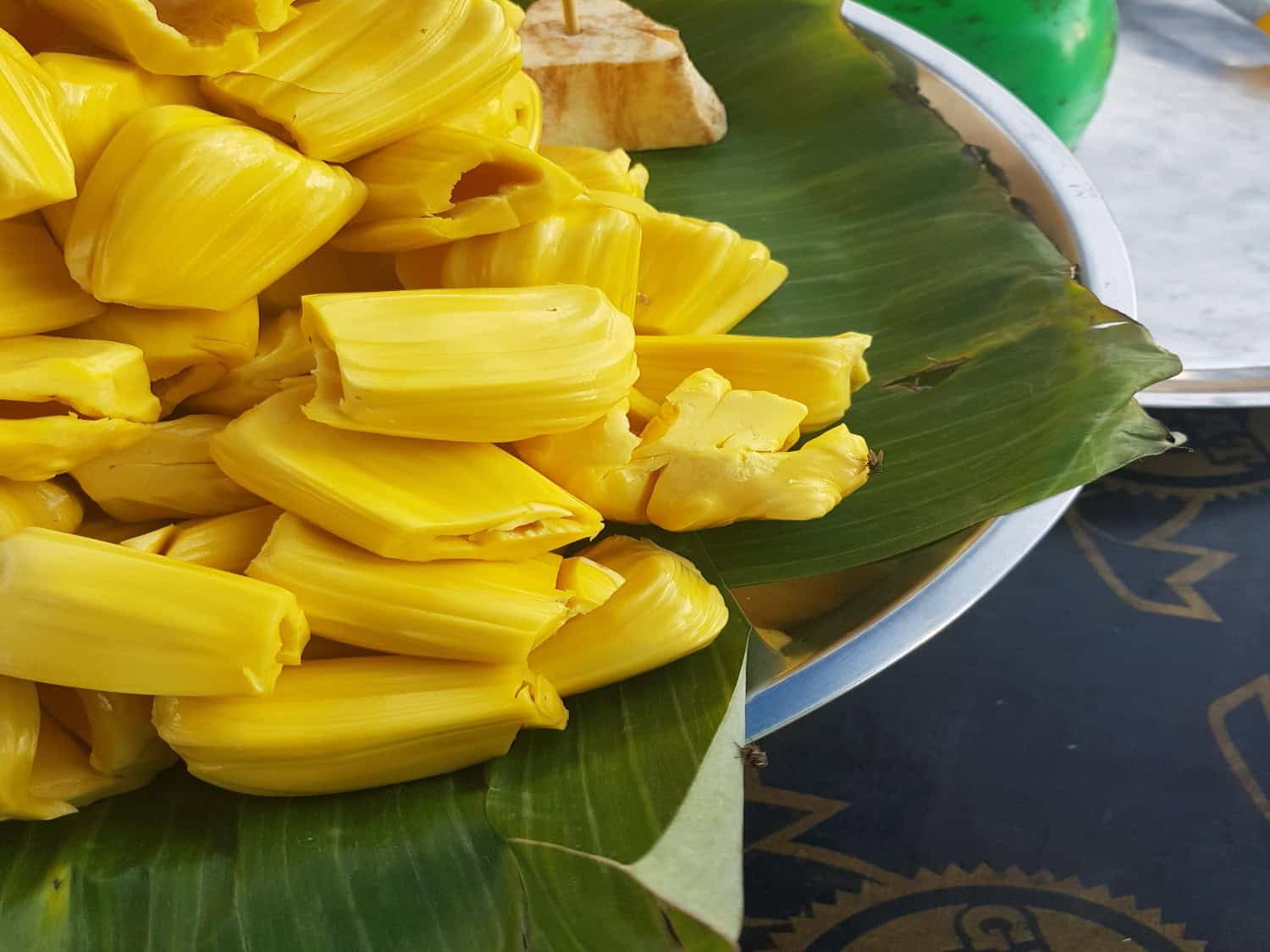
Your Digestion Gets Better
Jackfruit contains both soluble and insoluble fiber. Soluble fiber slows digestion and keeps blood sugar more stable after meals. Insoluble fiber adds bulk and keeps things moving regularly.
For anyone who struggles with constipation, bloating, or irregular digestion, adding jackfruit daily can make a noticeable difference within one to two weeks. The fiber also feeds beneficial gut bacteria, which matters more than most people realize for overall metabolic health.
The caveat here is that if you go from eating almost no fiber to eating a large amount of jackfruit suddenly, you may experience temporary bloating and gas. Start with a smaller portion and increase gradually.
Your Blood Sugar Gets More Stable
This one surprises people because jackfruit tastes sweet and they assume it must spike blood sugar. The reality is more nuanced. Jackfruit has a lower glycemic index than most people expect, around 50 to 60, which means it causes a slower, more gradual rise in blood sugar compared to white rice or bread.
Some research also suggests that jackfruit seed flour and jackfruit leaf extracts have anti-diabetic properties, though eating the fruit itself is the more practical daily approach. The fibre content slows glucose absorption, which is the main mechanism at work.
That said, people with diabetes should not eat large quantities freely. The carbohydrate content is real and portions matter. More on that below.
Your Immunity Gets a Quiet Support
Jackfruit contains vitamin C, vitamin B6, and various antioxidants, including flavonoids and carotenoids. These don’t dramatically transform your immune system overnight, but they contribute to the kind of consistent, low-level immune support that adds up over weeks and months of daily eating.
Vitamin C specifically supports the production of white blood cells and helps your body absorb the non-haem iron in jackfruit more effectively. Eating it daily means these contributions are regular rather than occasional.
Your Blood Pressure May Improve
The potassium content in jackfruit is one of its more underappreciated qualities. Jackfruit provides 448mg of potassium per 100g, which is important because potassium helps lower the blood pressure-raising effects of sodium and supports healthy arteries.
For anyone eating a typical Indian diet that’s relatively high in sodium from pickles, papads, and processed foods, getting consistent potassium from whole foods like jackfruit helps maintain a healthier sodium-potassium balance. This is one of the more direct cardiovascular benefits of eating jackfruit regularly.
Your Skin May Look Better Over Time
This one is indirect but real. The antioxidants in jackfruit, particularly vitamin C and carotenoids, protect skin cells from oxidative damage. Vitamin C is also essential for collagen synthesis, which is what keeps skin firm and elastic over time.
Daily jackfruit won’t replace a skincare routine, but it contributes to the nutritional foundation that skin health depends on. The same antioxidant protection applies to your cells more broadly, reducing the kind of oxidative stress that drives long-term aging and disease. If skin health is something you’re actively working on through diet, this guide on how neem supports acne-prone and oily skin covers another traditional Indian ingredient worth knowing about alongside jackfruit.
Your Weight May Become Easier to Manage
Jackfruit is moderately filling for its calorie content. The fiber and water content create a sense of fullness that helps reduce overall food intake naturally. It also has a lower calorie density than most carbohydrate-heavy foods, meaning you can eat a satisfying volume of it without consuming excessive calories.
It’s not a weight loss food in the direct sense. But replacing a portion of refined carbohydrates in your diet with jackfruit regularly is a practical swap that reduces calorie density and increases fiber, both of which support weight management over time.
5 Practical Jackfruit Recipes for Daily Eating

1. Raw Jackfruit Sabzi (Kathal ki Sabzi)
This is the most classic Indian preparation and the most practical for daily eating. Raw jackfruit cooked as a sabzi has a meaty texture that makes it genuinely satisfying as a main dish alongside roti or rice. The spices do most of the flavor work, and jackfruit absorbs them well.
How to make it: Boil raw jackfruit pieces with salt and turmeric until just tender, about fifteen minutes. In a pan, heat oil and add whole spices, including bay leaf, cloves, and black cardamom. Add finely chopped onions and cook until golden. Add ginger-garlic paste, tomatoes, and spice powders including coriander, cumin, red chili, and garam masala. Add the boiled jackfruit pieces and cook on medium heat for ten to fifteen minutes until the masala coats everything well. Finish with fresh coriander.
When to eat it: Lunch. The fiber and protein content make this a filling midday meal that sustains energy through the afternoon.
2. Jackfruit Rice (Kathal Pulao)
A one-pot meal that works well for days when you want something nutritious without spending too much time cooking. The jackfruit pieces take on the flavor of the whole spices and create a dish that feels substantial and complete.
How to make it: Sauté whole spices in ghee, add sliced onions, and cook until golden. Add marinated jackfruit pieces, ginger-garlic paste, and spice powders. Stir for five minutes. Add soaked basmati rice and water in a 1:2 ratio. Cook covered on low heat until the rice is done. Serve with raita and sliced onions.
When to eat it: Lunch or an early dinner. A light raita alongside adds protein and probiotics to balance the meal.
3. Jackfruit Curry with Coconut Milk
This South Indian-inspired preparation uses ripe jackfruit rather than raw, which gives it a completely different character. The natural sweetness of ripe jackfruit works beautifully with coconut milk and curry leaves, and the result is a dish that feels indulgent while being genuinely nutritious.
How to make it: In a pan, heat coconut oil and add mustard seeds, curry leaves, and dried red chilies. Add sliced onions and green chilies and cook until soft. Add ripe jackfruit pieces, a teaspoon of turmeric, and salt. Pour in one cup of thin coconut milk and simmer for ten minutes. Add thick coconut milk, adjust seasoning, and cook for another five minutes on low heat. Do not boil after adding thick coconut milk.
When to eat it: Dinner with steamed rice. Light enough for the evening but satisfying enough that you won’t feel hungry before bed.
4. Jackfruit Chaat
This one is for people who want a quick snack or a light lunch that doesn’t require cooking from scratch. Ripe jackfruit with chaat masala, lemon, and fresh herbs takes five minutes to put together and gives you a nutrient-dense snack that’s far better than most packaged options.
How to make it: Take ripe jackfruit pieces and remove any seeds. Toss with chaat masala, black salt, roasted cumin powder, red chili powder, and a generous squeeze of lemon. Add finely chopped coriander and green chili. Mix well and serve immediately. You can add sliced onions and pomegranate seeds for extra texture.
When to eat it: As a mid-morning or mid-afternoon snack. The natural sugars in ripe jackfruit give you quick energy, and the fiber slows the release enough to avoid a sharp crash.
5. Jackfruit Smoothie
This works specifically with ripe jackfruit and is the easiest way to get jackfruit into your daily routine if you’re not planning to cook. The flavor of ripe jackfruit is naturally sweet and tropical, which means it blends into a smoothie without needing added sugar.
How to make it: Blend four to five ripe jackfruit pods with one banana, half a cup of yogurt or coconut milk, a pinch of cardamom, and a handful of ice. If you want extra protein, add a tablespoon of hemp seeds or chia seeds. Blend until smooth and drink immediately.
When to eat it: Breakfast or as a post-workout drink. The natural sugars provide quick energy, and the yogurt adds protein and probiotics.
How Much Jackfruit Should You Eat Daily?

For raw jackfruit preparations like sabzi or curry, one cup of cooked jackfruit, roughly 150 to 200 grams, is a reasonable daily serving. That gives you meaningful fiber, potassium, and vitamins without excessive carbohydrate intake.
For ripe jackfruit eaten fresh, four to six pods, or about 100 grams, are appropriate for most adults. Ripe jackfruit is higher in natural sugars than raw, so portion awareness matters more here.
Don’t eat jackfruit in very large quantities daily, assuming more is better. The carbohydrate content adds up, and the fiber, while beneficial, can cause digestive discomfort in excessive amounts. One serving done consistently is more useful than large amounts eaten occasionally.
Who Should Be Careful or Avoid Jackfruit
People With Diabetes
Jackfruit is not off-limits for diabetic individuals, but it requires portion control. The glycemic load of a large serving of ripe jackfruit is significant enough to affect blood sugar meaningfully. Stick to small portions of raw jackfruit preparations rather than ripe jackfruit, and always pair it with protein or fat to slow glucose absorption further. Monitor your blood sugar response and adjust accordingly.
People With Birch Pollen Allergy
Jackfruit belongs to the Moraceae family and contains proteins that can cross-react with birch pollen allergens. If you have known birch pollen allergies and experience itching or tingling in your mouth after eating jackfruit, that’s oral allergy syndrome, and you should avoid it.
People On Blood Thinners
Jackfruit contains vitamin K, which plays a role in blood clotting. For anyone on warfarin or other anticoagulant medications, consistent large amounts of vitamin K from food can interfere with medication effectiveness. Check with your doctor about how much is appropriate for your specific situation.
People Scheduled for Surgery
Jackfruit has mild blood sugar-lowering properties and may affect anesthesia response. It’s generally recommended to avoid it in the days immediately before a scheduled surgical procedure.
People With Latex Allergy
There is a documented cross-reactivity between latex and certain tropical fruits, including jackfruit. If you have a latex allergy, eat jackfruit cautiously for the first time and watch for any allergic response.
For a full picture of jackfruit’s health benefits and its traditional uses in Indian wellness, this detailed overview of the surprising health benefits of jackfruit is worth reading alongside this article.
A Few Practical Things Worth Knowing
Handling raw jackfruit is sticky work. The white latex that comes out when you cut it sticks to everything including your hands and knife. Oil your hands and knife generously before cutting. Coconut oil or any cooking oil works. This makes the whole process significantly easier and prevents a mess that’s surprisingly hard to clean.
Frozen raw jackfruit is available in most supermarkets now and works well in all the cooked preparations above. If fresh jackfruit isn’t available or the cutting feels like too much effort, frozen is a perfectly good alternative.
Jackfruit seeds are edible and nutritious. Don’t throw them away. Boil them with salt and eat them as a snack, or dry and grind them into flour. They have more protein than the fruit itself and add useful nutrition to the meal.
If you’re thinking about jackfruit as part of a broader approach to eating more seeds and whole foods for weight management, this guide on the best seeds for weight loss including benefits and recipes covers complementary options worth adding to your diet alongside jackfruit.
FAQs
Can I eat jackfruit every day?
Yes, for most healthy adults. One serving of raw or ripe jackfruit daily is safe and beneficial. People with diabetes, kidney disease, blood clotting disorders, or latex allergies should be more careful and check with their doctor about appropriate amounts.
Is jackfruit good for weight loss?
Indirectly, yes. It’s moderately filling for its calorie content, high in fibre, and a useful replacement for calorie-dense refined carbohydrates. It won’t cause weight loss on its own but fits well into a diet designed for weight management.
Which is healthier, raw or ripe jackfruit?
Both have their place. Raw jackfruit is lower in sugar and works better in savoury preparations. Ripe jackfruit is higher in natural sugars but also higher in antioxidants and vitamin C. For diabetic individuals, raw jackfruit preparations are more appropriate.
Does jackfruit cause gas and bloating?
It can, particularly if you eat a large amount suddenly when your gut isn’t used to high-fibre foods. Start with smaller portions and increase gradually. Cooking jackfruit thoroughly also reduces the likelihood of digestive discomfort compared to eating it raw.
Can jackfruit replace meat in a vegetarian diet?
Texturally, yes, particularly raw jackfruit which has a pulled meat-like consistency when cooked. Nutritionally it’s not a complete protein replacement since it has lower protein content than meat. Pair it with dal or legumes to cover the protein gap.
Is canned jackfruit as nutritious as fresh?
Canned jackfruit in brine or water retains most of its nutritional value but may have added sodium. Canned jackfruit in syrup has significantly more sugar and is less appropriate for daily eating. Fresh or frozen jackfruit is preferable when available.
Can people with kidney disease eat jackfruit?
No, or only in very small amounts under medical supervision. Jackfruit is high in potassium, and people with chronic kidney disease or kidney failure cannot filter excess potassium efficiently. A buildup of potassium in the blood, called hyperkalemia, can cause serious complications, including weakness, paralysis, and heart problems. If you have kidney disease, avoid jackfruit or check with your nephrologist first.
Should you drink water immediately after eating jackfruit?
It’s better to wait. Jackfruit already has a high water content, and drinking water immediately after can speed up bowel movement significantly, sometimes leading to loose stools or diarrhea. Give it at least 30 minutes before drinking water after eating jackfruit.
Who should not eat jackfruit?
People with kidney disease should avoid it due to its high potassium content. Those with birch pollen or latex allergies should also stay away. Diabetics can eat raw jackfruit in small portions but should avoid ripe jackfruit in large quantities. People on blood thinners, immunosuppressants, or those scheduled for surgery should check with their doctor before eating jackfruit regularly.
(The article is written by Mantasha, Sr. Executive, Clinical Health & Content, and reviewed by Monalisa Deka, Deputy Manager, Clinical Health & Content, Medical Affairs.)
Recommended Reads
5-healthy-calcium-rich-moringa-leaf-recipes-how-to-make-them-and-when-to-eat/
best-seeds-for-weight-loss-benefits-recipes-how-to-eat-them/