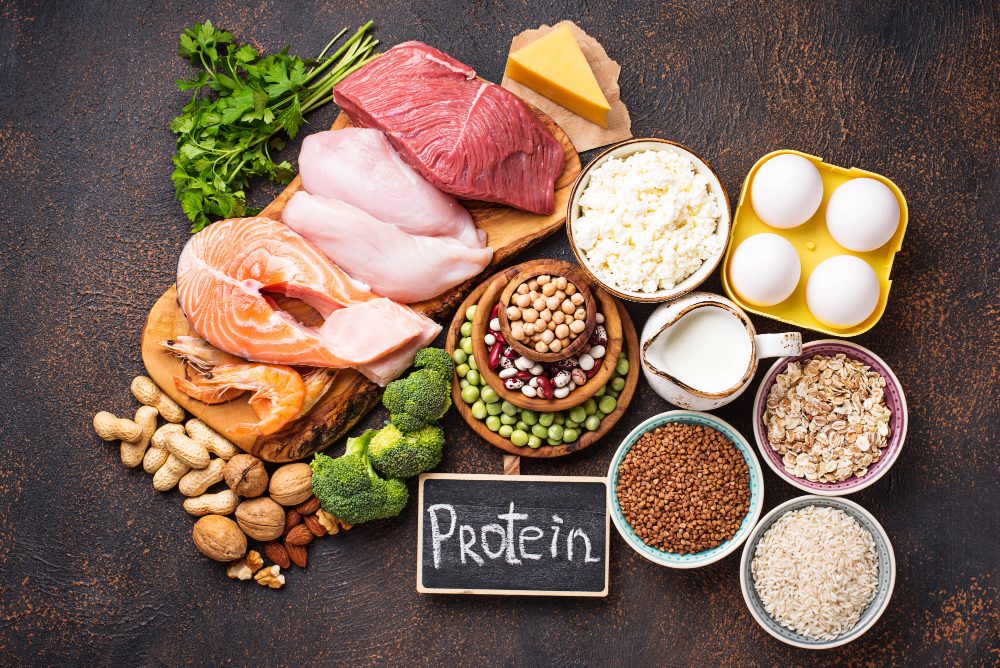
Weight loss does not always require a super restrictive diet or extreme workout routine. Sometimes the most effective way to lose weight is to make small changes to your diet. One of the best natural ways to lose weight is by increasing the amount of protein in your diet.
Protein is a vital nutrient that plays numerous roles in building muscle, repairing tissue, and supporting the overall functioning of the body. However, protein can also help you achieve your goal of losing weight in a healthy and sustainable manner.
Let’s explore how protein works for weight loss and how you can include it in your daily routine.
1. Makes You Feel Full Longer
A big struggle many people have while trying to lose weight is to keep control of their appetite. Protein is much better at keeping you feeling satisfied and “full” for a longer time than carbohydrates and fats.
When you eat protein-based foods, they take longer to digest and lower the amount of a hormone called ghrelin (the appetite-stimulating hormone). Additionally, when you consume protein-based foods, this increases the number of hormones that signal your body to feel “full” or satisfied.
Increasing protein in your diet can help reduce cravings, limit snacking, and improve portion control for more effective weight loss.
2. Boosts Metabolism Naturally
Protein requires more energy from your body to digest than other nutrients. This means your body burns more calories when digesting protein than when digesting fats or carbohydrates. This is called the “thermic effect of food.”
When you eat protein, about 20-30% of its calories are burned during digestion. For carbohydrates, it’s about 5-10%. For fats, it is only 0-3%.
By eating a greater amount of protein, you can increase the number of calories burned naturally during your day without putting in additional effort.
3. Reduces Cravings and Emotional Eating
Cravings, especially for sugary foods and junk food, are also a major reason why many people struggle to lose weight. Protein helps to keep your blood sugar levels steady. Keeping blood sugar levels stable helps to eliminate the spikes (leading to cravings) and the crashes (leading to more cravings), and protein also impacts the brain chemicals that control appetite.
Many studies indicate that a higher-protein diet helps to reduce:
- Late-night cravings
- Emotional eating
- Sugar cravings
4. Helps Preserve Muscle Mass
When you lose weight, you lose not only fat but also muscle. Preventing muscle loss is important because muscles keep your metabolism active.
Protein helps preserve lean muscle mass while you lose fat. This means:
- Your body will burn more calories while at rest.
- Your weight loss will be healthier.
- You will look toned.
5. Supports Fat Loss, Not Just Weight Loss
Focus on losing fat rather than just weight. The goal is to shed fat, not muscle or water weight.
Your body naturally uses fat for energy. When you encourage this, you protect your muscles from breaking down. Losing fat leads to better results that last longer.
6. Helps Control Calorie Intake Without Strict Dieting
Protein naturally helps control calorie intake, so you don’t have to track every meal.
When you eat protein:
- You automatically consume fewer calories.
- You are satisfied with less food.
- You are less likely to consume too many calories.
This helps with sustainable weight loss as well.
7. Improves Post-Workout Recovery
If you’re working out, you really have to put a bigger emphasis on protein.
Protein will:
- Repair your muscles
- Reduce muscle soreness
- Improve performance
Having your body recover optimally will enable you to stay on track with your fitness efforts and on track with your weight loss goals!
Best Protein Sources for Weight Loss
Having the right protein sources in your diet will greatly improve your results. Here are some of the best options:
Vegetarian Sources
- Lentils
- Chickpeas
- Paneer
- Tofu
- Greek Yogurt
- Nuts and Seeds
Non-Vegetarian Sources
- Eggs
- Chicken
- Fish
- Lean Meats
Quick Protein Additions
- Protein smoothies
- Peanut butter
- Sprouts
- Boiled eggs
How Much Protein Do You Need?
Daily protein requirements depend on how many grams of protein you eat, how much and how often you’re eating, and if you’re working out. The ideal intake of protein for healthy individuals is usually 0.8 to 1 g per kg of body weight, or 1.2 to 1.6 g of protein to support muscle gain or weight loss from exercise and diet.
For example, if you weigh 60 kg, the approximate range of daily protein intake will be 72 – 96 grams of protein, and that is assuming you’re trying to lose weight.
Ways to Increase Your Protein Intake
- Start off your day with a high-protein breakfast (eggs or paneer) or natural protein (oats with nuts).
- Add protein to each of your meals.
- Replace regular snack foods with those containing high protein.
- Have a source of protein (like meat, fish, or poultry) at dinner.
- If you need more protein throughout the day, consider using protein shakes.
Common Mistakes
- Don’t eat enough protein.
- Only eat meals that are mostly carbohydrates.
- Skip meals.
- Don’t drink enough water.
- Eating too many unhealthy protein sources (like fried foods).
Note: For effective weight loss, you should attempt to eat clean, whole foods.
Final Takeaway
Protein is considered one of the most effective nutrients for losing weight naturally. Protein can help with appetite control, increase your metabolism, decrease your cravings, and maintain muscle mass — all important factors to have success in long-term weight loss.
Rather than adhere to any form of strict diet, consider that you will be able to achieve great results from simply increasing the amount of protein you eat when you combine a balanced diet with a consistent exercise program.
FAQs
- Does protein help with belly fat loss?
Yes, protein will help reduce your total body fat, including stomach fat, because it boosts your metabolism and decreases your caloric intake.
- When should I eat protein to lose weight?
Distribute your protein intake evenly throughout the day, especially by having a high-protein breakfast and post-workout meal.
- Do I need to work out to lose weight with protein?
Yes, protein will reduce your calories naturally, but you will have greater and faster results when you combine protein with exercise.
- Can too much protein be harmful?
Yes, but in some cases, too much protein may lead to kidney problems. Stick to the recommended amounts for safe protein intake.
- What is the best type of protein to consume if you are a vegetarian?
Good sources of vegetarian protein include lentils, cottage cheese, tofu, chickpeas, and Greek yogurt.
- Will protein help with cravings?
Yes, protein helps modulate your blood sugar levels so that there are fewer cravings because it decreases the amount of hunger hormones in your body.
- Will protein shakes help with weight loss?
Yes, but protein shakes are only effective if you use them properly. Protein shakes can help you control your appetite and manage your calorie intake.
- When will I start to see results from my weight loss using protein?
If consumed in conjunction with a balanced diet and healthy lifestyle, you should see results within a few weeks.
Recommended Reads
No Gym, No Problem: 7 Most Effective Types of Walks For Weight LossKeto Gummies: A Delicious Way To Lose Weight
(The article is written by Deepa Sarkar, Medical Writer, and reviewed by Monalisa Deka, Deputy Manager, Clinical Health & Content, Medical Affairs)