
In India, people often dismiss ‘afternoon lethargy’ as a normal part of life. We blame the heavy rajma-chawal or a bad night’s sleep. But summer fatigue isn’t just about being exhausted; it’s a physical reaction to heat. That reaction can lead to burnout, brain fog, and a weak immune system. If someone is reaching for your fourth cup of chai, it’s time to stop surviving and start thriving. By leaning into simple, science-backed daily habits, you can help your body cope with the heat and keep your “internal battery” charged.
As we observe World Health Day, there’s no better time to tackle a silent energy drainer hitting Indian households: Summer Fatigue. This year, the World Health Organization’s (WHO) theme, “Together for health, stand with science” [1], calls for evidence-based wellness. The most immediate “science” we all need is how to survive 40°C heat without feeling like a zombie.
Why Summer Fatigue Hits Harder Than We Expect

Think about the daily routine in peak summer. Stepping out into harsh heat, sweating more than usual, drinking water, moving between AC and outdoor humidity, but still feeling tired. What’s happening inside the body is simple. We lose fluids and electrolytes. Our body spends more energy cooling itself. Dehydration slowly builds up; energy levels drop, and it doesn’t always feel like ‘dehydration’. It feels like laziness, low mood, or lack of focus.
7 Daily Habits to Stop Summer Fatigue
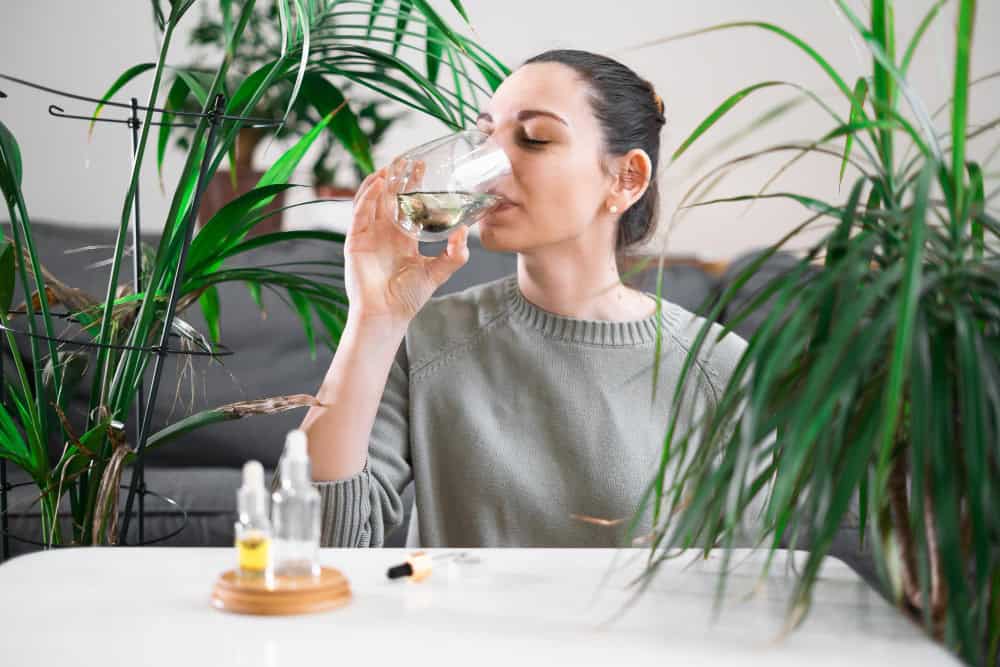 According to Dr. Anuj Saini, Medical Expert at TATA 1mg, “Summer fatigue isn’t something to fight. It’s something to listen to. The body asks for hydration, nourishment, and rest; when we answer with small, consistent habits, energy follows. No extreme interventions required.”
1. The ‘Pre-Hydration’ Rule
By the time someone feels thirsty, we are already 2% dehydrated, and our mental performance has already declined [2].
The Indian Fix: Don’t wait for thirst. Drink a glass of water every hour on the hour. Tap into traditional wisdom. Infuse the water with vetiver (khus), fennel seeds (saunf), or a slice of cucumber. These are naturally “cooling” and make plain water less boring to drink.
2. Master The ‘Salt-Water’ Balance
We sweat out more than just water; we lose essential minerals like sodium, potassium, and magnesium. This is why plain water often isn’t enough to stop the “weakness” people feel in their legs.
The Habit: Include a “natural electrolyte” in your mid-morning routine. A glass of fresh buttermilk (chaas) with a pinch of rock salt (kala namak) and roasted cumin is the ultimate fatigue-killer. The salt helps cells hold onto water, and probiotics keep the gut from overheating.
3. Eat ‘High-Water’ Meals
Digesting a heavy, oily meal generates internal heat (thermogenesis), which adds to the summer stress. This is why we feel like sleeping for three hours after a heavy lunch.
The Swap: Focus on “liquid-heavy” grains and vegetables. Switch from dry parathas to dalia, khichdi, or curd rice. Pack your plate with hydrating veggies, such as bottle gourds, ridge gourds, and cucumbers. They provide hydration from within while being gentle on the stomach.
4. The ‘Shadow’ Rule for Sun Exposure
The peak UV index in India usually occurs between 11 AM and 4 PM. During these hours, the heat doesn’t just tan us; it can physically drain our glycogen stores.
The Fix: Follow the shadow rule. If the shadow is shorter than the body, stay indoors. If someone must go out, carry a damp cotton handkerchief and wipe the pulse points (wrists and neck). This mimics the cooling effect of sweat without dehydrating.
5. The ‘Circadian’ Afternoon Power Nap
In the Mediterranean and parts of Southern India, the “siesta” (power nap) is a health ritual, not laziness. In extreme heat, our body naturally wants to slow down in the afternoon.
The Habit: A 20-minute “power nap” between 2 PM and 3 PM. Keep it under 30 minutes. Anything longer puts us into deep sleep, leaving us feeling “groggy” and ruining our night’s rest. A quick shut-eye resets the nervous system and clears the morning’s “heat fog”.
6. Magnesium for Muscle Recovery
Summer cramps are often a sign of magnesium deficiency, which is common when we sweat excessively. Eat a handful of soaked almonds or pumpkin seeds in the evening.
Why it works: Magnesium helps muscles relax and supports energy production at a cellular level. It’s the difference between waking up feeling “stiff” and waking up feeling “rested”.
7. Rethink The Caffeine Cycle
Chai is an emotion, but in summer, it’s a diuretic. It makes us pee more, leading to more dehydration. Plus, the sugar crash after a sweet cup of tea is a one-way ticket to fatigue. Instead, switch the afternoon chai for sattu sharbat or coconut water.
The Benefit: Sattu (roasted gram flour) is known as the “poor man’s protein” [3] in India, but it’s actually a high-fiber, low-GI energy drink that keeps you fuelled for hours without the caffeine jitters.
Final Takeaway
Universal health starts with the small, daily choices we make. This World Health Day, let’s commit to listening to our bodies. Summer fatigue isn’t a badge of honour for ‘working hard’—it’s a signal that our body needs balance. By prioritizing hydration, light meals, and smart recovery, we can keep our energy high even when the sun is at its peak.
FAQs
Q. Why do we feel more tired in the office AC than we do at home?
This is “Dry Fatigue.” Air conditioners strip the moisture from the air, dehydrating our skin and respiratory tract. Keep a bottle of water on the desk and use a hydrating face mist to stay alert.
Q. Does eating ice cream help cool down the body?
Actually, no. The high fat and sugar content in ice cream requires a lot of energy to digest, which can actually increase our core body temperature. For a real cooling effect, stick to frozen fruit pops or chilled curd.
Q. Can I take Vitamin B12 supplements for summer fatigue?
While B12 is essential for energy, summer fatigue is usually caused by heat stress and dehydration. However, if your fatigue is accompanied by tingling in your hands or feet, consult a doctor.
Q. Is cold water better than room-temperature water for hydration?
Cold water is absorbed slightly faster by the stomach and helps bring down the core temperature quickly. However, in Ayurveda, “ice-cold” water is thought to dampen digestive fire. So, the middle ground is to have matka (clay pot) water. It’s naturally cool, alkaline, and incredibly refreshing.
Q. Why do people get headaches every evening in the summer?
This is a classic sign of heat exhaustion. If someone gets a headache, stop all activity, drink an ORS or coconut water, and place a cool cloth on their forehead.
Q. If someone feels ‘drained’ but not thirsty, should they still drink water?
Yes. In dry heat, people may lose water without feeling thirsty. If someone feels tired or dizzy, their body already needs fluids—don’t wait.
Q. Does a cold, aerated drink or cola actually cool us down?
Not really. Cola may feel cooling briefly, but sugar and caffeine can dehydrate us. Try fresh lime soda for a better option.
References
1. World Health Day 2026. https://www.who.int/campaigns/world-health-day/2026.
2. Riebl SK, Davy BM. The hydration equation. ACSMʼs Health & Fitness Journal. 2013;17(6):21-28. doi:10.1249/fit.0b013e3182a9570f
3. Vilas DS, Sandeep KC, Vilas DV. Development and Evaluation of Value Enriched Sattu Mix for under nutrition. International Journal of Current Microbiology and Applied Sciences. 2024;13(4):63-69. doi:10.20546/ijcmas.2024.1304.008
(The article is written by Sneha Jajoo, Intern, Clinical Health & Content, and is reviewed by Dr.Subita Alagh, Assistant Team Lead, Disease Content.)