
Summer is typically associated with vacations, playing outside, eating frozen treats, traveling, and spending more time outdoors. However, for many parents, summer also means the onset of a troublesome seasonal condition – summer diarrhea in kids.
A few instances of loose stool can seem manageable. However, since kids lose fluids faster than adults, it’s important to act promptly and calmly—simple measures can help avoid dehydration and keep your child comfortable.
Many parents find themselves confused about what they should do:
- Is ORS (Oral Rehydration Solution) supposed to be started right away?
- Should I stop giving food to my child?
- When to call the doctor?
Parents can help their child recover and know when to call a doctor for professional help by being able to spot the signs of diarrhea early in kids.
What Causes More Diarrhea In A Child During Summer Months?

There are many reasons why stomach illness is more prevalent during the summer months.
Common causes include:
- Eating contaminated food
- Improperly storing food in the heat
- Drinking unsafe tap water
- Bacteria are growing due to the heat
- Food variances when travelling
- Viral infections of the stomach
- Increased consumption of packaged drinks and outside food
Children may forget to wash their hands while playing outside, increasing their
risk of developing gastrointestinal illness.
What Is Diarrhea?
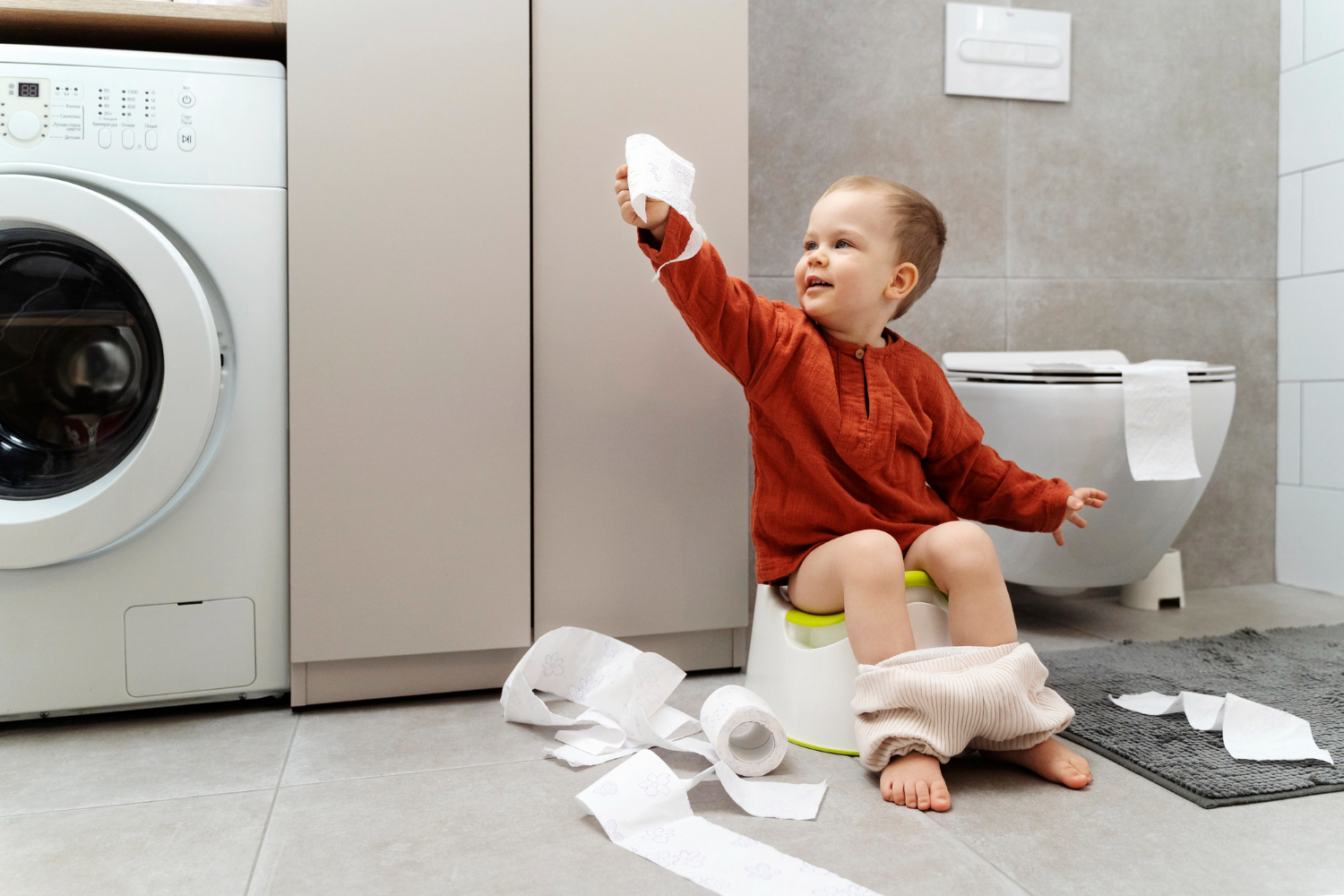 Diarrhea typically refers to passing more stool than normal, and having a greater proportion of your stool be loose or watery.
Some children may also have other symptoms, such as:
- Mild abdominal discomfort
- Slight abdominal pain
- Decreased appetite
- Vomiting
- Extreme fatigue
- Fever
An isolated loose stool, by itself, does not imply a child is ill.
Why Is Dehydration The Major Concern?
The biggest risk during diarrhea is often fluid and electrolyte loss.
The child usually:
- Loses water
- Loses sodium
- Loses potassium
Children are more susceptible to dehydration the younger they are.
Watch for signs of dehydration, like:
- Dry lips
- Less than usual urination
- More than usual tiredness
- More than usual fussiness
- Crying without tears
- Sunken eyes
- Extreme thirst
When Should You Give ORS To Your Child?
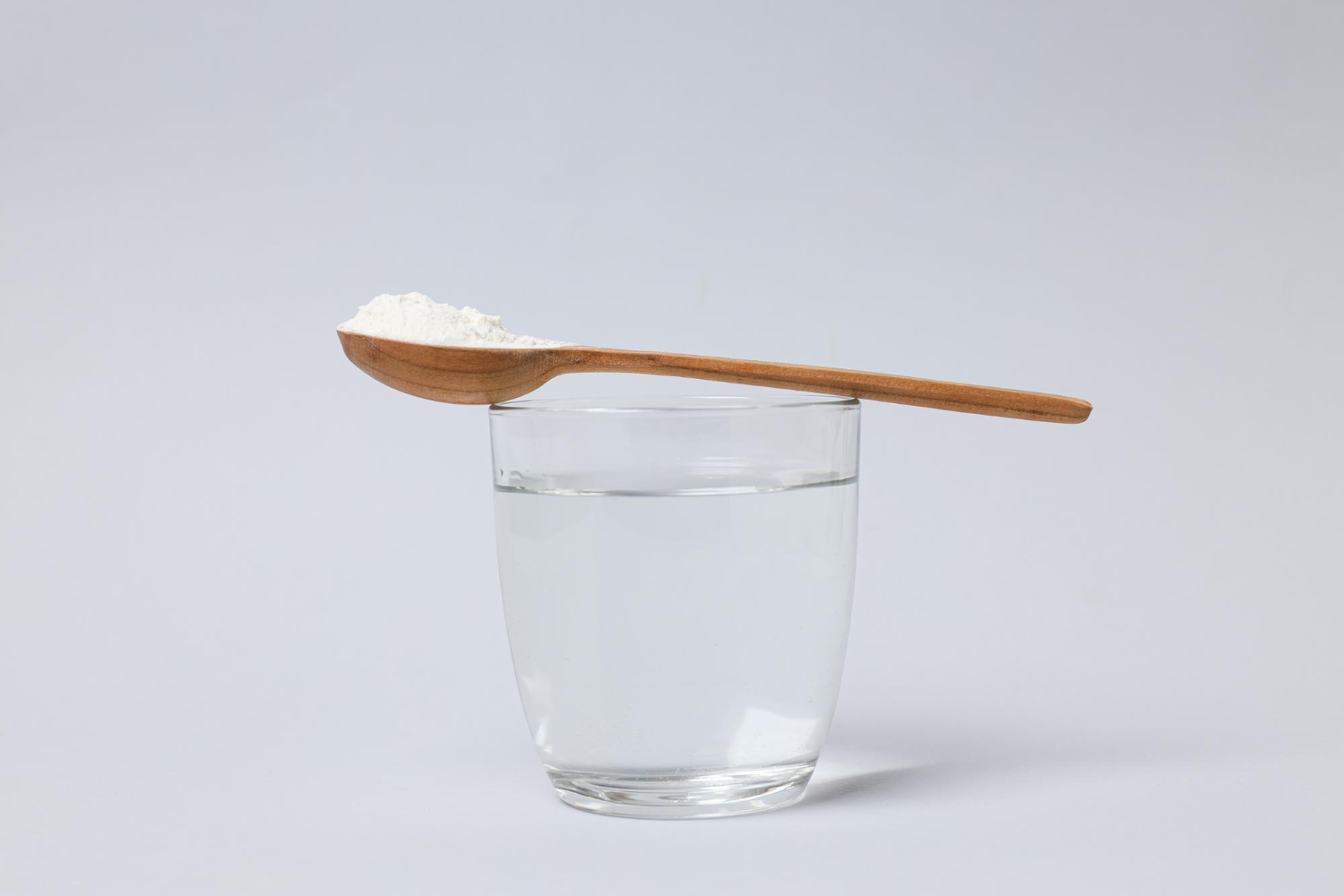
ORS (oral rehydration solution) replaces all the fluids/salt lost when you have diarrhea. For rehydration, choose a WHO-recommended ORS instead of packaged electrolyte drinks.
Dr. Subita Alagh, Medical Expert at TATA 1mg, shares that “Parents often focus only on stopping loose motions, but maintaining hydration is usually one of the most important early priorities.”
ORS may be considered:
- When the child starts to have loose stools
- If milder dehydration is suspected
- The child is hydrated enough to take fluids.
- The child loses fluids through vomiting and diarrhea.
Offer small, frequent sips rather than a larger amount that would not be tolerated.
If your child does not take in a large amount, he/she may accept taking ORS via a spoon better.
Tips For Giving ORS Effectively
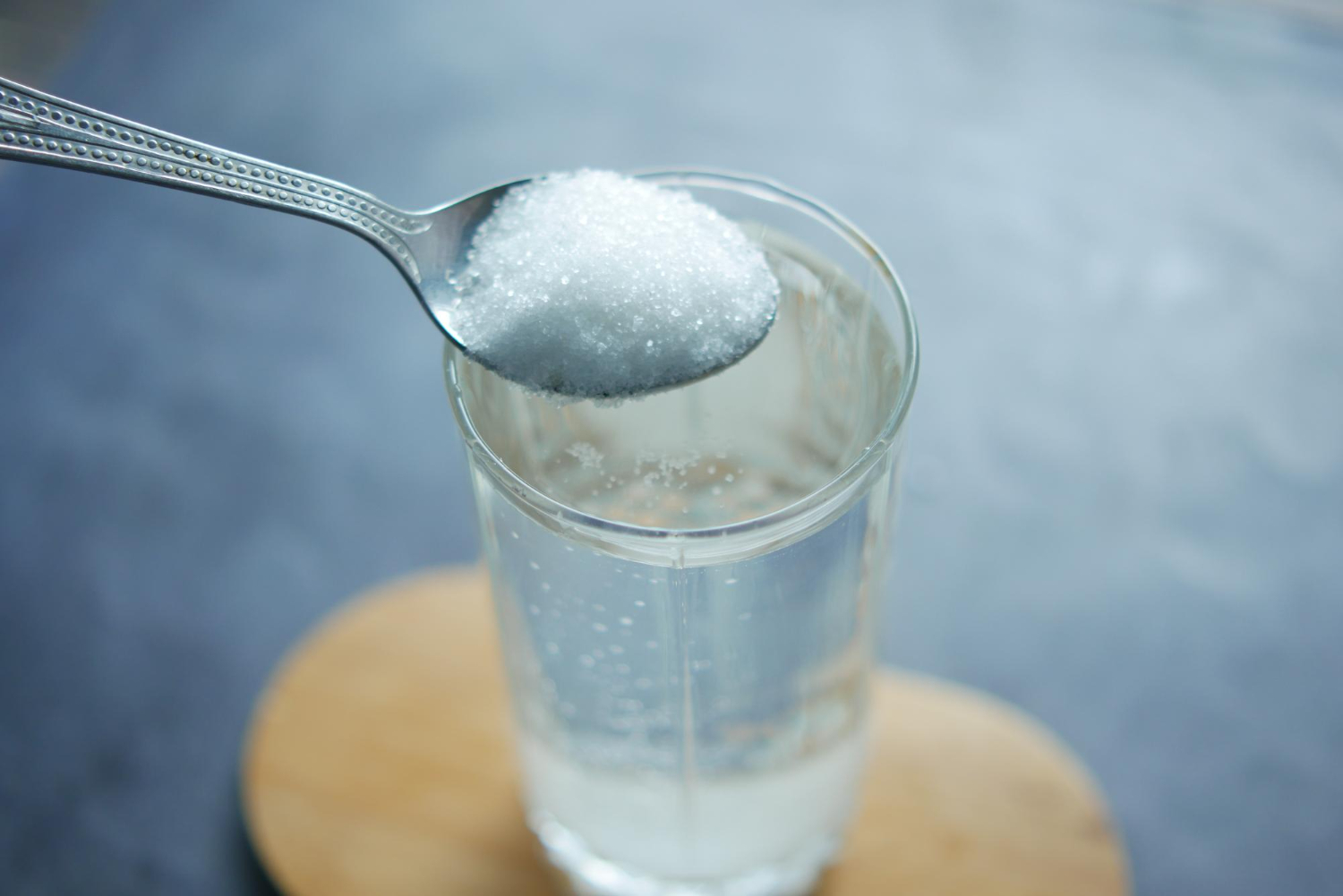
- Make the ORS according to the package instructions without any modifications.
- Do not make the ORS mix more concentrated than recommended.
- Offer small amounts of the ORS often.
- Feed your child according to their age as well.
- Discard any unused portions of ORS leftovers according to the package instructions.
You should not replace the ORS with:
- Soft drinks
- Energy drinks
- Fruit juices
They do not help replace lost electrolytes adequately.
Should You Stop Feeding During Diarrhea?
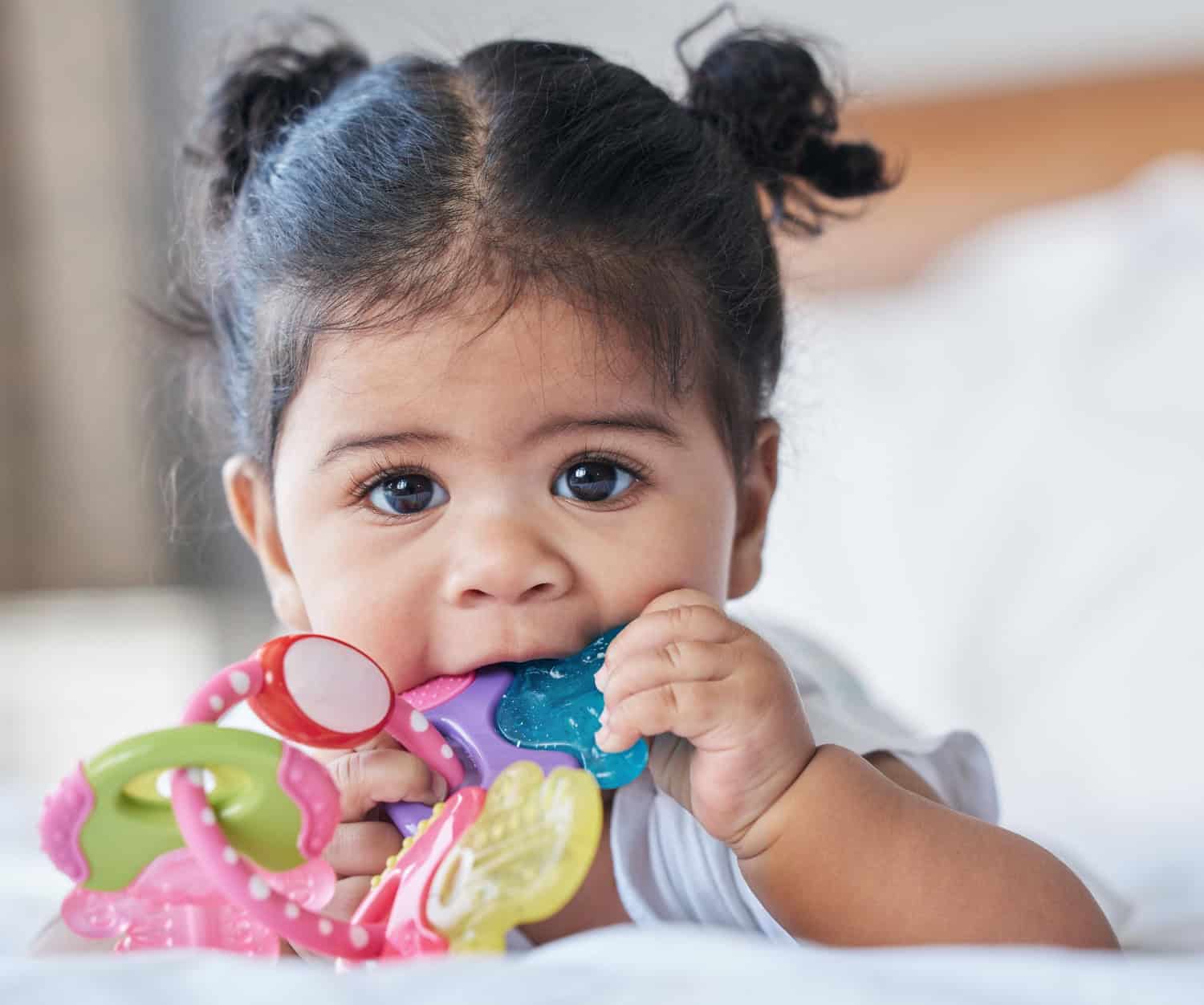
Do not stop feeding your child while they have diarrhea; it is untrue that many children can’t eat solid food while they have diarrhea. Most children can continue to eat age-appropriate food while they have diarrhea, and wholesome food options would include:
- Rice
- Banana
- Yogurt
- Well-cooked soft foods
- Soups or broths
- Young infants should continue to be breastfed normally.
Avoid forcing food, but prolonged fasting is generally not preferred.
When Should Parents Seek A Doctor?
 The majority of children with simple fungal/viral infections of the gastrointestinal tract will get better with only oral rehydration and supportive care. However, several situations should prompt you to contact your child’s physician:
- Signs of dehydration
- Blood found in the stool
- Persistent vomiting
- High fever
- Non-compliance with drinking fluids
- Severe abdominal pain
- Reduced urine output
- Accompanying significant and prolonged symptoms
- Excessive sleepiness or atypical behavior
When Diarrhea Becomes An Emergency?

It may be important for you to seek emergency medical attention if your child is:
- Unusually lethargic or weak.
- Unable to keep liquids down.
- Has a dry mouth.
- It is difficult to wake up.
- Exhibiting rapid respiratory rates.
- Has persistent, severe symptoms.
Trust your instincts if you feel your child needs immediate medical assistance.
Dr. Subita adds, “Parents know their child’s normal behavior best. If a child suddenly becomes unusually sleepy, inactive, or stops drinking, timely evaluation becomes important.”
Summer Habits That May Help Lower Risk
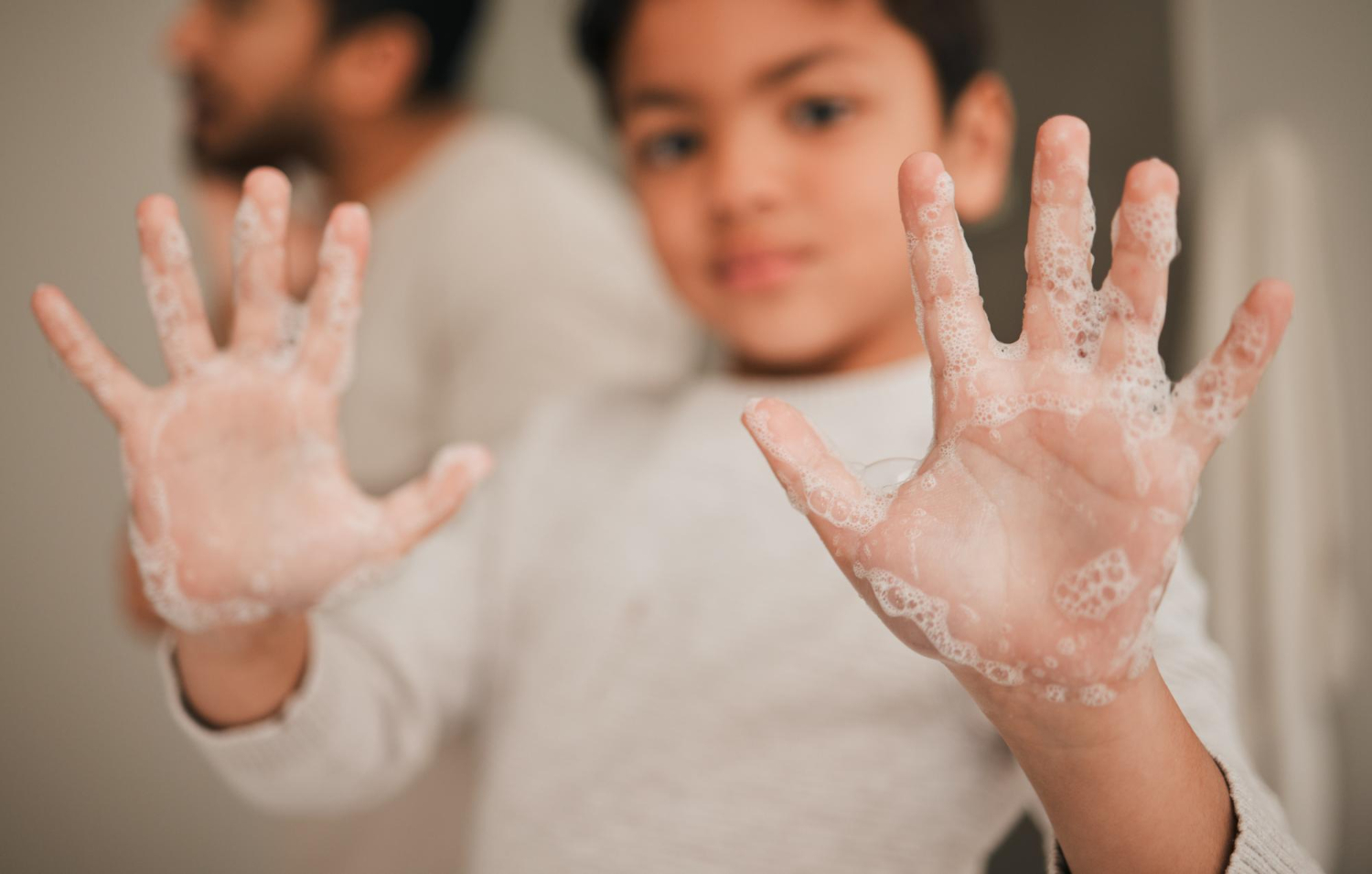
Simple, yet helpful, daily habits can reduce your risk of developing a stomach infection.
- Wash your hands before eating and after you have been playing outside.
- Drink safe, clean drinking water, especially while traveling.
- Choose freshly prepared foods instead of those stored or kept in hot areas for long periods.
- Wash all fruits thoroughly to avoid any potential bacteria.
- Clean lunch boxes or drink bottles to avoid the buildup of bacteria.
- Limit your child’s exposure to street food; this is especially important for younger children.
Common Mistakes Parents Often Make
The following is a list of common mistakes parents make.
- Not giving fluids for too long before providing them.
- Not giving food at all.
- Giving medicines to children casually without the advice of a qualified physician.
- Only giving them sugary beverages.
- Not realizing they have been urinating less than normal.
- Assuming that diarrhea can never be a serious problem.
The sooner you commence giving fluids to your child, the faster recovery will occur.
Final Takeaway
 Children can very often experience an increase in diarrhea throughout the summer months; some children may be diagnosed with viral (or bacterial) infections of the stomach with milder symptoms than others. Therefore, most parents need to keep their child’s hydration at optimal levels while also making sure they give them as many calories as they are able to consume (i.e., caloric density appropriate for their age) to support their ability to recover from dehydration.
WHO-recommended oral rehydration solutions can also be great for your child to rehydrate from lost fluids associated with loose bowel movements or diarrhea; however, parents should also look for other indicators, such as decreased urination, lethargy, vomiting, or not being able to drink.
If you have further questions or concerns regarding your child’s injury, please contact your child’s pediatrician. He/She will be able to make recommendations as to how you can assist in your child’s recovery and also ensure their safe and comfortable recovery.
FAQs
- What are the causes of summer diarrhea in children?
Some common causes of stomach infections include: heat, contaminated food, unclean water, and viruses. Additionally, children can develop a cold due to poor sanitation practices.
- At what time should you give your child ORS?
ORS should be given when your child starts having loose stools, and or you feel they may be losing too much fluid.
- Can a child eat during diarrhea?
Children can generally continue to eat age-appropriate foods unless instructed otherwise.
- Are bananas good for children with diarrhea?
Bananas are one of the foods often included in bland diets during recovery from diarrhea.
- Is it necessary to withhold milk from a child with diarrhea?
Whether or not to restrict milk depends upon the age and circumstances of your child.
- What signs should I look for that may indicate my child is dehydrated?
Signs of dehydration may include a dry mouth, decreased urine production, fatigue, and excessive thirst.
- Can I replace ORS with juice?
Juice does not provide the proper electrolyte balance and cannot replace ORS.
- When should I take my child to see a doctor?
Take your child to see a doctor if symptoms worsen, dehydration occurs, or your child refuses liquids.
(The article is written by Deepa Sarkar, Senior Medical Writer, and reviewed by Monalisa Deka, Deputy Manager, Clinical Health & Content, Medical Affairs)