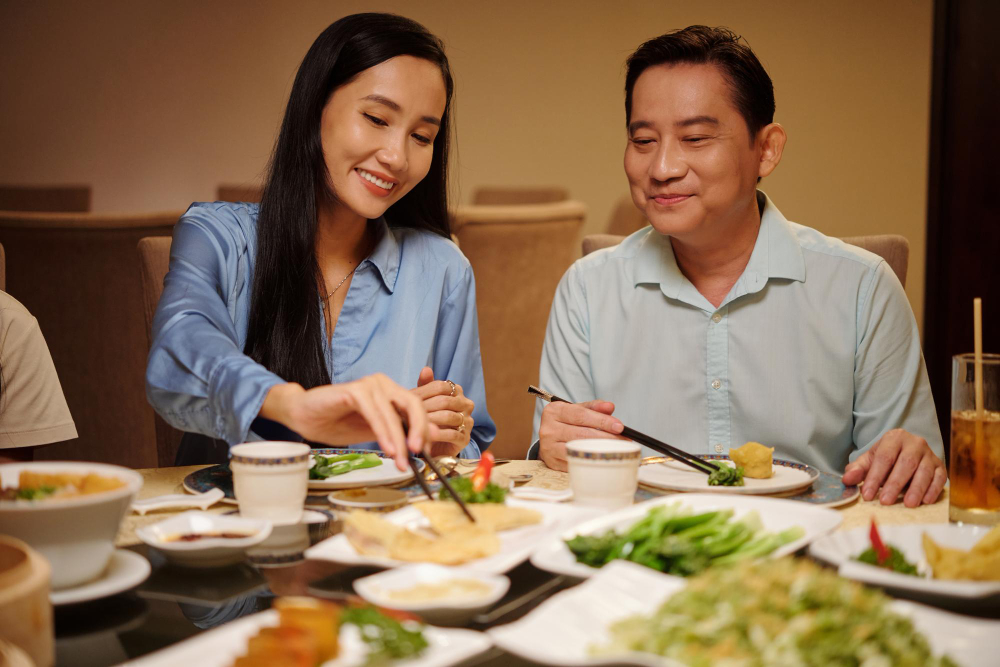
Meals can be tricky when you are trying to manage blood sugar. You want something light but still filling; comforting but not too heavy; or something healthy but not complicated after a long day. That is where Japanese-style meals offer an interesting shift, as they are not about restrictions but about balance, portion control, and simplicity. The best part? You don’t need to cook complicated dishes or find rare ingredients. With a few small tweaks, these recipes for blood sugar control can easily fit into an Indian kitchen.
How Do Japanese-style Recipes for Blood Sugar Control Work
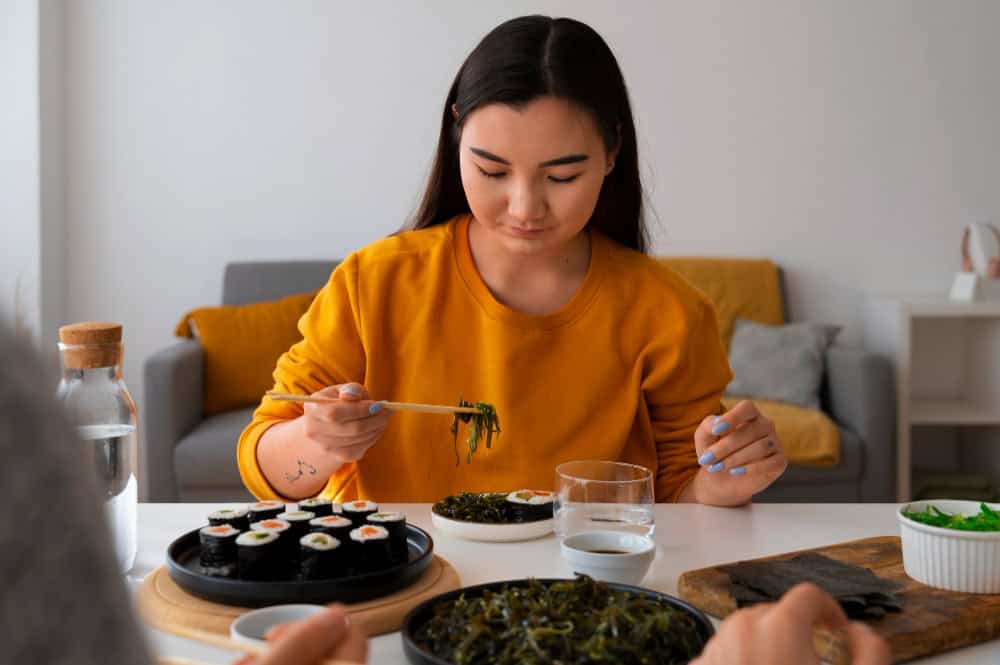
The Japanese diet is naturally high in resistant starch and lean proteins, which may support better diabetes management. Unlike the heavy ‘Carb-on-Carb’ nature of many meals, Japanese meals focus on a ‘One Soup, Three Sides’ (Ichigyu Sansai) balance.
- Glucose Blunting: Japanese cooking uses vinegar and fermented foods (like Miso). Studies suggest this can improve insulin sensitivity and reduce post-meal blood sugar spikes [1].
- The Power of ‘Cold’ Carbs: The Japanese often eat rice that has been slightly cooled. This process increases resistant starch, which doesn’t spike blood sugar as rapidly as steaming hot white rice.
The Core Idea: Balance Your Plate, Don’t Overload It
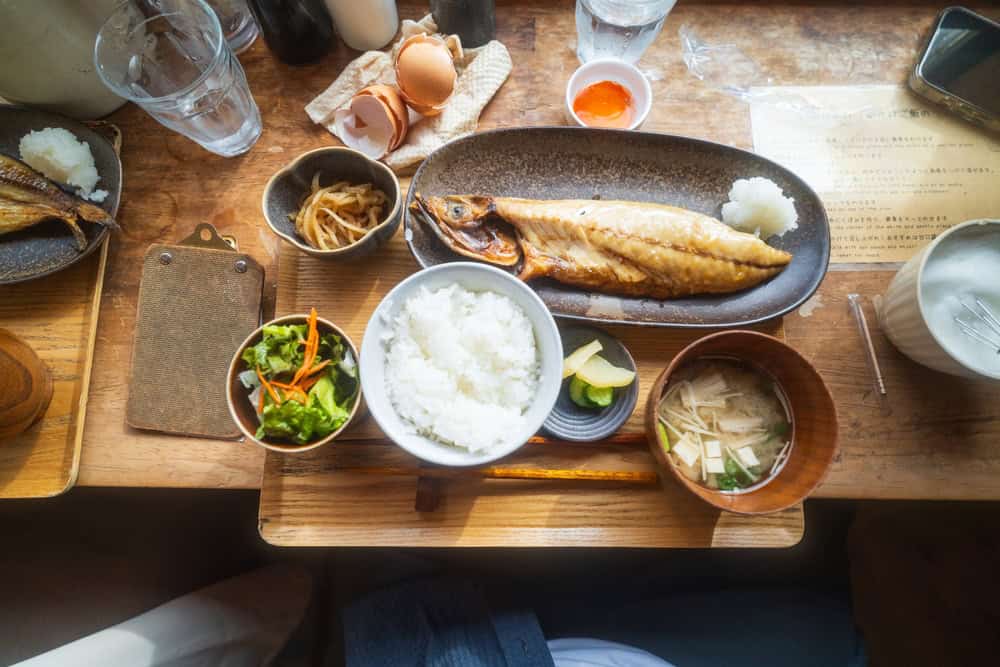
Instead of focusing on what to avoid, Japanese-style recipes for blood sugar control focus on how to build your plate. A simple way to build a plate is one portion of protein, one portion of vegetables, and a smaller portion of carbs. This structure is simple but very effective for blood sugar control.
6 Japanese-inspired Dinner Recipes for Blood Sugar Control
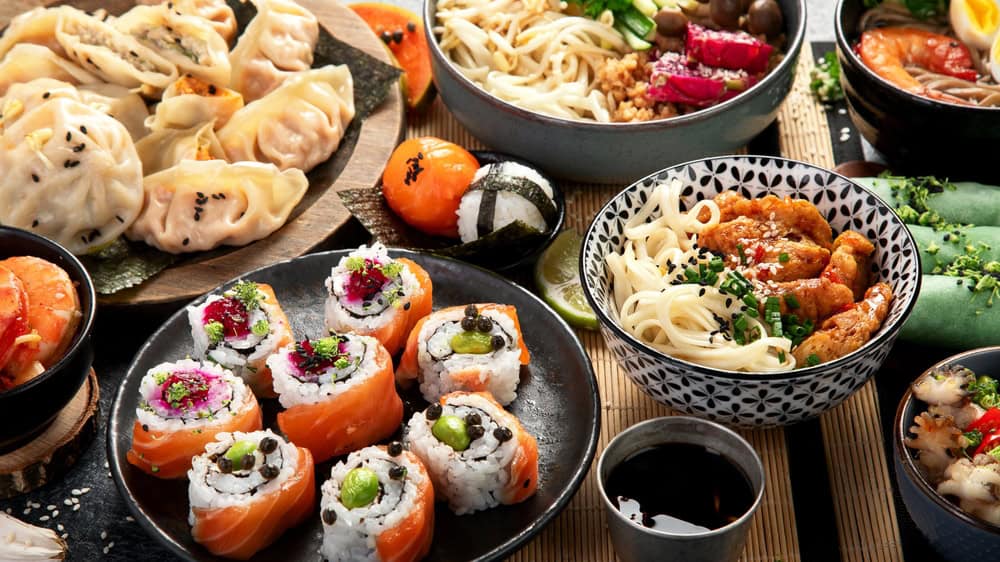
1. The ‘Indianized’ Miso Soup with Tofu
Miso is a fermented soybean paste that is a probiotic powerhouse. While traditional Miso uses seaweed, you can use fresh coriander and chopped beans to match the Indian palate.
Fermented foods improve gut health, and a healthy gut is directly linked to better glucose metabolism. Have this small bowl of soup before your main meal. The liquid and fiber can help you feel fuller and prevent you from overeating the main course.
2. Teriyaki-Style Grilled Fish or Paneer
Traditional Teriyaki is loaded with sugar, but you can make a diabetic-friendly skinny Teriyaki. Just use stevia or skip sweeteners altogether. Rely on soy sauce, ginger, and garlic for flavour. You can also add proteins such as fatty fish (like mackerel or bangda) or firm paneer. Lean protein slows the digestion of any carbohydrates on your plate. This can help keep your blood sugar steady through the night.
3. ‘Okonoymiaki’ (The Japanese Savoury Pancake)
This is essentially the Japanese version of our chilla or uttapam, but packed with cabbage. Use besan (Gram Flour) or oat flour as the base. The secret is that the pancake is 70% shredded cabbage and only 30% batter. It tastes remarkably similar to a vegetable pakora but is grilled with minimal oil. Cabbage is high in fiber and extremely low on the Glycemic Index, making this recipe diabetes-friendly.
4. Soba Noodles with Stir-Fried Veggies
If you crave noodles but fear the spike that can be caused by maida, Soba is your answer. These noodles are made from buckwheat (kuttu), which is technically a seed, not a grain. Buckwheat is a ‘slow-release’ carb that is a better alternative to refined flour noodles for people with diabetes. For an Indian touch, toss these noodles with bell peppers, broccoli, and a hint of green chilli and roasted sesame seeds.
5. ‘Hiyayakko’ (Chilled Silken Tofu) with Desi Tadka
A staple Japanese summer dinner that is incredibly cooling for the Indian heat. Use fresh, soft tofu. Instead of just soy sauce, give it a light desi touch with roasted cumin (jeera) and chopped green chillies. Tofu is a good source of protein with zero cholesterol and a very low glycemic load, making it a diabetes-friendly option.
6. Grilled Chicken or Soya Chunks ‘Yakitori’
Yakitori simply means “skewered meat”. It is the ultimate low-carb, high-protein dinner. Marinate chicken pieces or soaked soya chunks in soy sauce, lemon juice, and a pinch of black pepper. Grill until charred (a little burnt). It is basically a Japanese-style tikka. Alternate the protein on the skewer with big chunks of capsicum and onion to increase your vegetable intake.
Small Habits That Make These Recipes for Blood Sugar Control More Effective
Even the best meals won’t help if habits are not aligned. Try to eat dinner early (by 7–8 PM if possible), but eat slowly, and avoid overeating, even if the food is healthy. You can also go for a short walk after dinner. All these small changes can significantly improve blood sugar control over time.
Where Most People Go Wrong: The ‘White Rice’ Habit
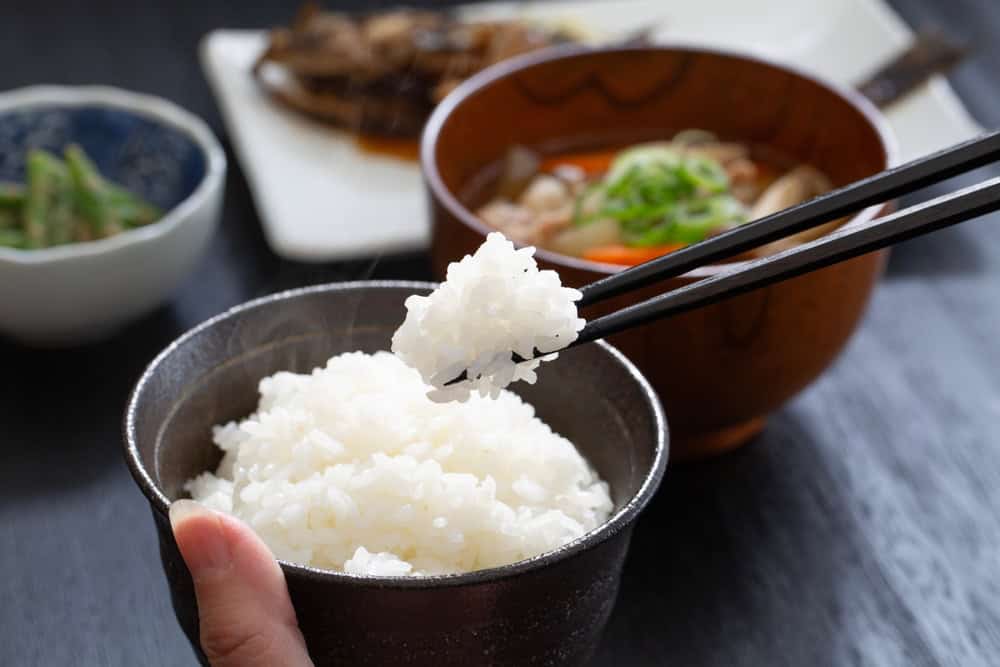
In India, dinner is often synonymous with a large mound of white rice. This is where the Japanese ‘small bowl’ culture can save and support your blood sugar levels.
The Strategy: The ‘Zosui’ Method
Instead of a heap of plain rice, try making Zosui (Japanese Rice Soup). You use a very small portion of cooked rice (about half a cup) and simmer it with plenty of vegetable broth, spinach, and an egg or tofu. You get a large, comforting bowl of food that feels like a heavy dinner but contains only 1/3rd of the carbs. The concept is simple: you are hydrating the grain, which makes it more filling without increasing the calorie count.
The ‘Zen’ of Dinner
You don’t have to fight your willpower to manage your diabetes; you can enjoy the journey of flavor. By following the Japanese focus on freshness, fermentation, and fiber, you might be giving your pancreas a much-needed break. It is not about copying everything; it’s about figuring out what works and making it work for you.
FAQs
Q1. Is Japanese food too ‘bland’ for the Indian palate?
Not at all. Umami is the Japanese flavor that comes from mushrooms, tomatoes, and fermented sauces. By adding ginger, garlic, and green chillies, you can easily bridge the gap between ‘zen’ and ‘zesty’.
Q2. Can you use regular Basmati rice for these recipes?
If you have diabetes, brown rice or hand-pounded (kutai) rice is better. However, the Japanese trick is to cook your rice, let it cool completely, and then reheat it slightly. This creates resistant starch, which is much kinder to your blood sugar.
Q3. If someone can’t find miso in their local market, what is the alternative?
If miso is unavailable, you can mimic the probiotic benefits. Have a small bowl of unsweetened curd (dahi) or a glass of chaas with your meal. For the flavor, a dash of soy sauce and ginger-garlic paste works wonders.
Q4. Is soy sauce safe for people with diabetes?
Yes, but watch the sodium. Choose low-sodium soy sauce. High salt intake can lead to high blood pressure, which is a common complication in diabetic patients.
Q5. How soon can you see effects on my fasting sugar?
Switching to a high-protein, high-fiber dinner like miso, etc., many people notice a lower spike in sugar the very next morning. Consistency over 2–3 weeks can lead to a noticeable drop in your fasting glucose.
Q6. What is the 80% full rule in Japanese eating?
“Hara Hachi Bu” is a practice in Japanese that involves stopping your meal when you feel only 80% full. This prevents overeating, reduces stomach strain, and helps manage post-meal blood sugar spikes.
Q7. What is the best time for dinner if you have diabetes?
The ideal time for people with diabetes is to have dinner at least 2–3 hours before sleep. This allows your body to process glucose efficiently before your metabolic rate slows down during rest.
Q8. Why do Japanese meals often end with green tea instead of dessert?
Green tea, like matcha or green tea, contains compounds that may support better sugar control. Ending meals with it instead of mithai can also help curb late-night cravings and aid digestion.
Reference
1. Mitrou P, Raptis AE, Lambadiari V, et al. Vinegar decreases postprandial hyperglycemia in patients with type 1 diabetes. Diabetes Care. 2010;33(2):e27. doi:10.2337/dc09-1354
(The article is written by Sneha Jajoo, Intern, Clinical Health & Content, and is reviewed by Dr.Subita Alagh, Assistant Team Lead, Disease Content.)