Having diabetes doesn’t mean you have to say goodbye to dessert. If you have ever been in a position where you have been staring at a piece of cake thinking, “I don’t think so,” let’s work on changing that.
The bottom line is that with the right ingredients, proper portions, and a little tweaking, you can have desserts that satisfy your sweet tooth without causing your blood sugar to spike.
Nutritionist Mamta Sharma at Tata 1mg says, “Desserts can fit into a balanced diabetes diet — it’s all about thoughtful preparation”.
In this article, we explore how to create desserts that taste good and maintain glucose control, along with practical substitution tips.
What does it mean to be “diabetes-friendly”?
When it comes to dessert and diabetes, the approach is not necessarily to remove sweetness from your diet completely; instead, it’s about reducing the glycemic impact and increasing nutritional value when possible. Consider the following questions:
Are you reducing your use of refined sugars and/or high-glycemic carbs? Carbs, especially from refined sugars and flours, are a primary reason for spikes in blood sugars.
Are you using ingredients high in fibre, protein, and/or healthy fats? These ingredients are known to slow down digestion to help blunt the rise in blood sugar. One registered dietitian-reviewed article stated that eating protein and/or fibre with a dessert creates “a slower, steadier rise and fall of blood glucose than eating carbohydrates by themselves.”
Are you replacing high-dosage refined sugars and carbs with ingredients that have lower glycemic indices or using sweet foods that are naturally low? Examples would be nuts, berries, Greek yogurt, almond flour, etc.
Are you eating dessert in moderation and mindfully timing the sweet treat? Eating dessert at the same time as other foods and/or mixing portion sizes down also plays a role.
Mamta Sharma further explains, “Dessert isn’t the problem — the ingredients and timing are. Choose whole, natural ingredients or sweeteners and have your dessert in small portions, really makes a difference.”
Smart Ingredients & Dessert Swaps That Work
1. Choose Lower-Glycemic Flours & Carb Sources
Instead of the refined wheat flour most recipes call for, consider almond flour, oat flour, or chickpea (besan) flour, which generally have lower glycemic effects. They also often contain more fibre or protein. One article of lifestyle pieces published in India talks about being innovative and decreasing dessert recipes, incorporating some traditional Indian sweets like halwa, by taking out the bottle gourd and avoiding carbs.
2. Use Sweeteners Carefully
Instead of white sugar, ideas from some pieces of Indian articles go into natural sweeteners like stevia, monk fruit, erythritol, or small amounts of jaggery.
3. Add Fibres, Protein, & Healthy Fats
They slow the absorption of sugar. An example of where it might help include:
-Greek yogurt- protein
-Nuts and seeds- healthy fats & fiber
-Berries- lower sugar and fiber as aside from the berry used
4. Watch Out for Saturated Fats & Refined Carbs
While we are focused on sugar, it is also reasonable to just be more aware of not using refined flour and saturated fats, as they can lead to increased insulin resistance and poor metabolic health overall. Many lists of diabetic-friendly dessert suggestions of whole grains and less processed ingredients.
Desserts That You Will Actually Love & Can Feel Good About
Here are some dessert ideas that combine taste and cunning nutrition. You can always add
Indian flavours, if you wish.
-Greek Yogurt Parfait with Berries & Nuts: Layer plain Greek yogurt, fresh mixed berries, a sprinkle of chopped almonds or walnuts, and a drizzle of natural sweetener. The protein in the yogurt combined with the fibre in the berries makes it all balanced.
-Avocado-Cocoa Mousse: Blend ripe avocado with unsweetened cocoa powder, a natural sweetener (stevia or monk fruit), some almond milk, and vanilla. Rich, silky, and satisfying. (Similar ideas appear in lists of low-carb desserts).
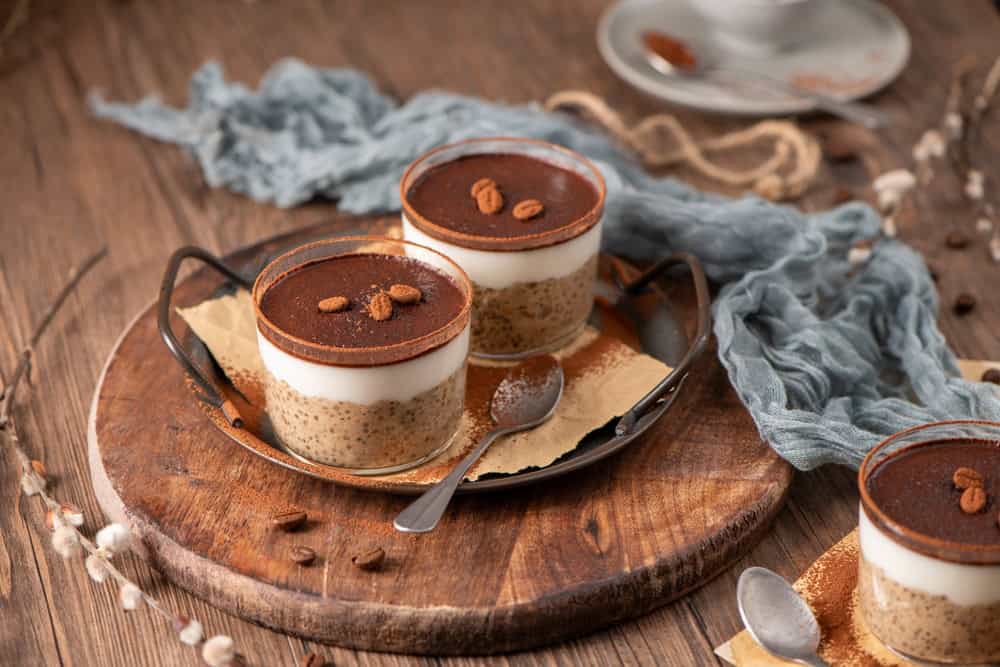
-Chia Seed Pudding with Fresh Fruit: Chia seeds are a great additive because they add fibre and healthy fats! Soak in almond milk, vanilla, natural sweetener, and fresh fruit (berries or chopped apple, for example).
-Flourless Almond Cookies or Oat-Apple Cookies: Use almond flour or oats, light sweetening if desired, bits of dark chocolate or nuts, as desired. You will see these in “22 desserts you’ll want to make forever” lists.
Suggestions for Making & Eating Them
-Begin with your portion: Serve smaller portions to help prevent unintentional over-consuming.
-Combine with variable nutrients: If you are eating dessert following a small meal containing lean proteins and vegetables, your blood sugar impact would be lower.
-Examine how your body responds: Even when eating “diabetes-friendly” desserts, everyone’s responses can vary due to many factors, including activity, stress, insulin sensitivity, etc. It is recommended to check your glucose response. One program said this outright.
-Be aware of hidden carbohydrates: Some desserts might be “sugar-free,” but can still contain ingredients with a high glycemic index, or be large portions of fruit.
-Be mindful about timing: Eating a dessert right after a meal is better than eating one on an empty stomach, as digestion/absorption typically takes place in a more buffered manner.
Final Takeaway
Diabetes management does not have to mean “dessert” feels like a dirty word. With some smart alternatives, smart ingredients, and mindful portion sizes, you can savor sweet moments without sabotaging your blood sugar objectives. The trick is to choose lower-refined carb and sugar desserts, with higher fibre and protein (or eaten alongside), and in the appropriate setting. As one expert suggests, sweets are “not necessarily off-limits, but just made to be more diabetes-friendly.”
FAQs
Q. Can someone with diabetes eat dessert every day?
Yes, in moderation, someone with diabetes can partake in dessert daily. The key is low-sugar, high-fiber, and high-protein desserts that will not raise glucose levels. Nutritionists suggest a dessert be served with or after a meal rather than eaten alone to manage glucose levels effectively.
Q. What are some safe sweeteners for diabetic desserts?
Some safe sweeteners include naturally-derived, low-calorie sweeteners such as stevia, monk fruit, erythritol, and allulose. Sugar alcohols, which do not raise blood sugar, depending on the amount used, can be safe. Wider use of honey or jaggery, in small amounts, is okay now and then. Portion control to manage carbohydrates is the determining factor behind whether a choice is safe.
Q. What flours are better for diabetes-friendly desserts?
Instead of using real flour or refined flour (maida), consider using almond flour, oat flour, coconut flour, or chickpea (besan) flour. These flours are lower on the glycemic index, high in fiber, high in protein, and allow a person with diabetes to maintain stable blood sugar levels rather than have an elevated glucose spike.
Q. What are some easy-to-make desserts?
Some delicious and healthy dessert ideas include:
-Greek yogurt parfait with berries and nuts
-Chia seed pudding made with almond milk
-Avocado-cocoa mousse
(The article is written by Deepa Sarkar, Medical Writer, and reviewed by Monalisa Deka, Senior Health Content Editor)