
Dinner is the meal where things often go off track. The day has been long. You’re tired, hungry, and not really in the mood to think about calories or portions. So what happens? A slightly heavier dinner than planned, followed by that familiar feeling—too full, slightly sluggish, and sometimes even guilty. This is exactly where the Japanese weight loss diet offers a refreshing shift. Not because it’s trendy, but because it’s built on something simple and effective: balance, portion control, and mindful eating. And you don’t need to change your entire diet; rather, you just need to rethink how your dinner looks.
The Simple Formula: Build Your Plate, Don’t Overload It
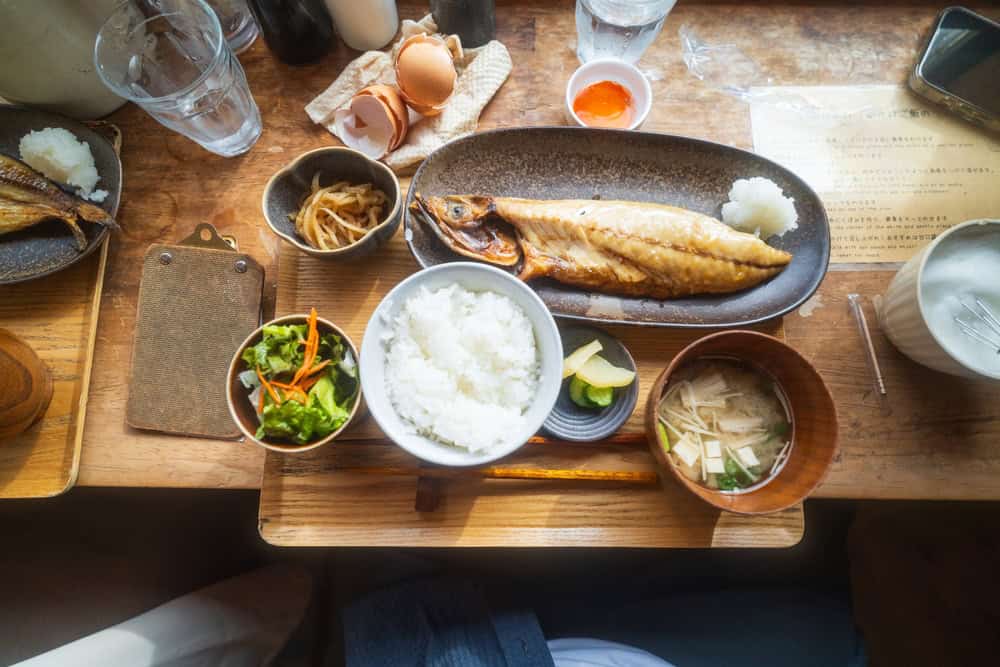
Instead of focusing on what to cut, the Japanese weight loss diet focuses on how to combine foods. A typical structure looks like:
– A source of protein
– Plenty of vegetables
– A small portion of carbs
This balance is what supports weight loss—not extreme restrictions.
Why the Japanese Weight Loss Diet Works for Dinners
If you observe a traditional Japanese meal, it’s not about one big plate. Japanese dinners are built on the concept of “Ichiju Sansai” (One soup, three sides). This structure works well for weight loss because it focuses on smaller portions, variety, balanced nutrients, and light cooking methods. This naturally helps:
– Prevent overeating
– Improve digestion
– Keep you full without heaviness
In other words, you eat enough—but not too much.
Japanese Weight Loss Diet with 7 Easy Recipes to Get Started
1. Miso Soup with Stir-Fried Vegetables
In Japan, Miso soup is a light, comforting start that may support digestion and feels like a complete meal. Use miso paste or a homemade fermented bean paste to start.
Why Miso Soup with Stir-fry Vegetables Works:
Miso soup slows down eating, and veggies add volume without excess calories. Starting with a warm, fermented liquid can prepare your gut for better digestion and reduce the amount of food you’ll eventually consume.
Indian-friendly Tweak: If miso is unavailable, a warm, spiced chaas (Buttermilk) with ginger and curry leaves can offer similar probiotic benefits. You can also use vegetables like beans, lauki, or carrots for an Indian touch.
2. Shirataki-Style Zucchini Noodles (Zoodles)
Traditional ramen is a carbohydrate-overloaded option. In Japan, Shirataki (zero-calorie yam noodles) is the weight-loss king. Briefly sauté these “noodles” with soy sauce, garlic, and plenty of mushrooms.
Why Shirataki-Style Zucchini Noodles Work:
– High fiber keeps you full
– Low-carbs prevents overeating
– You get a massive bowl of zucchini noodles with very few calories, compared to wheat noodles.
Desi Tweak: If you don’t have zucchini, try bottle gourd. Use a peeler to make long ribbons of zucchini or lauki (Bottle Gourd).
3. Sushi Bowl (Brown Rice Version)
A type of sushi bowl that requires no rolling. Just add a small portion of brown rice and place some of your favourite veggies, like cucumber, carrots, and avocado.
Why the Brown Rice Sushi Bowl Works:
You control portions easily while keeping the meal balanced.
4. Tofu/Paneer Stir Fry with Sesame
A really quick and practical meal option is to have tofu or paneer stir-fry with sesame seeds. Just mix some vegetables along with paneer or tofu and add a light soy-sesame dressing.
Why Tofu Stir-fry with Sesame Works:
Meals like tofu stir-fry are a combination of protein and fibre that may help reduce late-night cravings.
5. ‘Gari’ (Pickled Ginger) and Grilled Chicken/Soya Chunks
Serve your protein with a side of homemade pickled ginger (ginger slices soaked in vinegar and a pinch of salt).
Why Gari and Grilled Chicken/Soya Chunks Work:
Ginger may help support digestion and satiety. Eating it alongside protein like grilled chicken or soya chunks can help you feel satisfied for a longer time.
6. Napa Cabbage Wraps
Instead of using rotis or tortillas, use the large, crunchy leaves of cabbage or lettuce if available. Fill steamed cabbage leaves with a mixture of sprouted moong, ginger, and garlic. Roll them up like patra, but without the heavy gram flour coating.
Why Napa Cabbage Wraps Work:
By making and having these napa cabbage wraps, you reduce your refined flour calorie intake. This also adds a massive dose of Vitamin C and fiber.
7. Chawanmushi (Japanese Savoury Custard)
This is a steamed egg dish that is incredibly light yet high in protein. Whisk an egg with a bit of water (or vegetable stock) and steam it in a small bowl with peas and bits of carrot.
Why Chawanmushi Works:
Chawanmushi has a silky, melt-in-the-mouth texture that feels like a cheat meal but is actually lean protein. This recipe is good for minimizing overeating, and lean protein can also satisfy satiety.
What Makes a Japanese Weight Loss Diet Different From a Typical Dinner

A regular dinner often becomes carb-heavy, with multiple rotis, rice, and limited protein. Japanese-style dinners shift the focus to more vegetables, adequate protein, and smaller carb portions. That is the real change—not the cuisine itself.
Bottom Line
If your dinners often feel heavy or leave you uncomfortable, it might be time to rethink—not restrict. Japanese-style meals show that weight loss doesn’t have to feel forced. It can feel balanced, practical, and easy to follow. And when something fits into your routine, you’re far more likely to stick with it.
FAQs
Q. What is the Japanese weight loss diet trick?
The trick is known as ‘Hara Hachi Bhu’, which is eating until you are only 80% full. This prevents overeating by allowing your brain time to register satiety.
Q. Can you lose weight while still eating rice for dinner?
The simple answer is yes, as the Japanese eat rice every day. The trick is the portion. Use a small bowl of rice, and pair it with a large bowl of vegetable-rich soup and protein.
Q. Is Japanese food expensive to make in India?
Not at all. You don’t need imported seaweed. The ‘soul’ of Japanese cooking is freshness, fermentation, and fiber. Local Indian vegetables like cabbage, radish (mooli), beans, and ginger are the core ingredients.
Q. Is ‘Japanese Curry’ good for weight loss?
Most Japanese curry cubes sold in stores are full of flour and fat. To make it weight-loss friendly, skip the cubes and make a base using pureed carrots and onions, spiced with turmeric and garam masala.
Q. Why is the 80% full rule (Hara Hachi Bu) so hard to follow?
In India, it’s always taught not to ‘waste food’ on the plate. Hence, to follow the 80% rule, serve yourself 20% less than you think you need. If you are still hungry after 15 minutes, you can have a second helping. Usually, the hunger disappears by then.
Q. Can you use soya chunks instead of tofu?
Yes, absolutely, as soya chunks are an excellent Indian substitute for tofu. They are high in protein and low in fat. Just ensure you squeeze out the excess water and sauté them with minimal oil and plenty of ginger-garlic paste.
Q. Can coffee really help with fat burn?
Yes. Caffeine stimulates the nervous system to break down body fat and can improve your metabolic rate, though its effectiveness decreases with long-term habituation. Hence, the Japanese use green tea (matcha) as an alternative.
(The article is written by Sneha Jajoo, Intern, Clinical Health & Content, and is reviewed by Dr.Subita Alagh, Assistant Team Lead, Disease Content.)