
If you’ve been keeping up with wellness trends, you’ve probably seen sea moss gel added to smoothies, juices, oatmeal, or even coffee. People often use it as a traditional remedy for gut health, immunity, thyroid function, skin health, and weight loss.
But sea moss isn’t a recent wellness trend. It’s a type of red algae that people in coastal communities have eaten for generations. Some varieties, like Chondrus crispus (also called Irish moss), are well known. Other products marketed as sea moss may contain other types of red algae. This is important because they may have different nutritional values.
That’s what makes the story interesting.
Sea moss contains fiber, minerals, and other bioactive compounds in it. However, a lot of claims about it can stem from laboratory, animal, or general seaweed studies not conducted specifically on sea moss.
Therefore, is sea moss worth trying? Here is what the science says.
What Is Sea Moss?

Sea moss is a term for many types of aquatic vegetation. One of the most popular species is known as Chondrus crispus, or Irish moss, and it is a red algal species found abundantly along the rocky coast of the Atlantic. This type of algae has been used throughout history to enhance food texture and ingredient content.
When dried sea moss is added to water, it will become soft and form a gel-like consistency. This is the reason why sea moss gel has gained much popularity as an ingredient for smoothies and other dishes.
Different sea moss species have different characteristics. Researchers have found many useful compounds in sea moss, especially in Chondrus crispus, but it is hard to apply the findings obtained from one species to all types of sea moss.
What Is Found In Sea Moss
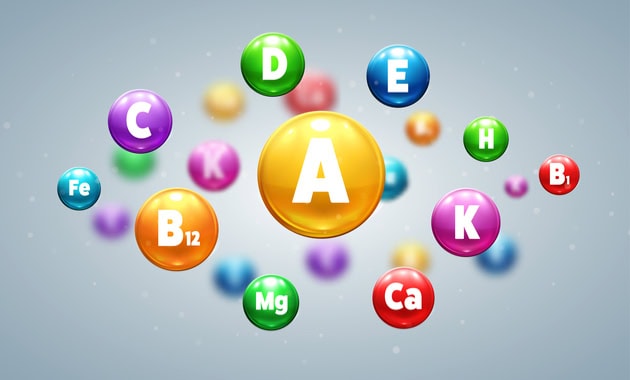
Seaweeds contain various elements and minerals, including fiber. Some types of seaweed can also contain calcium, iron, magnesium, potassium, zinc, and iodine. Seaweed also contains various polysaccharides. [1,2,3]
Studies have pointed out that Chondrus crispus contains a variety of minerals, including calcium, iron, manganese, and zinc. However, the composition of minerals may differ significantly. [3]
Particular attention should be paid to iodine. Seaweed tends to absorb iodine from seawater, and it varies from one species to another. This can be beneficial for people with low iodine consumption, but consuming too much of poorly standardized seaweed may be harmful. [4,5]
Could Help Maintain Normal Thyroid Function—Thanks To Iodine
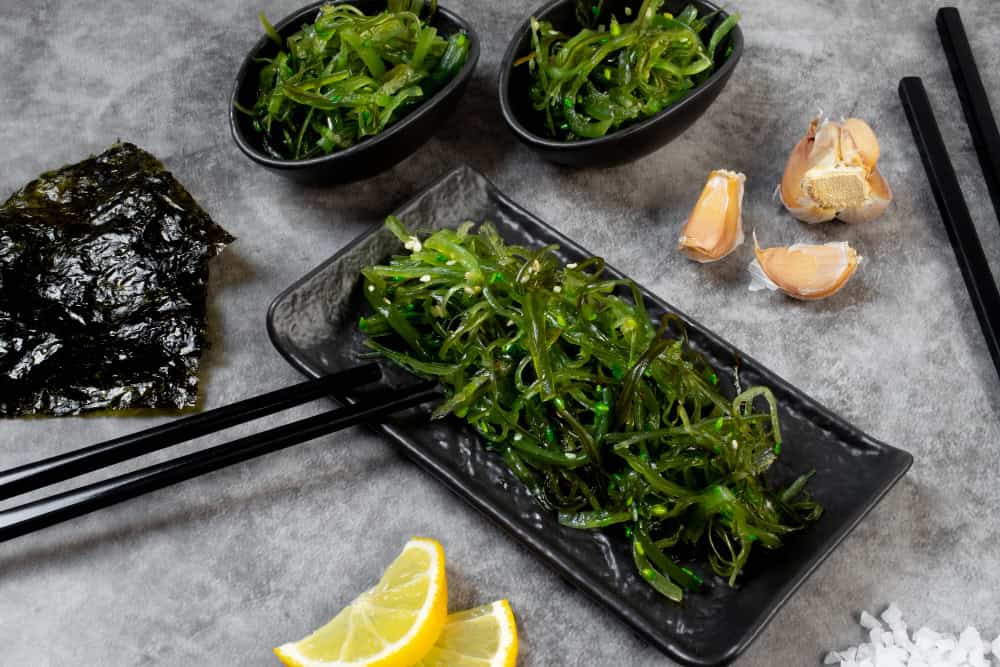
Since iodine is needed for your thyroid to produce thyroid hormones that play a role in metabolism as well as growth and development, it is no surprise that one of the most iodine-rich natural food sources is seaweed.[4] This is why sea moss is marketed as a “thyroid superfood“.
However, although sea moss can provide iodine to the human diet, there is a significant difference between supplying iodine and treating thyroid disorders.
Sea moss may supply iodine to your diet, but not enough clinical evidence exists to recommend it for treating any condition such as hypothyroidism. In fact, high levels of iodine can negatively affect the function of the thyroid.
For adults, the acceptable maximum daily intake of iodine stands at 1,100 mcg/day from diet and supplements. Research shows major differences in the iodine content of different types of seaweed, including Irish moss.[5]
May Have Potential For Gut Health
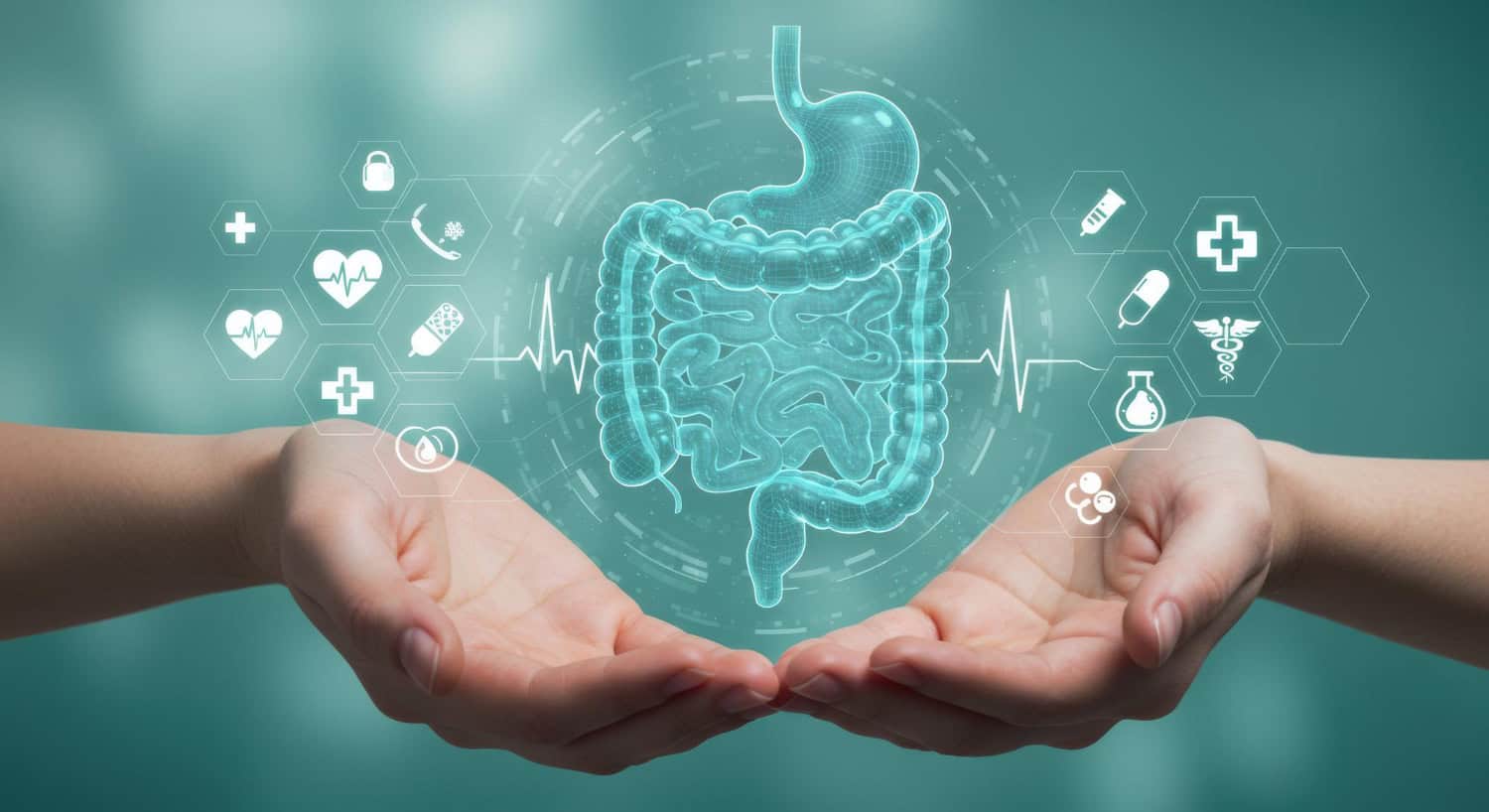
Among the various areas of sea moss breeding research, gut health could be the most intriguing one.
Seaweed is composed of complex polysaccharide carbohydrates, which serve as dietary fibers. The concern is that some of those polysaccharide substances can penetrate into the intestines and affect the microorganisms in the gut. Laboratory and animal studies show that certain seaweed polysaccharides can affect the gut microflora.
Nonetheless, it should be noted that the majority of experiments were performed using isolated seaweed compounds.
The studies indicate that the evidence regarding sea moss use is growing. According to the review of 25 experiments conducted on randomized individuals, seaweed consumption has some positive impact on metabolic processes, although the studies vary significantly from one another and include many cases with potential biases. At the same time, the authors indicate that clinical evidence related to red seaweed is quite low.[6]
All in all, sea moss may be a promising source of fiber, but it is better to refrain from concluding that it is a reliable treatment for gut health.
What Does Immunity Imply?

There are numerous instances where sea moss is said to “enhance immunity.”
Sea moss has minerals and bioactive substances that can play a role in normal bodily processes, including immunity. Scientific studies on the Chondrus genus suggest that the latter has antioxidant, antimicrobial, and immunomodulatory properties.
In fact, an active compound has demonstrated laboratory activity, but this does not imply that it can offer health benefits to humans.
At present, there is no sufficient research to prove that consuming sea moss helps prevent any diseases or enhance immunity. As of now, one can conclude that sea moss provides substances for the body, which provide some nutrients necessary for a healthy immune system.
Does Sea Moss Help People Lose Weight?

Here is where marketing might be ahead of science. Sea moss is rich in fiber and low in calories when served as a food. Fiber helps us feel full, which may help us eat better.
But there is little robust evidence that sea moss actually helps us burn fat, increase metabolism, or shed pounds.
There is still no consistent evidence for humans overall; however, studies on seaweed consumption have been able to establish some potential positive effects regarding body weight, appetite, and metabolism markers. [7]
In other words, simply eating sea moss will not help you lose much weight if you do not make changes to your diet.
Is It Safe To Consume Sea Moss?

The moderate consumption of sea moss as food poses no danger for healthy adults. Nevertheless, there are some factors suggesting that sea moss should not be an everyday diet supplement.
Firstly, the presence of iodine in the composition of seaweeds. Seaweeds can carry a varying amount of iodine, meaning that their over-consumption may lead to negative effects on thyroid function.
Secondly, the problem of contamination arises.
Seaweeds can accumulate harmful elements from their environment. Research has found not only useful minerals but also contamination by toxic inorganic elements like lead, arsenic, and cadmium. The amounts differ widely depending on the species and growth location.
This does not mean that seaweed is dangerous. However, it means that the source matters.
It is sensible to buy sea moss from reliable manufacturers with relevant quality control and contamination control.
Who Needs To Take Precautions When Using Sea Moss?
Sea moss is rich in iodine, so if you have thyroid problems, you should consult your doctor before adding it to your daily diet.
The same goes for those who are pregnant or nursing, those who are taking thyroid medication, or those who choose to take concentrated sea moss supplements instead of simply eating small amounts of the seaweed in their foods.
Also, if a specific product claims to provide an unreasonably high dose of sea moss, one should check the ingredient list and the nutritional information.
How Can You Incorporate Sea Moss into Your Diet?
Sea moss gel has a fairly bland taste, making it easy to blend it into other dishes.
You can use it in small quantities in:
- Smoothies
- Oatmeal
- Yogurt
- Soups
- Homemade sweets
Importantly, don’t take for granted that the more you put in, the better the result. Sea moss should be considered an addition to other food items and not a substitute for a healthy diet or a remedy for some diseases.
The Bottom Line
Sea moss is not at all a fake item, but it does not have to be regarded as a miracle food since this term is overused by people on social media nowadays.
Sea moss has minerals, dietary fiber, and bioactive substances, and it is well known for its optimal level of iodine, which helps produce hormones in normal amounts. Studies on polysaccharides that are sourced from seaweeds create an interest in their role in maintaining proper gut health.
Yet, there is still a huge gap between the composition of sea moss and its proven effects upon regular consumption by humans.
The most accurate evidence supports the opinion that sea moss is a sea product rich in nutrients but not a solution for all people’s health problems.
For example, its nutritional value is always different; therefore, it may be dangerous when taken in excess due to potential iodine excess and environmental toxins.
In this way, if you like sea moss, don’t hesitate to consume it in moderation, taking into account a good supplier of this product, but you should keep in mind that a spoon of sea moss gel will never replace a balanced diet.
FAQs
Q. Is sea moss actually good for you?
Sea moss has many minerals, dietary fiber, and bioactive components, but research on its exact medical application is still scarce. It is best to consume it as a food and not as a magic medicine.
Q. Does sea moss contain iodine?
Yes, seaweeds are one of the richest sources of iodine, although the levels differ between different species and products.
Q. Can sea moss help with thyroid problems?
Sea moss contains iodine, an essential element that the thyroid utilizes to produce hormones. However, it can’t be used to cure thyroid disorders, and excess of it can be harmful.
Q. Does sea moss improve gut health?
Seaweeds have polysaccharides that may benefit gut bacteria. Nevertheless, most studies confirm this claim only in vitro or in animals, while research on humans is very limited.
Q. Does sea moss aid in reducing weight?
There is insufficient evidence to indicate that sea moss promotes weight loss or helps burn fats in any way. Its possible advantages are potentially linked to its nutritional and fiber content as part of a healthy diet.
Q. Is sea moss consumption safe on a daily basis?
Regular use of sea moss may prove to be risky in large doses as iodine content may vary considerably. People suffering from problems of the thyroid gland should seek medical help prior to the regular consumption of this algae.
Q. Does sea moss contain toxins?
Yes, seaweeds are capable of absorbing heavy metals, like arsenic, for instance.
Q. What is the best way of sea moss intake?
Sea moss is to be eaten in small quantities in various dishes – smoothies, porridge, yogurt or soups. Make sure to get the products from trustworthy sources and avoid thinking that consuming more sea moss will result in a greater number of benefits.
References
- MacArtain P, Gill CI, Brooks M, Campbell R, Rowland IR. Nutritional value of edible seaweeds. Nutr Rev. 2007;65(12 Pt 1):535-43. doi:10.1111/j.1753-4887.2007.tb00278.x.
- Choudhary B, Chauhan OP, Mishra A. An update on the chemical constituents and biological properties of selected species of an underpinned genus of red algae: Chondrus. Mar Drugs. 2024;22(1):54. doi:10.3390/md22010054.
- Čmiková N, Kowalczewski PŁ, Kmiecik D, Tomczak A, Drożdżyńska A, Ślachciński M, et al. Seaweed nutritional value and bioactive properties: insights from Ascophyllum nodosum, Palmaria palmata, and Chondrus crispus. Life (Basel). 2024;14(11):1522. doi:10.3390/life14111522.
- National Institutes of Health, Office of Dietary Supplements. Iodine: fact sheet for health professionals [Internet]. Bethesda (MD): National Institutes of Health; [cited 2026 Sep 16]. Available from: https://ods.od.nih.gov/factsheets/Iodine-HealthProfessional/
- Stévant P, Indergård E, Ólafsdóttir A, Marfaing H, Larssen WE, Fleurence J, et al. Iodine in edible seaweed, its absorption, dietary use, and relation to iodine nutrition in Arctic people. J Med Food. 2019;22(4):352-60. doi:10.1089/jmf.2018.0187.
- Choi J, et al. Effects of whole seaweed consumption on humans: current evidence from randomized-controlled intervention trials, knowledge gaps, and limitations. Nutrients. 2023;15(16):3601. doi:10.3390/nu15163601.
- Cherry P, Wood PL, McMullen JP, Howarth GS, O’Hara C, McSorley EM, et al. Seaweed components as potential modulators of the gut microbiota. Mar Drugs. 2021;19(7):358. doi:10.3390/md19070358.
(The article is written by Deepa Sarkar, Senior Medical Writer, and reviewed by Monalisa Deka, Deputy Manager, Clinical Health & Content, Medical Affairs)