
For most of us, guava is the ultimate nostalgia fruit. Just the thought of it brings back memories of school afternoons, waiting for the street vendor to slice up a crisp, green guava and sprinkle it with a generous pinch of red chili powder and salt. This crunchy, sweet-tart fruit has quietly been a part of our memories and diet for years. But because of its humble appearance, wide availability, and low price, people often take its qualities for granted. The truth is, guava packs various amazing health benefits thanks to its high dietary fiber, low glycemic index, and the presence of other nutrients. So, what exactly makes this simple fruit stand out, and why do nutrition experts often recommend including it in a balanced diet? Let’s find out.
Why Is Guava So Special?

Guava might look plain, but its nutrient profile is anything but. One medium-sized guava gives you more vitamin C than two whole oranges, which makes it a genuine boost for your immune system. It is also rich in dietary fibre, something most Indian diets fall short on, and this fibre supports digestion while keeping you full for longer. Add to that a healthy dose of potassium, which helps regulate blood pressure, and folate, which plays a role in cell repair and growth. What makes guava stand out even more is that it delivers all this in a low-calorie package. So while you get vitamins, minerals, and fibre working together, you are not loading up on excess sugar or empty calories. That is a rare combination for any fruit to offer.
Health Benefits of Guava You Should Know
Guava is not just a tasty fruit; it is a nutritional powerhouse that supports your body in ways most people never realize. [1] From your immune system to your gut, here is how this humble fruit works in your favour.
Low Glycemic Index & Blood Sugar Management
Despite tasting sweet, guava is actually great for blood sugar control. It has a low glycemic index, so instead of flooding your bloodstream with sugar, it releases it gradually. The high fibre content adds to this effect, slowing down how fast carbs get absorbed in your gut. There is even research on guava leaf tea showing it can meaningfully lower blood sugar spikes after meals, which is worth trying if you are someone who tends to feel sluggish after eating. [2] [3]
Facilitates Smooth digestion
If you struggle with sluggish digestion or irregular bowel movements, a single guava can work wonders. It is one of the richest fruit sources of dietary fiber available, providing about twelve percent of your recommended daily intake in one serving. Eating the crunchy seeds also acts as an excellent natural laxative. This fiber content helps clean out your digestive tract, prevents uncomfortable bloating, and feeds the good bacteria residing in your gut.
Strengthens Immunity
One guava can give you more vitamin C than two oranges combined. That is not a small margin. Vitamin C is your immune system’s best friend; it helps your body build up defenses against everyday infections and colds. It will not cure a cold overnight, but studies have found it can cut down recovery time and make symptoms feel less brutal. Eating guava regularly is basically giving your immune system a quiet backup.
Supports Heart Health
The unique mix of nutrients in guava helps keep your cardiovascular system running efficiently. It is loaded with potassium and soluble fiber, which work together to regulate blood pressure and improve overall cholesterol profiles by gently lowering “bad” LDL cholesterol. Additionally, the potent antioxidants found in the pink varieties help prevent cell damage within your blood vessels, lowering long-term risks of cardiovascular strain. [4]
Keeps You Full for Longer
Ever eat something that makes you hungry again in an hour? Guava tends to do it differently. Due to its high fiber content and high water content, guava tends to digest slowly, helping you feel satisfied for longer. This can help you avoid frequent snacking or eating too much between meals. If you’re looking to manage your weight, it’s an easy change to swap out processed snacks for fresh fruits like guava, and it can make a difference over time.
Pink vs. White Guava: Which One is Actually Healthier for You?
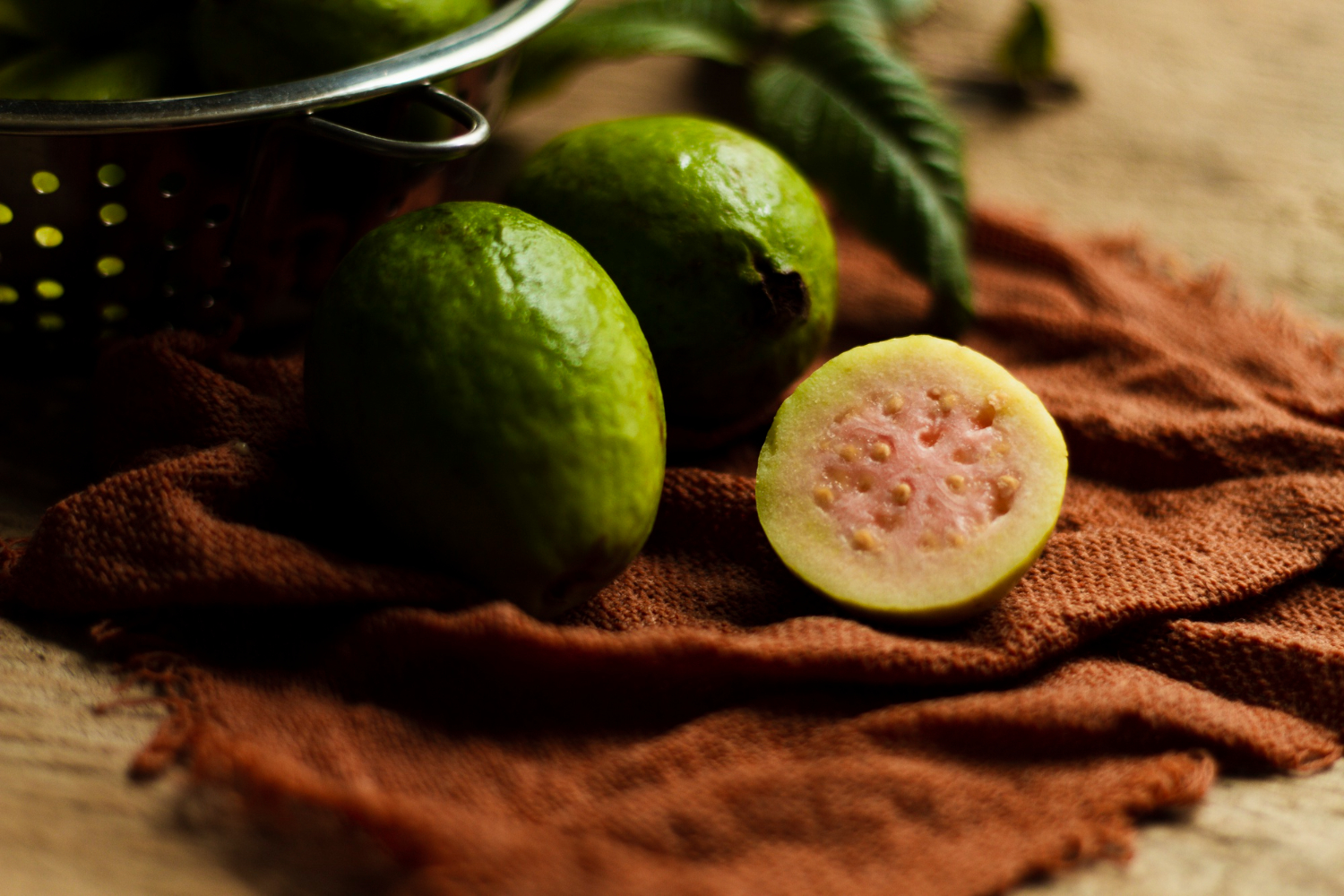
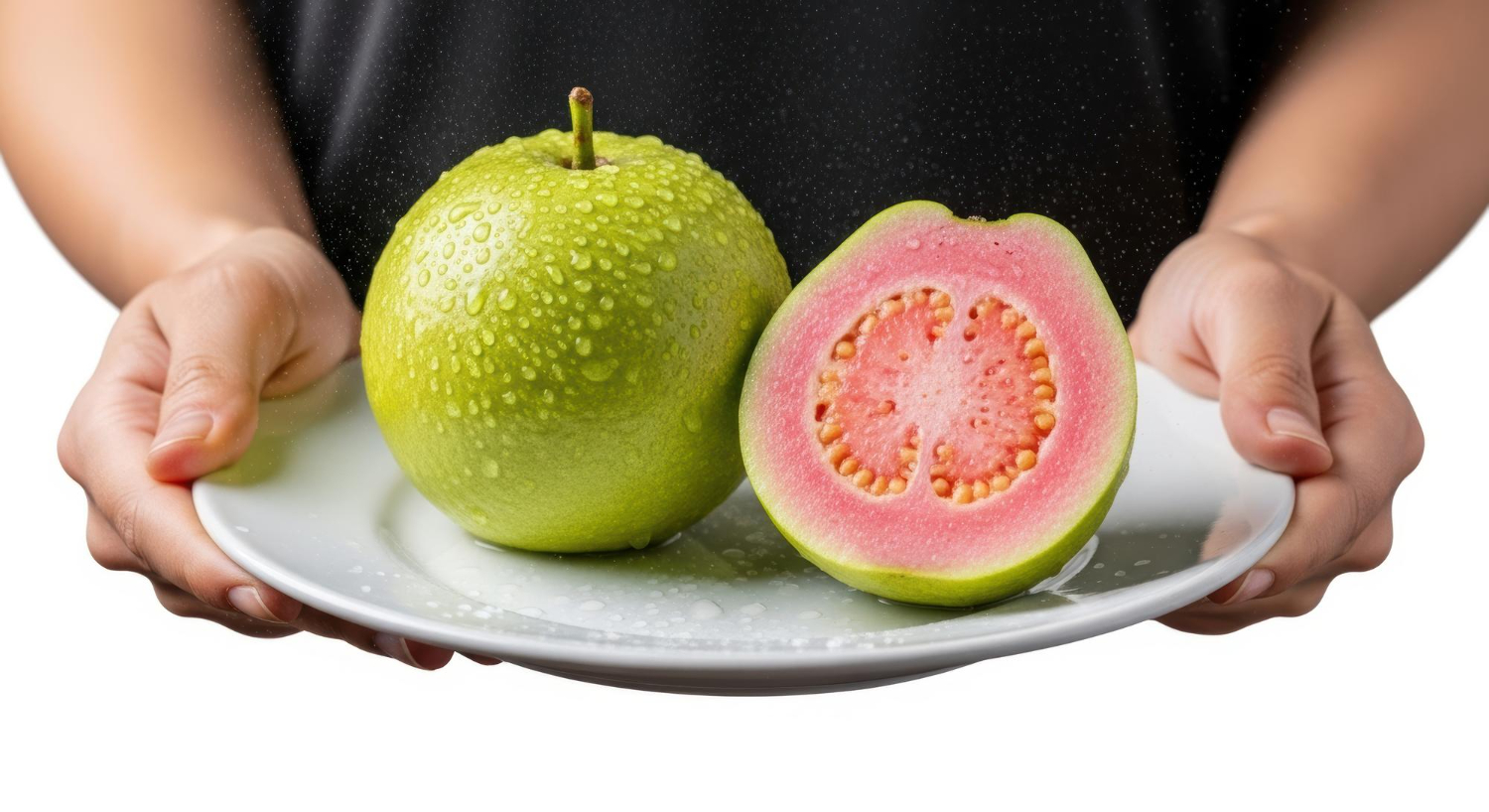
When you cut open a guava, the thing you usually see is a creamy white or pink interior. They have that same sweet-tart flavor, but the differences run a little deeper than looks. White guavas tend to be firmer, crisper and contain slightly higher levels of vitamin C and dietary fiber.
On the flip side, the striking color of pink guava comes from lycopene, the same powerful antioxidant found in tomatoes and watermelons. Pink guavas also tend to be juicier, softer, and to carry a more intense tropical aroma. Ultimately, neither variety is “better” than the other; white guava gives you a bit more digestive support, while pink guava offers superior cellular protection against inflammation. Whichever one you pick up, your body wins.
Is It Safe to Eat Guava Every Single Day?
For the vast majority of people, making this crunchy fruit a daily habit is perfectly safe and highly recommended. Since it naturally comes with a very low calorie count, you do not have to worry about unwanted weight gain from eating it regularly. However, because it is so densely packed with dietary fiber, you should probably watch your portions if your digestive system is not used to a high-fiber diet. Eating too many guavas in one sitting could leave you feeling bloated or uncomfortable.
You also need to be a little mindful of the seeds. While they are completely edible and actually great for digestion, they are quite hard. If you have sensitive teeth or existing dental issues, chew them carefully. Other than those minor details, enjoying one or two a day is a fantastic and safe way to support your health.
FAQs
Is it good to eat guava every day?
Yes, eating one or two guavas daily is great for digestion and boosts your immune system naturally.
What is the best time to eat guava?
The best time is during the day as a mid-morning snack to avoid any nighttime bloating.
Is it okay to eat guava every day?
Yes, one or two guavas a day is fine for most people and adds good fibre and vitamin C to your diet.
Does guava actually help with diabetes?
It can. Its low glycemic index means blood sugar rises slowly, making it a smarter fruit choice for diabetics.
Should guava seeds be eaten or removed?
You can eat them. The seeds are safe and add extra fibre, though some people prefer to spit them out.
References
1- Butt E, Altemimi AB, Younas A, Butt MS, Jalal M, Bhatty M, et al. Guava (Psidium guajava): a brief overview of its therapeutic and health potential. Food Chem X. 2025;31:103027.
2- Deguchi Y, Miyazaki K. Anti-hyperglycemic and anti-hyperlipidemic effects of guava leaf extract. Nutr Metab (Lond). 2010;7:9.
3- Kumari S, Rakavi R, Mangaraj M. Effect of guava in blood glucose and lipid profile in healthy human subjects: a randomized controlled study. J Clin Diagn Res. 2016;10(9):BC04-BC07.
4- Singh RB, Rastogi SS, Singh R, Ghosh S, Niaz MA. Effects of guava intake on serum total and high-density lipoprotein cholesterol levels and on systemic blood pressure. Am J Cardiol. 1992;70(15):1287-1291.
(The article is written by Ehsan Siddiqui, Team Lead and reviewed by Monalisa Deka, Deputy Manager, Clinical Health & Content, Medical Affairs)
Recommended Reads:
5 Fermented Foods For Gut Health That You Should Have Before Winter
From Leftovers to Superfood: The Health Power of Fermented Rice