
You’ll find all three sitting in the dairy section or your fridge: Greek yogurt, regular yogurt, and the humble bowl of homemade curd. They look similar, taste somewhat similar, and all come from fermented milk. So, are they really that different?
Yes, but not in the way social media often makes it seem.
The biggest differences come from how they’re made, how much water or whey is removed, their protein content, texture, and, in some cases, the types of live cultures they contain.
Regular yogurt and curd are also quite close nutritionally, while Greek yogurt is usually thicker and more protein-rich because it’s strained.
So, which one should you eat? That depends on what you want from your bowl of dairy. Here’s what actually sets them apart.
What Is Regular Yogurt?

Regular yogurt is made by fermenting milk with bacterial cultures. During fermentation, these bacteria convert some of the milk sugar, or lactose, into lactic acid. That gives yogurt its familiar tangy taste and thick texture.
It can be made from whole, low-fat, or skimmed milk. You’ll also find plain, sweetened, and flavored versions.
Nutritionally, plain yogurt provides protein, calcium, and other nutrients found in milk. Some products are also fortified with vitamin D.
The catch? Flavored yogurt can contain a surprising amount of added sugar. If you’re eating yogurt regularly, plain yogurt is usually the easier choice for keeping added sugar under control.
What Is Greek Yogurt?

Greek yogurt starts much like regular yogurt. The major difference comes after fermentation.
It’s strained to remove some of the whey and water. This makes it thicker and more concentrated.
Because some of the liquid is removed, Greek yogurt generally contains more protein per spoonful than regular yogurt. That can make it useful when you’re trying to add more protein to breakfast or a snack.
Its thick texture also makes it easy to use instead of cream in some recipes.
But there’s a detail worth checking on the label. Not every product marketed as “Greek-style” is made in exactly the same way. Some products may use added milk proteins or other ingredients to create a thicker texture. So, if protein is your main reason for buying it, check the nutrition label rather than relying only on the name.
And What About Indian Curd?
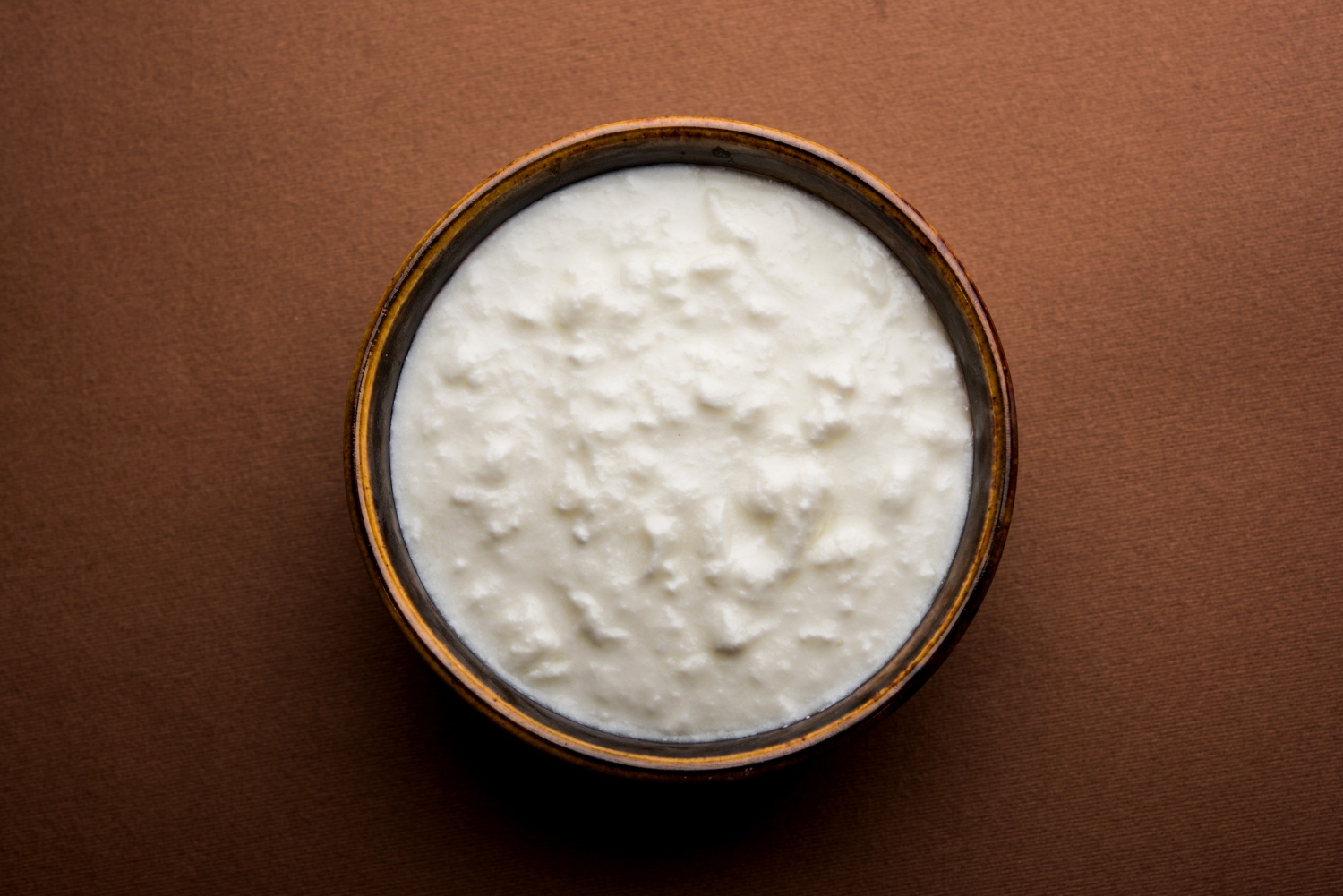
Indian curd, or dahi, is made by fermenting milk using a starter culture from a previous batch of curd or another suitable culture.
It’s been part of Indian meals for generations. You’ll find it alongside rice, roti, paratha, pulao, and many other everyday foods. It’s also used to make raita, kadhi, marinades, and refreshing drinks such as chaas.
From a nutrition point of view, plain curd can provide protein, calcium, and other nutrients found in milk.
The exact nutritional profile can vary because homemade curd depends on the milk used, how much starter is added, fermentation conditions, and how long it is allowed to set.
Is Curd The Same As Yogurt?

Not exactly, although they’re closely related.
Both are fermented dairy foods, but the bacterial cultures, preparation methods, and fermentation conditions can differ. Commercial yogurt generally uses defined starter cultures, while homemade curd is often made using a previous batch as the starter.
That also means the bacteria present in homemade curd can vary from batch to batch.
This is one reason you shouldn’t assume that every bowl of curd or yogurt contains the same probiotic strains or provides exactly the same benefits.
Greek Yogurt vs. Regular Yogurt vs. Curd: The Biggest Differences
The easiest way to understand the three is to look at what happens to the milk.
Regular yogurt is fermented milk.
Curd is also fermented milk, traditionally prepared at home using a starter.
Greek yogurt is fermented yogurt that is then strained to remove some whey and water.
That extra straining is what gives Greek yogurt its thick texture and higher protein concentration.
Protein
Greek yogurt usually comes out ahead when protein is the main goal. Straining concentrates the solids, including protein, so a serving can provide more protein than the same amount of regular yogurt.
Regular yogurt and curd can still contribute useful amounts of protein, especially when made with milk that naturally contains more protein.
If you’re having yogurt after a workout or want a more filling breakfast, Greek yogurt may fit more easily into your meal.
Just remember that protein levels vary between brands and products. Check the label if you’re comparing specific products.
Calcium
All three can contribute calcium because they’re made from milk.
Yogurt is a source of calcium and other nutrients that support bone health.
However, you shouldn’t assume that Greek yogurt always contains exactly the same amount of calcium as regular yogurt. Processing, straining, and fortification can change the final nutrition profile.
If calcium is your priority, compare the nutrition labels of the products you actually buy.
Probiotics And Live Cultures
This is where things get a little confusing.
People often use the word “probiotic” for anything fermented. But fermentation alone doesn’t guarantee that a product contains specific probiotic strains in amounts that have a proven health effect.
Some yogurts contain live cultures, and certain probiotic strains have been studied for digestive health. The effects can vary depending on the strain and the person consuming it.
If you’re buying yogurt for its live cultures, check the label for information about live or active cultures rather than assuming every yogurt product is probiotic.
Digestion And Lactose
Here’s an interesting difference between fermented dairy foods and milk.
The fermentation process can make yogurt easier to digest for some people with lactose malabsorption.
Greek yogurt may contain less lactose than regular yogurt because some whey is removed during straining. However, the exact amount varies between products.
That doesn’t mean everyone with lactose intolerance can freely eat yogurt. Your tolerance depends on how much lactose you can handle and the product you choose.
Texture And Fullness
This is where Greek yogurt has a clear practical difference.
It’s thick, creamy, and concentrated, so a small bowl can feel more substantial. Its higher protein content may also make it a convenient option for a filling snack.
Regular yogurt is lighter and has more liquid, making it easy to mix into smoothies or drinkable preparations.
Curd sits somewhere in between. Homemade curd can range from soft and creamy to fairly firm depending on how it was prepared.
Sugar Matters More Than The Name
There’s a common mistake people make when buying yogurt.
They compare “Greek yogurt” with “regular yogurt” but ignore the sugar on the label.
A flavored Greek yogurt can contain plenty of added sugar. A plain, regular yogurt may contain no added sugar at all.
So don’t assume Greek automatically means healthier.
Look for plain or unsweetened options and check the nutrition label for added sugars.
This is especially useful if you’re having yogurt every day.
Which One Is Better For Weight Management?
There isn’t one universal answer.
Greek yogurt can be useful because its higher protein content may help make meals and snacks more filling. But your total diet matters much more than whether you choose Greek yogurt or curd.
A bowl of plain Greek yogurt with fruit and nuts is very different from a flavored yogurt loaded with added sugar and a large portion of granola.
The same applies to curd.
Plain homemade curd with a balanced meal is different from a sweetened curd dessert.
The ingredients you add can change the overall nutrition of the meal.
Which One Is Better For Muscle And Protein?
If you’re specifically looking for a convenient dairy source of protein, Greek yogurt often makes the most sense because straining concentrates protein.
You can add it to a breakfast bowl with fruit, oats, and nuts; use it as a dip; or have it as a post-workout snack.
Regular yogurt and curd can still contribute to your daily protein intake. They just may provide less protein per serving compared with a high-protein Greek yogurt.
And no, you don’t need Greek yogurt to build muscle. Your overall protein intake, resistance training, and total diet matter far more.
Which One Should You Choose?
Think about what you actually need.
Choose Greek yogurt if you want a thicker, higher-protein option.
Choose regular yogurt if you prefer a lighter texture and want an easy everyday fermented dairy food.
Choose homemade curd if it’s a regular part of your meals and you enjoy its taste, texture, and versatility.
You also don’t have to pick one and stick with it forever. You can have curd with lunch, Greek yogurt at breakfast, and regular yogurt in a smoothie.
Food doesn’t need to become a competition.
One small label check can make a bigger difference than the name on the front of the tub. Look at protein, added sugar, calories, and ingredients before deciding.
How To Make Your Yogurt Bowl Healthier
A plain yogurt bowl can be a very easy breakfast or snack.
Start with plain curd or yogurt. Add fresh fruit for sweetness and fiber. Then add a small amount of nuts or seeds for healthy fats and crunch.
If you want more protein, Greek yogurt can be a convenient base.
You can also use yogurt in savory meals. Add cucumber, mint, and spices to make raita. Mix Greek yogurt with herbs and spices for a thick dip. Use curd as a marinade for chicken or paneer.
If you’re looking for more simple food comparisons, you can also read our guide on avocado vs ghee for heart health and learn more about black coffee and its potential health benefits.
The Bottom Line
Greek yogurt, regular yogurt, and Indian curd are all fermented dairy foods, but they aren’t identical.
Greek yogurt is strained, which makes it thicker and generally higher in protein. Regular yogurt is fermented milk with a softer, more fluid texture. Indian curd is also fermented milk, traditionally prepared using a starter from an earlier batch.
All three can fit into a balanced diet.
If you want more protein, Greek yogurt may be useful. If you want an everyday staple, plain curd or regular yogurt can work just as well.
The simplest rule is this: choose plain versions more often, check the label, and pick the one you’ll actually enjoy eating.
Frequently Asked Questions
Is Greek Yogurt Healthier Than Curd?
Not necessarily. Greek yogurt is usually higher in protein because it is strained, while plain curd can also provide protein, calcium, and fermented cultures. Your choice depends on your nutritional needs and the specific product.
Can I Eat Curd Every Day?
For most people, plain curd can be part of a balanced diet. The Indian dietary guidelines include plain fermented yogurt or curd as part of a healthy meal pattern.
Does Greek Yogurt Have More Protein Than Regular Yogurt?
Usually, yes. Greek yogurt is strained to remove some whey and water, concentrating the remaining solids. This generally gives it more protein per serving than regular yogurt.
Is Curd a Probiotic?
Curd contains live microorganisms from fermentation, but you shouldn’t assume that every batch contains a specific probiotic strain or a proven amount. Probiotic effects depend on the microorganism and the amount consumed.
Which Is Better For Digestion, Curd Or Greek Yogurt?
Both may be well tolerated by many people because fermentation can improve lactose digestion. Greek yogurt may contain less lactose because it is strained, but tolerance varies from person to person.
Can People With Lactose Intolerance Eat Yogurt?
Some people with lactose intolerance can tolerate yogurt better than other dairy foods. Yogurt bacteria can help with lactose digestion, but tolerance varies. If dairy causes repeated symptoms, speak with a doctor or dietitian rather than removing all dairy without a plan.
Does Greek Yogurt Help With Weight Loss?
Greek yogurt isn’t a weight-loss food by itself. Its higher protein content can make it a filling choice, but weight changes depend on your overall diet, activity, and energy intake.
Can I Use Curd Instead Of Greek Yogurt?
Yes, in many recipes. Curd works well in raita, marinades, dips, and smoothies. Greek yogurt is thicker, so recipes may have a different texture when you substitute one for the other.
Is Homemade Curd Better Than Packaged Yogurt?
Not automatically. Homemade curd can be a nutritious choice, but its nutrition and bacterial profile can vary between batches. Packaged yogurt gives you a nutrition label, which makes it easier to compare protein, sugar, and other nutrients.
What Should I Check When Buying Yogurt?
Check the protein, added sugar, serving size, and ingredient list. If you specifically want live cultures, look for information about live or active cultures on the label.
The article is written by Mantasha, Sr. Executive, Clinical Health & Content, and reviewed by Monalisa Deka, Deputy Manager, Clinical Health & Content, Medical Affairs.)
Recommended Reads:
Simple Habits to Boost Vitamin D and Lower Cortisol Levels Naturally
Clinically Explained Vitamin D Supplements: Benefits, Dosage & Timing