
Most of us grew up believing one thing. If your gut feels off, eat a bowl of yogurt. End of story. Yogurt is good, no doubt. But here’s the plot twist. It’s not the probiotic champion we think it is.
Some foods quietly beat yogurt at its own game. They carry more live cultures, more diversity of good bacteria, and sometimes better survival through digestion. And many of them don’t come in fancy packaging. Some may already be sitting in your kitchen.
Let’s talk about those foods. No hype. No jargon. Just real, fermented goodness your gut will thank you for.
Why Probiotics Matter More Than You Think
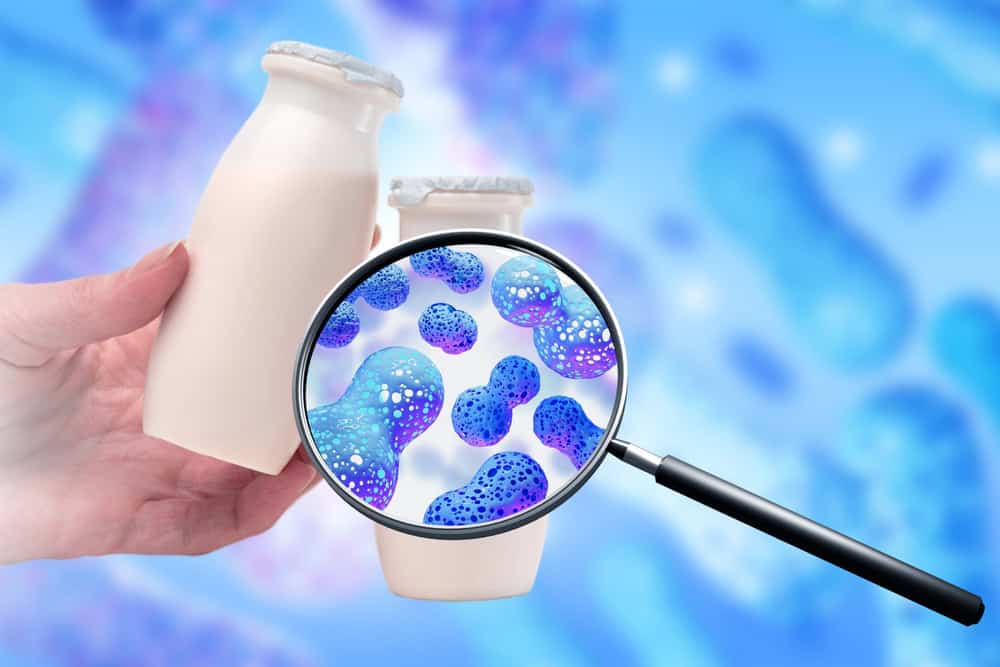
Your gut isn’t just about digestion. It talks to your brain. It affects your immunity. It even plays a role in your mood and skin. When the good bacteria thrive, things feel smoother. Less bloating. Better energy. Fewer random stomach issues.
Probiotics are those good bacteria. And the key isn’t just quantity. It’s a variety. Different strains do different jobs. Yogurt usually has only a few strains. Many fermented foods have dozens.
That’s where yogurt starts to fall behind.
Kefir: Yogurt’s Overachieving Cousin
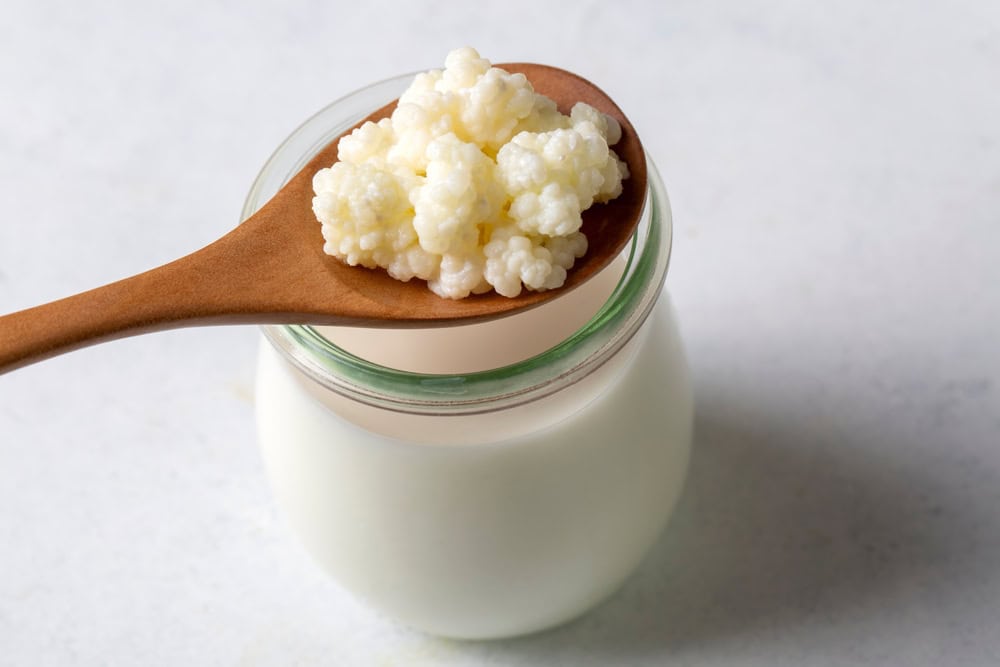
If yogurt is reliable, kefir is ambitious. This fermented milk drink can contain up to three times more probiotics than yogurt. And not just more. Better variety.
Kefir has bacteria and beneficial yeasts. That combo makes it powerful for gut balance. It’s thinner than yogurt and slightly tangy. Some people find it easier to digest, even if milk usually bothers them.
You can drink it plain. Add it to smoothies. Or have it like buttermilk with a meal. If you’ve only relied on yogurt till now, kefir feels like an upgrade.
Sauerkraut: Cabbage That Does Serious Work

This one surprises people. Fermented cabbage is a rich source of probiotics. We’re talking billions per serving. And it’s not just about the gut.
Sauerkraut supports digestion, nutrient absorption, and even helps control inflammation. The key is raw, unpasteurized sauerkraut. The shelf-stable jars don’t count. Heat kills the bacteria.
A small spoon with meals is enough. You don’t need a bowl. Think of it as a probiotic sidekick, not a main dish.
Kimchi: Spicy, Funky, and Gut-Loving

Kimchi is bold. It smells strong. It tastes stronger. And your gut loves it.
This Korean fermented mix of cabbage, radish, garlic, and spices is loaded with probiotic strains. Often more diverse than yogurt. The fermentation process creates bacteria that survive stomach acid better.
If you enjoy spice, this one’s a win. If you don’t, start small. A forkful is enough to make a difference.
Traditional Indian Pickles: The Unsung Heroes
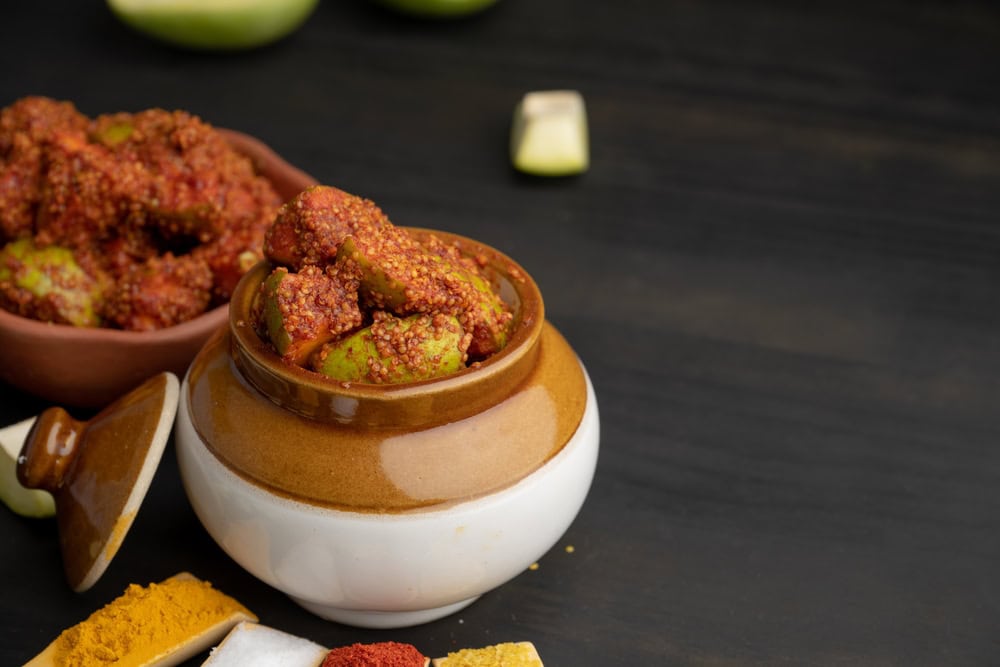
Let’s clear something up. Not all pickles are probiotic. Vinegar-based pickles don’t help your gut. But traditional salt-fermented Indian pickles? Different story.
Think of homemade lemon pickle, mango pickle, or kanji-style ferments. When made with salt, oil, and time, they grow good bacteria naturally.
The catch is moderation. These are salty. You don’t need much. A teaspoon with your meal works. Your gut gets benefits. Your taste buds stay happy.
Kanji: The Drink Your Gut Has Been Waiting For
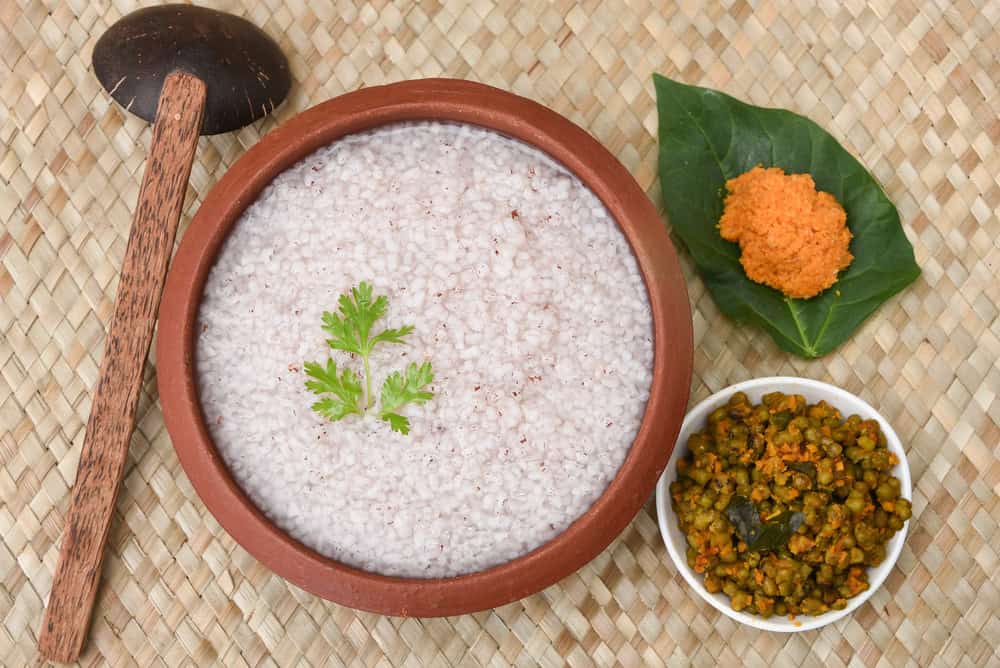
Kanji doesn’t get enough credit. This fermented drink made from black carrots or beetroot is packed with probiotics. And it’s refreshing.
Unlike yogurt, kanji offers plant-based bacteria. That’s useful if dairy doesn’t suit you. It’s light, tangy, and easy to sip.
A small glass a few times a week can support digestion and reduce that heavy, sluggish feeling after meals.
Miso: Small Spoon, Big Impact
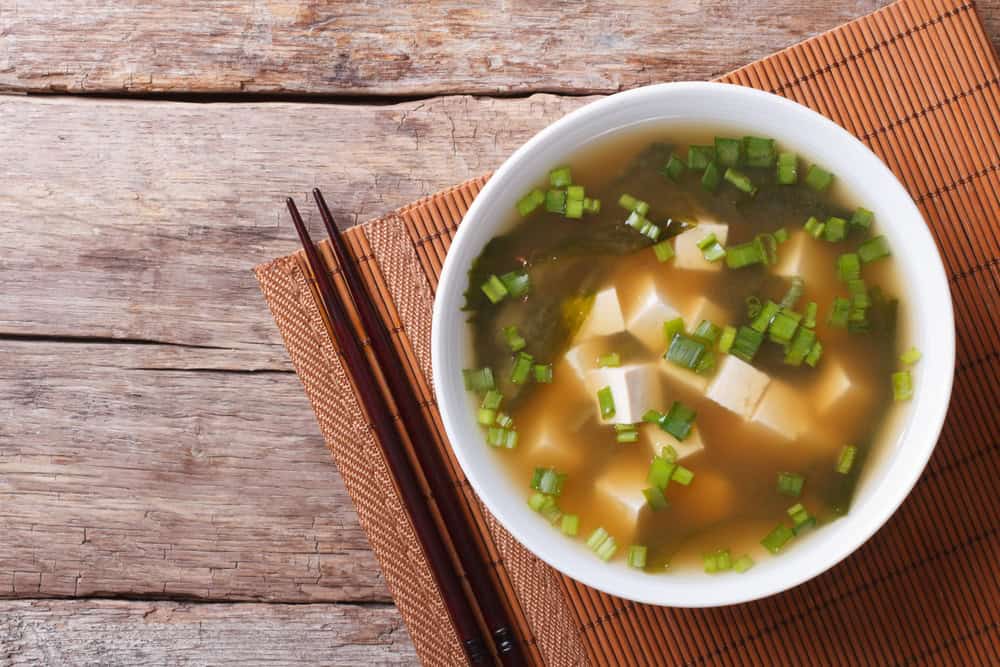
Miso is a fermented soybean paste. It looks simple. But it carries powerful probiotic strains.
The trick is how you use it. Don’t boil it. Heat kills the good bacteria. Add miso to warm, not hot, water. Stir it into soups after cooking.
Miso supports gut health and adds depth to food. One spoon goes a long way. Yogurt needs a full bowl to compete.
Tempeh: Protein With Probiotic Power
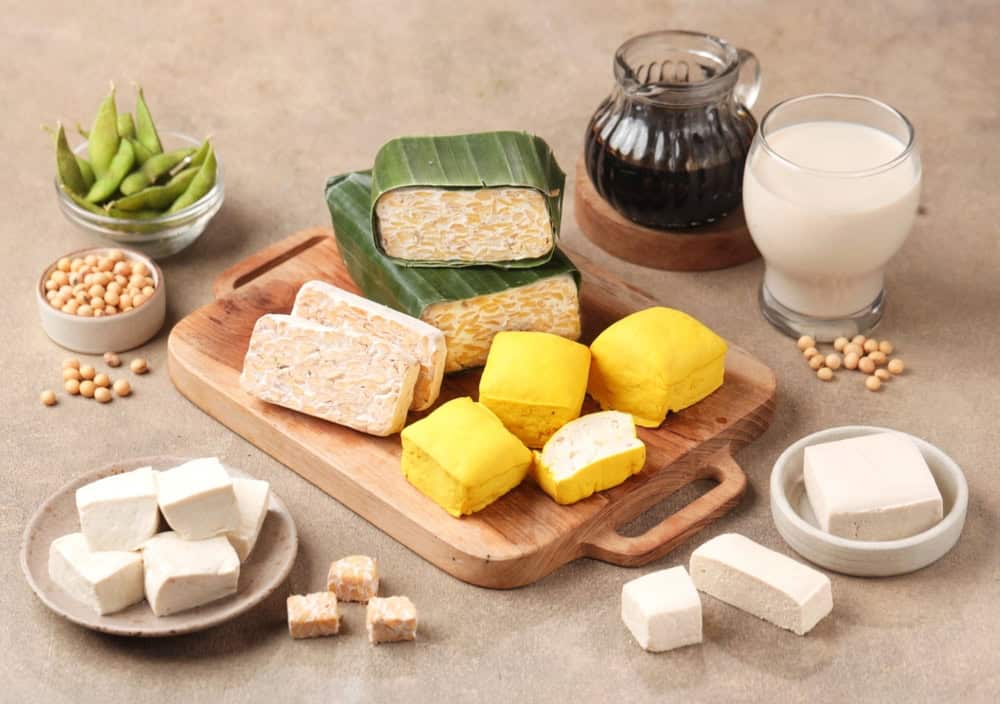
Tempeh is fermented soybeans pressed into a firm cake. It’s rich in protein and probiotics. Yogurt gives you bacteria. Tempeh gives you bacteria plus fiber and plant protein.
It’s filling. It’s versatile. You can sauté it, grill it, or add it to curries. The fermentation makes soy easier to digest and gentler on the gut.
If you want probiotics without dairy, tempeh fits well.
Kombucha: The Fizzy Gut Tonic

Kombucha feels trendy, but it’s old-school fermentation. This tea-based drink contains beneficial bacteria and yeast. When brewed well, it supports digestion and gut balance.
It’s light and refreshing. But portion matters. Too much can upset your stomach. Half a glass is enough.
Avoid overly sweet versions. The goal is bacteria, not sugar overload.
Why Yogurt Isn’t Enough on Its Own
Yogurt still has a place. It’s familiar. It’s comforting. But most commercial yogurts are limited. Some are heat-treated. Some are packed with sugar. Many have only two or three probiotic strains.
Your gut wants diversity. Different bacteria do different jobs. Relying on one food is like eating the same vegetable every day and expecting perfect nutrition.
Rotation helps. Variety matters.
How to Add These Foods Without Overthinking
You don’t need a probiotic overhaul. Start simple.
Add one fermented food at a time. Small amounts. Let your gut adjust. Too much too fast can cause bloating. That’s normal. Slow is smart.
Mix dairy and non-dairy options. Listen to your body. Your gut is honest. It tells you what works.
The Quiet Truth About Gut Health
Good digestion isn’t loud. You don’t notice it when it works. You just feel lighter. Clearer. More comfortable in your own body.
Probiotic foods support that quiet balance. And many of them do it better than yogurt ever could.
So yes, enjoy your yogurt. But don’t stop there. Your gut deserves more than one option.
FAQs
1. What has more probiotics than yogurt?
Kefir, sauerkraut, kimchi, kanji, miso, and kombucha all contain more probiotic strains than yogurt. They also offer better bacterial diversity, which supports gut health more effectively.
2. Which food has the highest probiotics?
Kefir has the highest probiotic content, with billions of live bacteria and yeast from over 30 strains. It clearly beats most yogurts in both quantity and variety.
3. What is the strongest natural probiotic?
Kefir is considered the strongest natural probiotic because its bacteria survive stomach acid well. Among plant foods, raw sauerkraut and kanji are equally powerful.
4. What are the super six foods for gut health?
The super six are kefir, sauerkraut, kimchi, kanji, miso, and tempeh. Together, they support digestion, immunity, and gut balance.
5. Is yogurt still good for gut health?
Yes, yogurt supports gut health, but it offers fewer strains than fermented foods. It works best when combined with other probiotic-rich foods.
6. Are probiotic foods better than supplements?
Probiotic foods are usually better because they come with fiber and enzymes that help bacteria survive. They’re also gentler on your digestive system.
7. Can you get probiotics without dairy?
Yes, foods like sauerkraut, kimchi, kanji, miso, tempeh, and kombucha are all dairy-free. They’re ideal if milk doesn’t suit you.
8. How much probiotic food should you eat daily?
Small amounts are enough, like a few spoons or a small glass. Too much can cause bloating, especially at the start.
9. Can probiotic foods cause bloating?
Yes, mild bloating can happen when your gut adjusts to new bacteria. Start slow, and it usually settles in a few days.
10. How long do probiotics take to work?
Some people feel better in days, others in weeks. Regular intake matters more than quick results.
(The article is written by Mantasha, Sr. Executive, Clinical Health & Content, and reviewed by Monalisa Deka, Deputy Manager, Clinical Health & Content, Medical Affairs.)