
Let’s be honest about something first.
If you have oily, acne-prone skin, you’ve probably tried everything. The expensive cleansers. The spot treatments. The ten-step routines someone swore by on the internet. And at some point, something made things worse instead of better, and you were back to square one, wondering what you’re doing wrong.
Most of the time, it’s not one thing you’re doing wrong. It’s a combination of small habits that are quietly working against your skin every day. The good news is that fixing them doesn’t require a complicated routine or expensive products. It requires consistency with the right basics and stopping a few things that feel helpful but aren’t.
Here’s what dermatologists actually recommend.
1. Cleanse Twice A Day, No More, No Less

This sounds simple, but it’s the habit most people with oily skin get wrong in one direction or the other.
If you’re cleansing once a day, that’s not enough. Oil, sweat, pollution, and product residue accumulate on your skin throughout the day and overnight. Leaving that on your face is a reliable recipe for clogged pores and breakouts. Morning and night, every single day, is the right frequency [1].
If you’re cleansing three or four times a day because your skin feels oily and you think washing more will help, that’s also a problem. Over-cleansing strips your skin of its natural oils. Your sebaceous glands respond by producing even more oil to compensate. You wash again. They produce more. It becomes a cycle that makes oiliness significantly worse over time, not better [2].
Twice a day. That’s it. Use a gentle foaming or gel cleanser with salicylic acid or a mild
surfactant that removes oil effectively without leaving your skin feeling tight and stripped afterwards. That squeaky-clean feeling after washing isn’t a sign of clean skin. It’s a sign your barrier has been disrupted.
2. Stop Skipping Moisturiser
This is the one that surprises almost everyone with oily skin the first time they hear it.
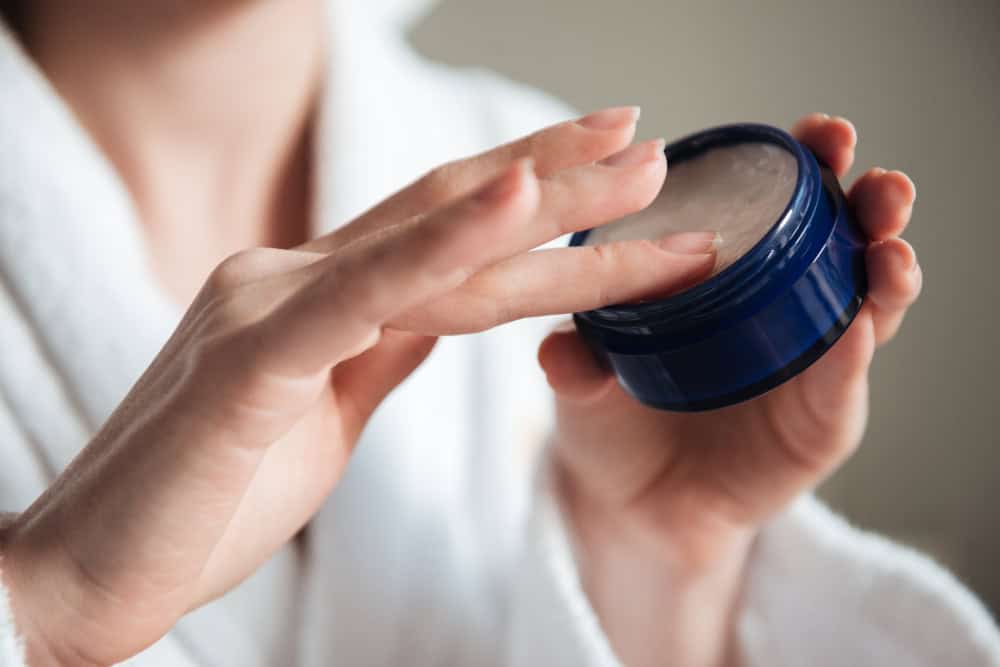
Oily skin still needs moisturiser. Always. Skipping it because your skin already feels greasy is one of the most counterproductive things you can do. When your skin is dehydrated, it produces more oil to compensate for the lack of moisture. So the more you avoid moisturiser, the oilier your skin can actually get over time.
What you need to change is the formula. Heavy, butter-rich creams are the wrong choice. A lightweight, water-based gel moisturiser with ingredients like glycerin, hyaluronic acid, or niacinamide gives your skin the hydration it needs without adding oil or clogging pores [3].
Apply it after cleansing while your skin is still slightly damp. It takes thirty seconds, and it genuinely changes how your skin behaves throughout the day.
3. Add Niacinamide To Your Routine
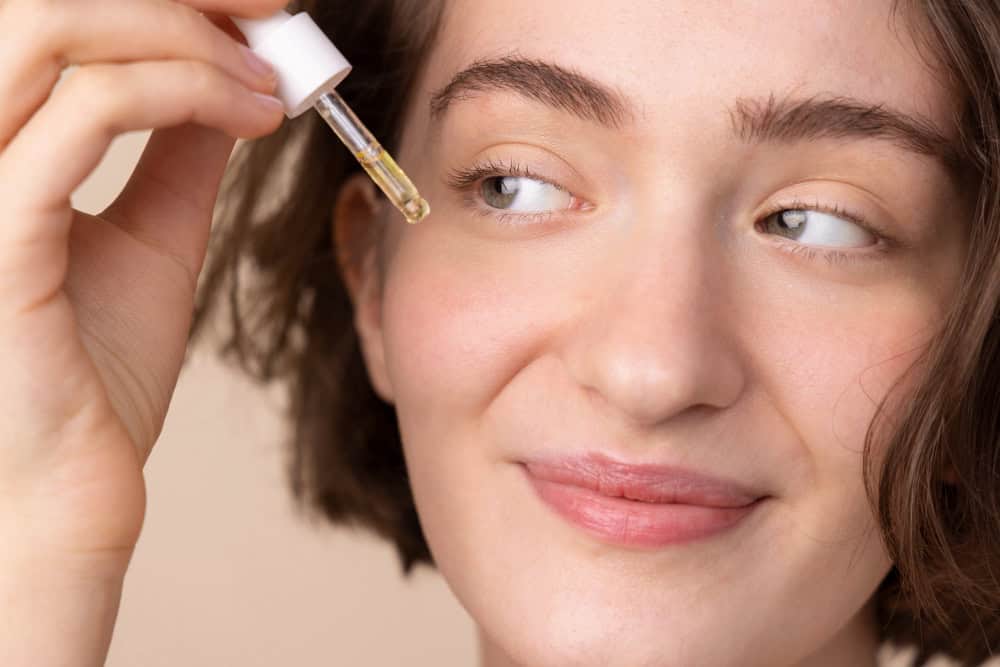
If there is one ingredient that dermatologists consistently recommend for oily, acne-prone skin, it’s niacinamide.
Niacinamide is a form of vitamin B3, and it does several things at once that matter specifically for oily and breakout-prone skin. It regulates sebum production at the source, meaning your skin produces less oil throughout the day rather than you constantly managing it after the fact. It minimises the appearance of enlarged pores. It reduces redness and post-acne marks. And it strengthens your skin barrier, which means your skin becomes less reactive to environmental triggers over time [4].
It’s gentle enough for daily use in the morning and night. It works well with almost every other skincare ingredient. And it starts showing visible results within four to six weeks of consistent use. Apply it after cleansing and before moisturiser. If you do one new thing for your skin this year, make it niacinamide.
Glow starts with the care you give your skin today. SHOP NOW!
4. Use Salicylic Acid, but Use It Correctly
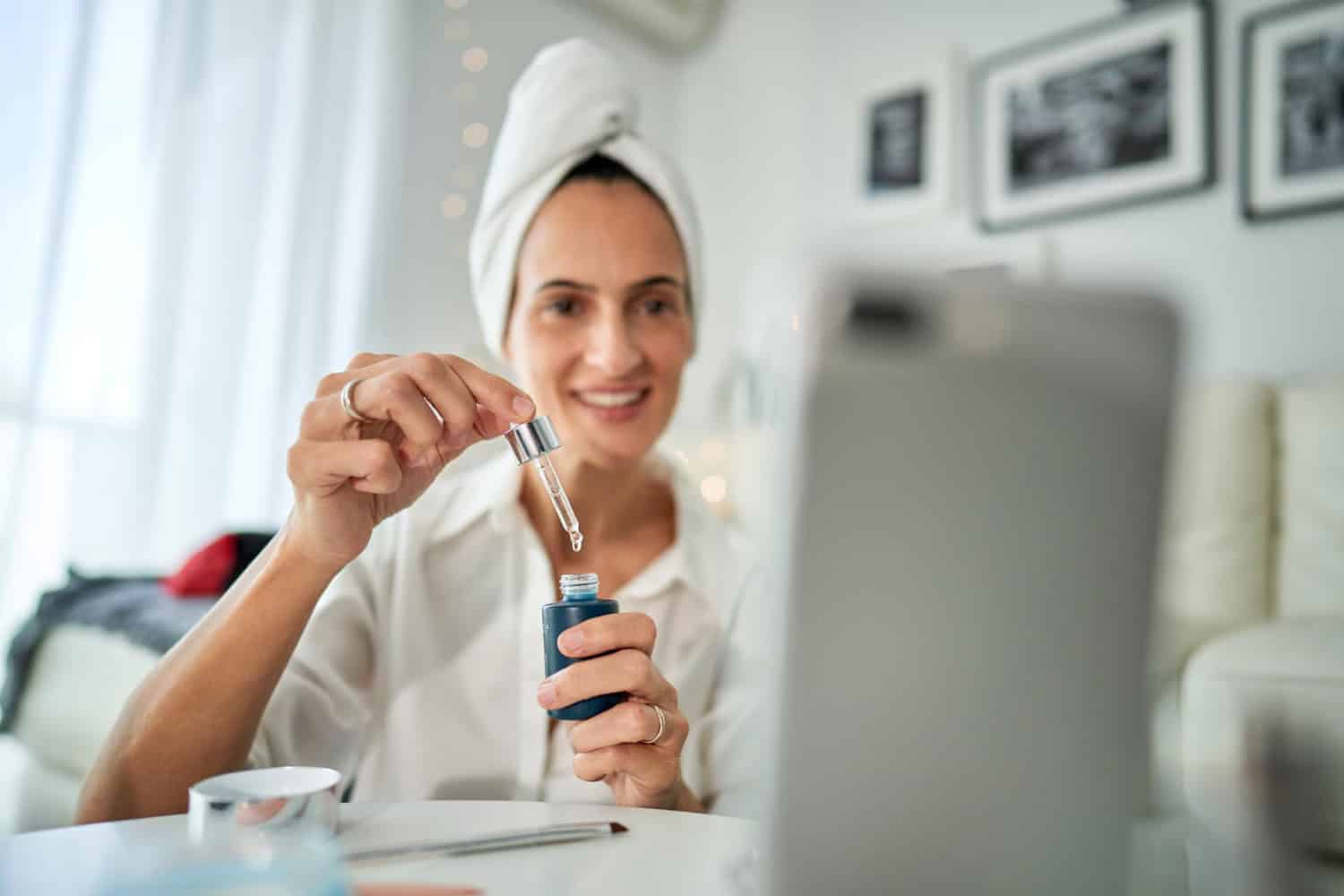
Salicylic acid is one of the most effective ingredients for acne-prone skin and one of the most misused.
It works because it’s oil-soluble. Unlike most skincare ingredients that work on the surface, salicylic acid can actually penetrate inside the pore lining and dissolve the sebum and dead skin cell buildup that causes congestion and breakouts [5]. That’s why it’s consistently recommended for blackheads, whiteheads, and acne rather than just surface cleansing.
But here’s where most people go wrong. They use it too much, too often, on too large an area of their face. Salicylic acid is an exfoliant. Overusing it dries out and irritates your skin, which damages your barrier and ultimately makes acne worse, not better.
A salicylic acid cleanser used once daily or a two percent toner used two to three times a week is enough for most people. Start slow and increase gradually based on how your skin responds. And if you’re using other active ingredients like retinol or benzoyl peroxide, don’t layer salicylic acid on top of them in the same routine.
5. Wear Sunscreen Every Morning Without Exception

This is the one skincare habit that people with oily and acne-prone skin skip most consistently, and it’s causing more damage than most people realise.
The two most common reasons people with oily skin avoid sunscreen are that it makes their face feel greasy and that it breaks them out. Both of those are formulation problems, not reasons to skip SPF entirely. Heavy, cream-based sunscreens were never designed for oily or acne-prone skin. They’re the wrong product [6].
A lightweight, gel-based, oil-free, non-comedogenic broad-spectrum SPF 30 or higher sits on oily skin comfortably, doesn’t clog pores, and many formulas actually have a mild mattifying effect that reduces shine rather than adding to it.
Why does this matter so much for acne-prone skin specifically? Because UV radiation makes post-acne marks and hyperpigmentation significantly darker and more persistent. Every time you go outside without SPF, you’re making those marks harder to fade. You’re also accelerating skin ageing and increasing long-term skin cancer risk. Sunscreen protects your skin from all of that. Finding the right formula is worth the effort.
6. Don’t Touch Your Face And Stop Popping Pimples

These two habits come together because they’re driven by the same instinct and both make acne considerably worse.
Your hands carry oil, bacteria, and debris. Every time you touch your face, rest your chin on your hand, or absentmindedly pick at a spot, you’re transferring all of that directly onto your skin. Research consistently shows that frequent face touching is associated with more frequent and more severe acne breakouts [7]. It’s a hard habit to break because most people do it without thinking. Being conscious of it and making a deliberate effort to keep your hands away from your face genuinely helps.
Popping pimples is tempting, deeply satisfying in the moment, and almost always a mistake. When you pop a pimple, you push bacteria, sebum, and debris deeper into the surrounding tissue. This causes more inflammation, increases the risk of scarring, and spreads bacteria to adjacent follicles, creating new breakouts [7]. The dark mark that takes months to fade after a pimple is usually not from the pimple itself. It’s from the picking.
If you have a breakout that’s bothering you, a patch of benzoyl peroxide or a hydrocolloid patch applied overnight does significantly more for it than your fingers will.
7. Change Your Pillowcase More Often Than You Think You Need To

This one gets overlooked almost universally, and it matters more than most people realise.
Your pillowcase absorbs oil, sweat, bacteria, and skincare product residue from your skin every night. If you’re sleeping on the same pillowcase for a week, you’re pressing your face into that accumulated buildup for seven to eight hours every night. For oily, acne-prone skin, that’s a meaningful source of ongoing pore congestion [8].
Changing your pillowcase every two to three days is the right frequency for acne-prone skin. It sounds excessive until you start doing it and notice the difference. Cotton pillowcases absorb oil effectively. If you want to reduce friction on the skin and hair, a clean cotton pillowcase changed frequently is far more important for acne than switching to satin.
8. Be Patient With Active Ingredients

This is the habit that requires the most mental effort, and it’s the one most people fail at.
When you start a new active ingredient, whether it’s salicylic acid, niacinamide, retinol, or a prescription treatment, your skin often gets worse before it gets better. This is called purging. Your skin is accelerating its cell turnover, bringing congestion to the surface faster than usual. It looks like more breakouts. It feels like the product is making things worse [9].
Most people stop at this stage and conclude the product doesn’t work. But purging typically resolves within four to six weeks. If you push through it, the skin that emerges on the other side is usually clearer, smoother, and less congested than it was before.
Give any new active ingredient a minimum of eight to twelve weeks before making a judgment call on whether it’s working. The skin cell turnover cycle takes roughly four weeks, meaning you need to get through several complete cycles before you can accurately see what an ingredient is doing. Patience is genuinely one of the most important habits for acne-prone skin.
9. Watch What You’re Eating And How Much You’re Sleeping

These two get dismissed more than they should in skincare conversations. Diet and sleep affect your skin in ways that no serum can fully compensate for.
High glycaemic foods like sugary drinks, white bread, and processed snacks spike insulin levels. Elevated insulin stimulates your sebaceous glands to produce more oil and promotes the kind of skin cell growth that leads to clogged pores. Research has consistently linked high glycaemic diets to increased acne severity [10]. Dairy, particularly cow’s milk, has also been associated with acne flare-ups in multiple studies, likely due to the hormonal compounds it contains.
Poor sleep raises cortisol levels. Elevated cortisol increases inflammation, disrupts the skin barrier, and stimulates oil production. If you’re doing everything right in your skincare routine but sleeping five hours a night and eating processed food daily, your skin will reflect that. Seven to eight hours of sleep and a diet that leans toward whole foods, lean protein, and vegetables addresses the internal environment that your skincare routine is working on from the outside.
10. See A Dermatologist If You’re Not Getting Results

This is the one habit people delay the longest and usually regret not doing sooner.
Over-the-counter products and good skincare habits manage mild to moderate acne well for most people. But if you’ve been consistent with your routine for three to four months and still dealing with persistent breakouts, painful cysts, or significant scarring, it’s time to see a dermatologist [1].
Prescription treatments, including topical retinoids, antibiotics, benzoyl peroxide combinations, and in some cases oral medications like isotretinoin or hormonal therapy, can address acne that OTC products simply can’t touch. These aren’t last resorts. For moderate to severe acne, they’re often the most appropriate first step and the one that finally moves the needle.
Waiting longer to see a dermatologist doesn’t make acne easier to treat. It often means more scarring and more time spent managing something that could have been addressed months earlier.
FAQs
Should I moisturise if my skin is already oily?
Yes, always. Oily and hydrated are not the same thing. Skipping moisturiser causes dehydration, which triggers more oil production. Use a lightweight water-based gel moisturiser instead of skipping it entirely.
How long does it take for acne-prone skin to improve with a consistent routine?
Give any new routine at least eight to twelve weeks before judging results. Skin cell turnover takes roughly four weeks, and you need several complete cycles to see the real effect of any product or habit change.
Can diet really cause acne?
Yes. High glycaemic foods and cow’s milk have the strongest research linking them to acne. Reducing sugary drinks, white bread, and dairy while increasing water intake and whole foods makes a measurable difference in sebum production and breakout frequency for many people.
Is it okay to use multiple active ingredients at once?
Not all at the same time. Layering salicylic acid, retinol, and benzoyl peroxide in one routine causes irritation and barrier damage. Introduce one new active ingredient at a time, wait four weeks to assess how your skin responds, and then consider adding another.
Does stress cause breakouts?
Yes. Stress elevates cortisol, which directly stimulates oil production and inflammation. Managing stress through sleep, exercise, and recovery is part of an acne management strategy, not separate from it.
References
- American Academy of Dermatology Association. Skin care for acne-prone skin. Updated 2024.
- Draelos ZD. The science behind skin care: cleansers. J Cosmet Dermatol. 2018;17(1):8-14.
- Lynde CW, Andriessen A, Barankin B, Gannes GD, Gulliver W, Haber R, et al. Moisturizers and ceramide-containing moisturizers may offer concomitant therapy with benefits. J Clin Aesthet Dermatol. 2014;7(3):18-26.
- Gehring W. Nicotinic acid/niacinamide and the skin. J Cosmet Dermatol. 2004;3(2):88-93.
- Arif T. Salicylic acid as a peeling agent: a comprehensive review. Clin Cosmet Investig Dermatol. 2015;8:455-61.
- Lim HW, Kohli I, Rosen CF. Photoprotection in the twenty-first century. J Am Acad Dermatol. 2022;86(6):1235-44.
- Dreno B, Thiboutot D, Layton AM, Berson D, Sidou F, Kerrouche N. Large-scale international study enhances understanding of an emerging acne population: adult females. J Eur Acad Dermatol Venereol. 2015;29(6):1096-106.
- Kantor J. Acne and the pillow: an underappreciated acne trigger. J Am Acad Dermatol. 2018;78(4):e103.
- Mukherjee S, Date A, Patravale V, Korting HC, Roeder A, Weindl G. Retinoids in the treatment of skin aging: an overview of clinical efficacy and safety. Clin Interv Aging. 2006;1(4):327-48.
- Kwon HH, Yoon JY, Hong JS, Jung JY, Park MS, Suh DH. Clinical and histological effect of a low glycaemic load diet in treatment of acne vulgaris in Korean patients. Acta Derm Venereol. 2012;92(3):241-6.
(The article is written by Mantasha, Sr. Executive, Clinical Health & Content, and reviewed by Monalisa Deka, Deputy Manager, Clinical Health & Content, Medical Affairs.)