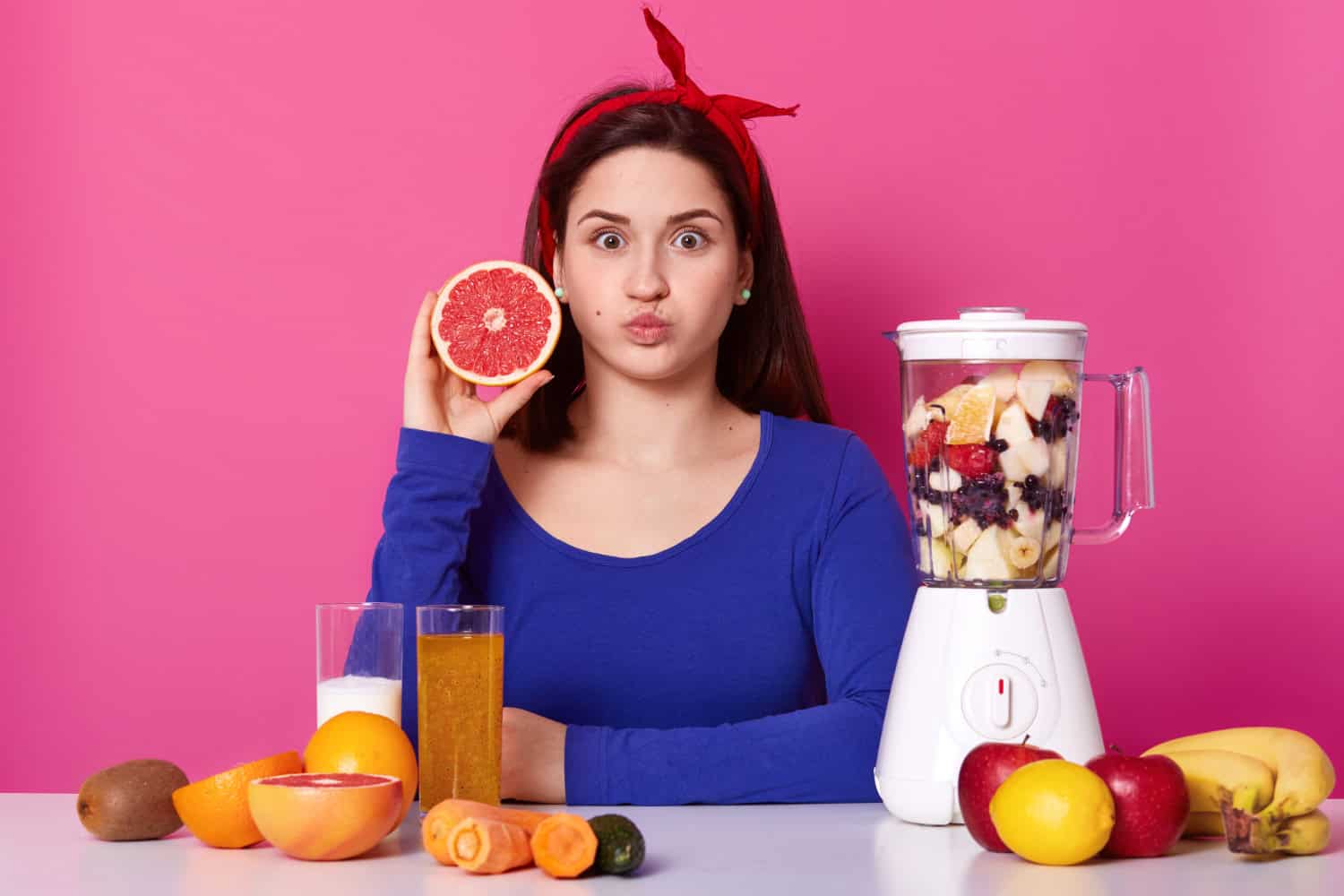
For people living in metropolitan cities, it can be difficult to get enough fruit. With long working hours, rushed mornings full of meetings, and irregular eating patterns, pouring juice into a glass is often more practical and convenient than taking time to peel an orange or cut an apple.
Cold-pressed juice is very popular with consumers, marketed as fresh, healthy, and easy to use. But what about the health benefits of drinking fruit juice? Are they the same as eating the fruit?
To summarize, whole fruit is usually the better option for day-to-day eating, but pure 100% juice can still fit into a balanced eating plan if used wisely.
What is Cold-Pressed Juice?
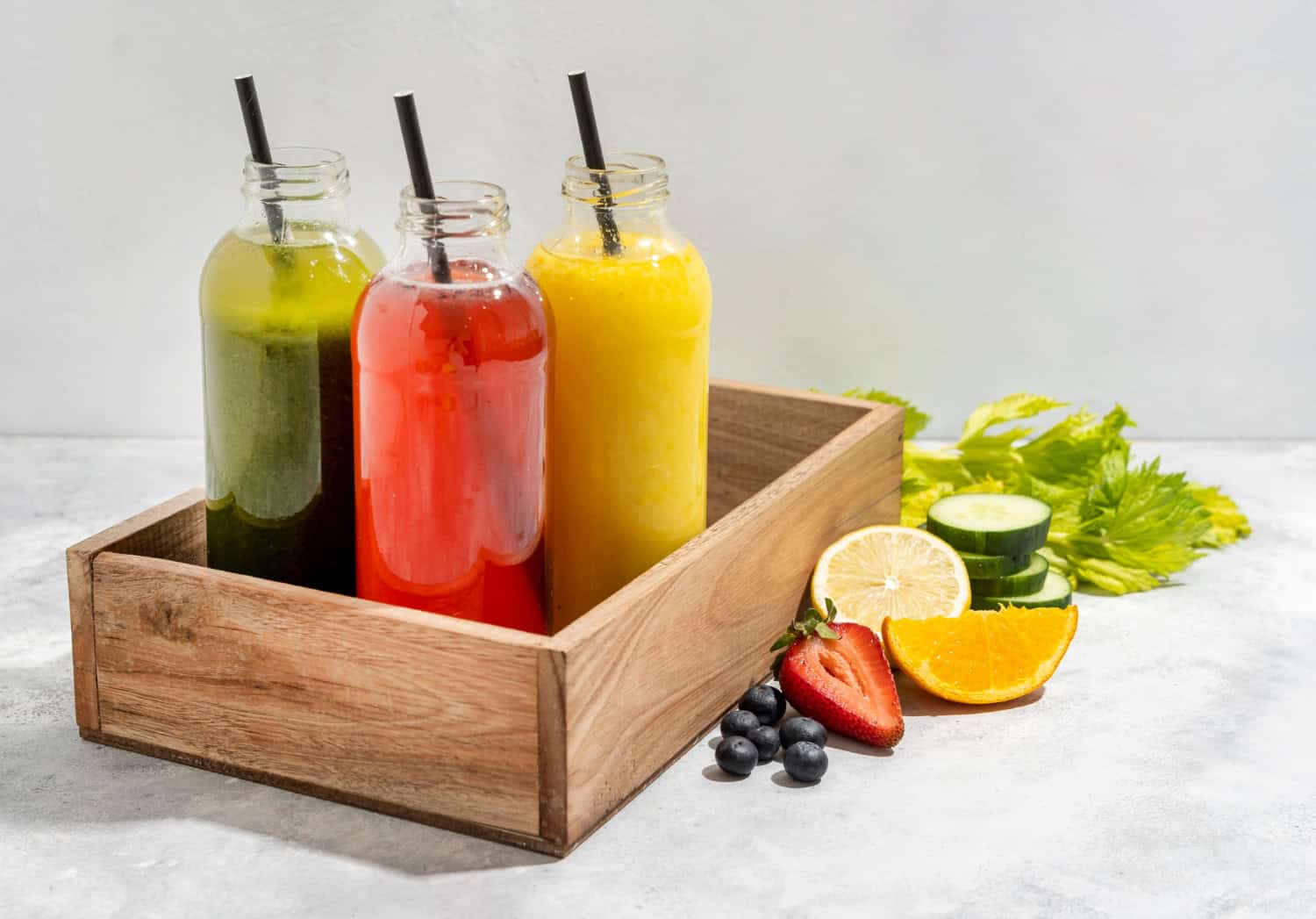
Cold-pressed juice is a type of juice offered to consumers by extracting liquid from fruits and vegetables via a hydraulic press as opposed to the high-speed blade employed in regular juicers.
This process can keep certain nutrients and compounds intact in the juice, although the primary nutritional difference between juice and whole fruit is related more to the loss of fiber as well as structural integrity during the juicing process.
Even when no sugar is added, fruit juice contains naturally occurring sugars in a more concentrated, easy-to-consume form. Most of the insoluble fibre found in whole fruit is also removed during typical juice extraction.
Whole Fruits: The Nutritional Champion

When you consume whole fruits, such as an apple, orange, guava, or strawberries, you are gaining many benefits from consuming vitamins and natural sugars.
Whole fruit facilitates the intake of dietary fiber, water, vitamins, minerals, and phytochemicals. Fiber slows down the process of digestion and contributes to the feeling of satiety, which helps people feel full after eating.
When you eat an orange, you have to chew it for some time, while orange juice prepared from several oranges can be consumed within minutes. It is important to note that liquid calories and carbohydrates can be consumed quickly and will not provide the same feeling of fullness.
Research reviews also show that the relationship between the consumption of whole fruit and the management of weight in the long run is generally favorable compared to consumption of fruit juice.
Why fibre matters
Fiber can:
- Improve digestive health
- Make a person feel full
- Slow down the absorption process of carbohydrates
- Promote health microbiome
This makes whole fruit particularly useful for people trying to manage snacking and overall calorie intake during a busy workday.
Is Cold Pressed Juice Harmful?

Not really.
It’s important to understand the difference between pure fruit juice and fruit drinks that have sugar and other sweeteners added to them.
New studies do not confirm that moderate consumption of juice made from pure fruit is harmful. A 2025 systematic review has shown that drinking 100% fruit juice has generally neutral effects on carbohydrate metabolism and the risk of getting type 2 diabetes, but more studies are needed.
Another review has shown that most of the studies analyzed in meta-analyses do not show any effect on some metabolic factors; however, some successes have been noted when it comes to cardiovascular health.
So the conclusion is not “do not drink juice.” It is rather “use juice as a convenient additive rather than a substitute.”
What About Blood Sugar?
 One of the concerns is that fruit juices could increase blood sugar levels quickly because of the changes in the fiber and structure of the fruit.
However, the truth is more complicated than saying that fruit juices increase blood sugar levels. A meta-analysis of randomized controlled trials showed that pure fruit juices do not significantly affect either fasting blood glucose or blood insulin levels, or even increase insulin resistance or levels of HbA1c.
Nevertheless, whole fruits provide a certain benefit in comparison to juices because they contain fibrous components that prolong eating and improve fullness.
In general, people with diabetes or other blood-sugar-related problems should pay more attention to the amount of carbohydrates and portion sizes rather than thinking about fruit or fruit juices.
What Makes Sense for a Busy Metro Lifestyle?

When someone is going from home to work every day, it doesn’t need to be difficult.
For Breakfast: Go with whole fruit
Instead of drinking a large glass of fruit juice for breakfast, try including an apple, orange, guava, pear, or any kind of berry in your breakfast.
Combining fruit with protein or healthy fat foods such as yogurt, nuts, or seeds will help you eat enough to get this satisfying breakfast.
During commute: If you are looking for something convenient and practical, you may consider fruit juice.
In case it is not possible to carry whole fruit with you, you could have a small portion of 100% pure fruit juice.
Make sure you look at the labels. “Fruit drink,” “fruit beverage,” and “fruit juice” are words you should be careful with, as they may contain additional sugar and will not have the beneficial nutritional content that 100% fruit juice has.
At Work: Have whole fruit within reach
You should consider keeping fruits that are easy to consume at work, for example, bananas, apples, oranges, or guavas, to avoid unhealthy snacks from vending machines.
A piece of fruit requires almost no preparation and can be eaten between meetings.
Can Cold-Pressed Juice Count as a Fruit Serving?
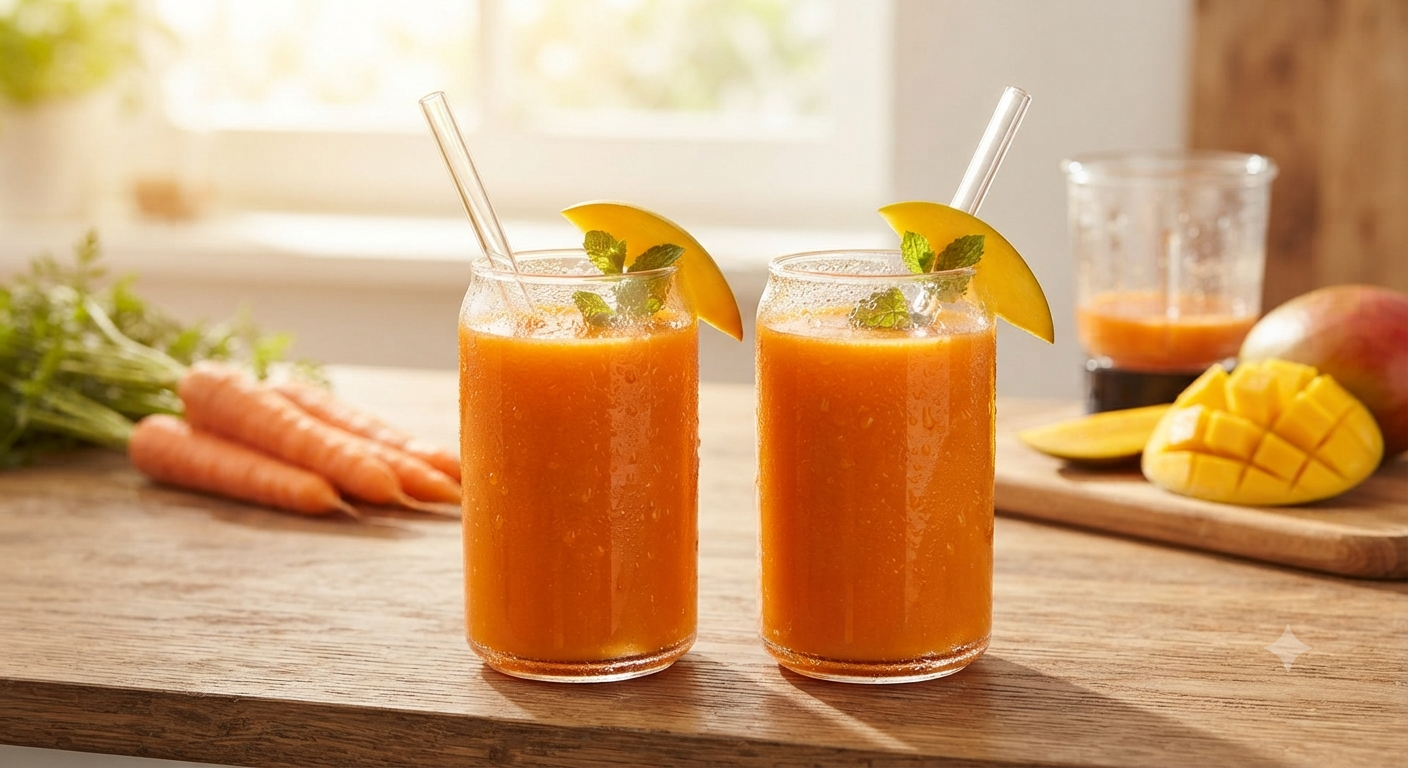
Now let’s take a look at this issue. Juice indeed contains the nutrients that one can find in fruits. However, it cannot be said that juice can be considered equal to eating fruit.
For instance, drinking juice from a couple of oranges gives you vitamin C and other nutrients, but you don’t get much fiber, and you consume the sugars contained in fruit much faster.
The conclusion is that you should prefer consuming whole fruits rather than juices.
What About Smoothies?

Smoothies differ from juice as they can retain a higher amount of the pulp and fiber.
A homemade smoothie made from fresh fruit, yogurt, nuts, or seeds may keep you satiated longer.
However, moderation is key. A smoothie made with many bananas, dates, mangoes, fruit juices, and sweeteners can turn into a high-calorie beverage.
Conclusion
In a busy lifestyle of living in a big city, eating whole fruit is the healthiest option.
Whole fruit provides fiber, needs more chewing, causes a higher feeling of fullness, and helps to control food portions.
Cold-pressed 100% fruit juice is convenient but definitely does not contain the same nutritional value as whole fruit.
The overall advice is very simple: when you can eat fruit, make sure to do so, but if convenience is more important than nutrition, drink it, and if you opt for juice, make sure that you select an unsweetened option in the proper serving.
It must be mentioned that recent studies have shown that moderate consumption of 100% fruit juice is not dangerous, and there is no need to classify it as “bad” food.
FAQs
Q. Is cold-pressed juice better for your health than whole fruit?
Overall, whole fruit is the healthier choice, as it is a source of more fiber and keeps you satiated. On the contrary, cold-pressed juice mainly contains vitamins and natural sugar.
Q. Is there fiber in cold-pressed juice?
The majority of cold-pressed juices contain a lot less fiber than whole fruit, as most of the pulp gets discarded during juicing.
Q. Am I allowed to drink cold-pressed juice daily?
Yes, if you choose 100% juice with no sugar added and observe moderation in juice consumption, you will be just fine, but do not overlook the use of whole fruit in your diet.
Q. Which is the more effective means of losing body weight: juice or whole fruit?
Whole fruit is in most cases considered to have advantages over juice because of the fiber it contains and the need for chewing it.
Q. Does cold-pressed juice spike blood sugar?
It is better absorbed than whole fruit, but taking moderate amounts of 100% juice with no sugar added has proven to be a safe option from the point of view of affecting the
Q. Does cold-pressed juice serve as a substitute for a fruit serving?
Cold-pressed juice is good in terms of nutrition, but it cannot serve as a complete substitute for the whole fruit, as much of the fibre that is present in it is removed.
Q. What is the best fruit to have during an office day?
Have easy-to-carry fruits such as bananas, apples, oranges and guavas, as they are great snacks that also make one feel full.
Q. Is a smoothie better than cold-pressed juice?
Usually, smoothies made with whole fruit contain more fibre content which makes it more filling compared to juices.
(The article is written by Deepa Sarkar, Senior Medical Writer, and reviewed by Monalisa Deka, Deputy Manager, Clinical Health & Content, Medical Affairs)