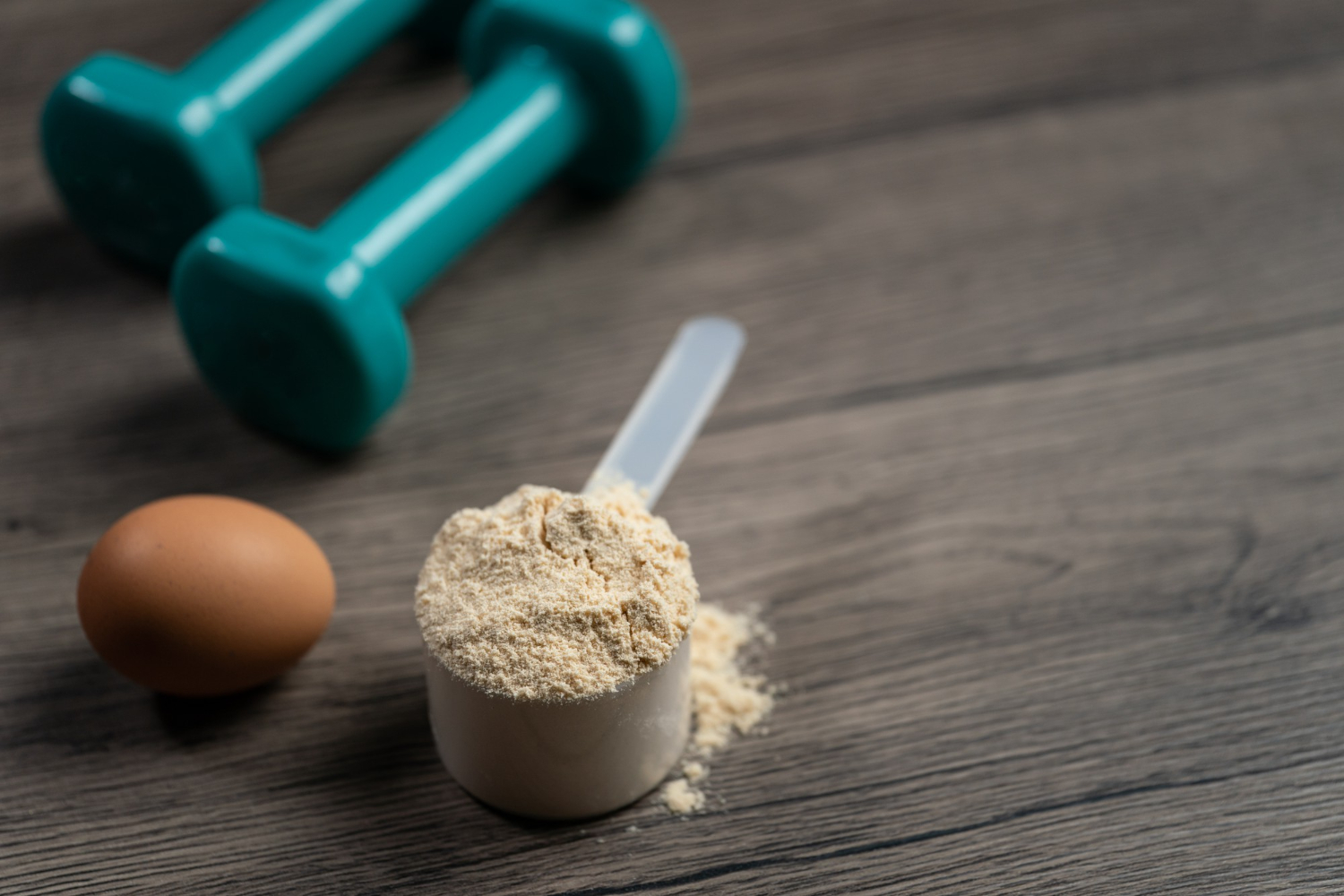
Protein shakes are everywhere right now. Every gym bag seems to have one. Every fitness influencer is blending something. And if you’ve been trying to lose weight, you’ve probably wondered at some point whether you should be drinking them too.
The honest answer is yes, they can help. But not in the way most people think. They’re not a magic solution. They’re not a meal you skip and replace with powder. And they definitely won’t do the work for you if the rest of your diet is working against you.
What they can do, when used correctly, is make the whole process of losing weight considerably easier. Here’s why, and how to use them properly.
First, Why Protein Matters So Much For Weight Loss
Before getting into shakes specifically, it helps to understand why protein is such a big deal for weight loss in the first place.
Protein is the most satiating macronutrient. It keeps you full for longer than carbohydrates or fat do. It stabilises blood sugar levels, which means fewer energy crashes and fewer cravings for sugary food mid-afternoon. And it has something called a high thermic effect, which means your body actually burns more calories just digesting and processing protein than it does with carbohydrates or fat. [1]
On top of all that, when you’re in a calorie deficit and losing weight, your body tends to burn both fat and muscle. Protein helps minimise muscle loss during that process. And that matters because muscle is metabolically active. It burns calories even when you’re resting. The more muscle you preserve during weight loss, the better your metabolism holds up over time. [2]
Protein shakes are simply a convenient, fast, and fairly reliable way to get more protein into your day. That’s really the whole case for them.
The Types Of Protein Shakes Worth Knowing About

Not all protein shakes are built the same. The type you choose depends on your goals, your dietary preferences, and how your body responds to different ingredients.
Whey Protein
Whey is the most researched and most widely used protein powder for weight loss. It’s derived from milk during the cheese-making process, and it’s a complete protein, meaning it contains all nine essential amino acids your body can’t produce on its own.
What makes whey particularly useful for weight loss is how quickly it absorbs. It gets into your bloodstream fast, triggers a strong satiety response, and reaches your muscles quickly after training. Research published in the American Journal of Clinical Nutrition found that consuming a high-protein meal or shake significantly increased feelings of fullness and reduced subsequent calorie intake compared to lower-protein alternatives. [3]
If you eat dairy and you’re trying to lose weight, whey is the most straightforward starting point.
Casein Protein
Casein is also derived from milk, but it behaves very differently in your body. It digests slowly, releasing amino acids gradually over four to seven hours. That slow release makes it ideal before bed when your body is in recovery mode, and it’s particularly good for keeping hunger at bay through the night.
For weight loss specifically, casein is useful for people who tend to wake up hungry, who have long gaps between meals, or who find themselves overeating in the evenings. A casein shake in the early evening can reduce late-night snacking meaningfully without adding significant calories.
Whey Isolate
Whey isolate is a more refined version of whey concentrate. It’s been processed to remove most of the fat and lactose, leaving behind around 90 percent pure protein per serving. It’s the better option if you’re lactose intolerant, if you’re on a very low-calorie diet where every calorie counts, or if you find regular whey causes bloating.
It’s more expensive than standard whey concentrate, but for the right person, the higher protein density and lower calorie count per serving make it worth it.
Plant-Based Protein
Pea, rice, hemp, and soy protein powders are the main options for anyone vegetarian, vegan, or intolerant to dairy.
The one thing to be aware of with plant proteins is amino acid completeness. Most individual plant sources are missing one or more essential amino acids. Soy is the exception and is complete on its own. For other plant proteins, a blend of pea and rice together provides a complete amino acid profile comparable to whey. [4]
Modern plant protein powders have improved significantly in taste and texture. If you tried one year ago and found it chalky or unpleasant, it’s genuinely worth trying again.
Meal Replacement Shakes
These are different from standard protein shakes. Meal replacement shakes are designed to substitute a full meal and contain protein, carbohydrates, fat, fibre, and micronutrients in calculated ratios. A study published in Scientific Reports found that replacing dinner with a protein-enriched nutritional shake three non-consecutive days per week, combined with moderate exercise, effectively reduced body fat, body weight, and waist circumference without significant muscle loss. [5]
They work as a short to medium-term tool for calorie control. But they’re not a sustainable long-term strategy. Once you stop using them, you need whole food habits to maintain what you’ve lost.
The Real Benefits of Weight Loss
They Keep You Full Without A Lot Of Calories

This is the most practical benefit and the one that makes the biggest day-to-day difference.
A well-made protein shake with 25 to 30 grams of protein sits somewhere between 120 and 200 calories, depending on what you add to it. That’s genuinely filling for very few calories. Compare that to a typical mid-morning snack of biscuits or namkeen that might be 300 calories and leaves you hungry again an hour later. The shake wins on satiety every single time.
They Preserve Muscle While You Lose Fat
This one matters more than most people appreciate when they start a weight loss journey.
When you cut calories, your body doesn’t always burn purely fat. It burns muscle, too, especially if your protein intake is low. Losing muscle slows your metabolism, makes you look less toned at the same weight, and makes it harder to maintain weight loss long term. Adequate protein intake, which shakes help you achieve, directly reduces muscle loss during calorie restriction. [2]
They Boost Your Metabolism
Protein’s thermic effect means your body expends around 20 to 30 percent of the calories in protein just to digest it. For carbohydrates, that number is five to ten percent. For fat, it’s even lower. [1]
That difference adds up over days and weeks of consistently higher protein intake. It’s not a dramatic effect but it’s a real and consistent one that contributes to your overall calorie deficit without you having to do anything extra.
They Reduce Cravings And Stabilise Blood Sugar
Protein slows the digestion of carbohydrates, which means a more gradual rise in blood sugar after meals. Stable blood sugar means fewer energy crashes, fewer hunger spikes, and significantly fewer cravings for sugary or processed foods. [3]
If you’re someone who does well through the morning and then loses control completely by 3 pm, higher protein intake throughout the day, including from shakes, addresses that pattern directly.
They’re Convenient On Busy Days
This one is underappreciated as a genuine weight loss benefit. Consistency matters more than anything else in a weight loss journey. And consistency is hard to maintain on days when you’re rushing, stressed, and the easiest available food is something high in calories and low in protein.
A protein shake takes two minutes to make and travels anywhere. It’s not the most exciting meal. But on the days when your alternative is skipping protein entirely or grabbing something unhealthy, it earns its place.
How To Use Them Correctly
Use protein shakes to supplement your protein intake, not replace your diet. Whole food meals provide fibre, micronutrients, and hundreds of beneficial compounds that a scoop of powder simply can’t replicate. Think of a shake as a tool for the gaps in your day, not the foundation of your eating.
One shake a day is the right starting point for most people. Two is reasonable if you’re training hard and struggling to hit your protein target through food alone.
The best time to have one depends on your goals and your routine. Post-workout is a popular choice because your muscles are primed to absorb protein after training. But research suggests that total daily protein intake matters considerably more than precise timing. [6] If having a shake in the morning keeps you full through lunch, do that. If having one as an afternoon snack stops you from overeating at dinner, do that instead.
What To Watch Out For
The biggest mistake people make with protein shakes and weight loss is assuming more protein means more weight loss. It doesn’t. Excess protein beyond what your body needs gets used for energy or stored. Adding a shake on top of a diet that already meets your protein needs just adds calories.
Read the label before you buy anything. Some commercial protein shakes marketed for weight loss contain more sugar than a dessert. A product with 25 grams of protein and 20 grams of added sugar is not helping your weight loss goals. Look for minimal added sugar, less than five grams per serving ideally, a short ingredient list, and at least 20 grams of protein per serving.
And don’t use shakes as a long-term replacement for learning how to eat well. The goal is sustainable weight management. Shakes can help you get there but they can’t get you to stay there. That part requires building real food habits alongside them.
FAQs
Can I lose weight just by drinking protein shakes without exercise?
Yes, but results are limited. Combining protein shakes with resistance training gives significantly better fat loss and muscle preservation outcomes than diet alone.
How many protein shakes should I have per day for weight loss?
One per day is enough for most people. Two is reasonable if you’re training hard and struggling to hit your daily protein target through food alone.
Is whey protein or plant protein better for weight loss?
Both work well. Whey has slightly stronger research behind it. Plant protein is the better choice if you’re vegan or dairy intolerant. Look for a pea and rice blend for a complete amino acid profile.
Can protein shakes replace meals for weight loss?
In the short term, yes. But it’s not sustainable long-term. Most people regain weight once they stop if they haven’t built solid, whole food habits alongside it.
Will protein shakes make me bulky?
No. Getting bulky requires a calorie surplus, heavy training, and years of effort. A shake in a calorie-controlled diet does the opposite.
When is the best time to have a protein shake for weight loss?
Whenever it fits your routine best. Total daily protein intake matters more than exact timing.
References
- Westerterp KR. Diet induced thermogenesis. Nutr Metab (Lond). 2004;1(1):5.
- Stokes T, Hector AJ, Morton RW, McGlory C, Phillips SM. Recent perspectives regarding the role of dietary protein for the promotion of muscle hypertrophy with resistance exercise training. Nutrients. 2018;10(2):180.
- Leidy HJ, Clifton PM, Astrup A, Wycherley TP, Westerterp-Plantenga MS, Luscombe-Marsh ND, et al. The role of protein in weight loss and maintenance. Am J Clin Nutr. 2015;101(6):1320S-9S.
- Gorissen SH, Crombag JJ, Senden JM, Waterval WA, Bierau J, Verdijk LB, et al. Protein content and amino acid composition of commercially available plant-based protein isolates. Amino Acids. 2018;50(12):1685-95.
- Liao CD, Chen HC, Huang SW, Liou TH. Protein-enriched intermittent meal replacement combined with moderate-intensity training for weight loss and body composition in overweight women. Sci Rep. 2025;15:1-12.
- Schoenfeld BJ, Aragon AA. How much protein can the body use in a single meal for muscle-building? Implications for daily protein distribution. J Int Soc Sports Nutr. 2018;15(1):10.
(The article is written by Mantasha, Sr. Executive, Clinical Health & Content, and reviewed by Monalisa Deka, Deputy Manager, Clinical Health & Content, Medical Affairs.)