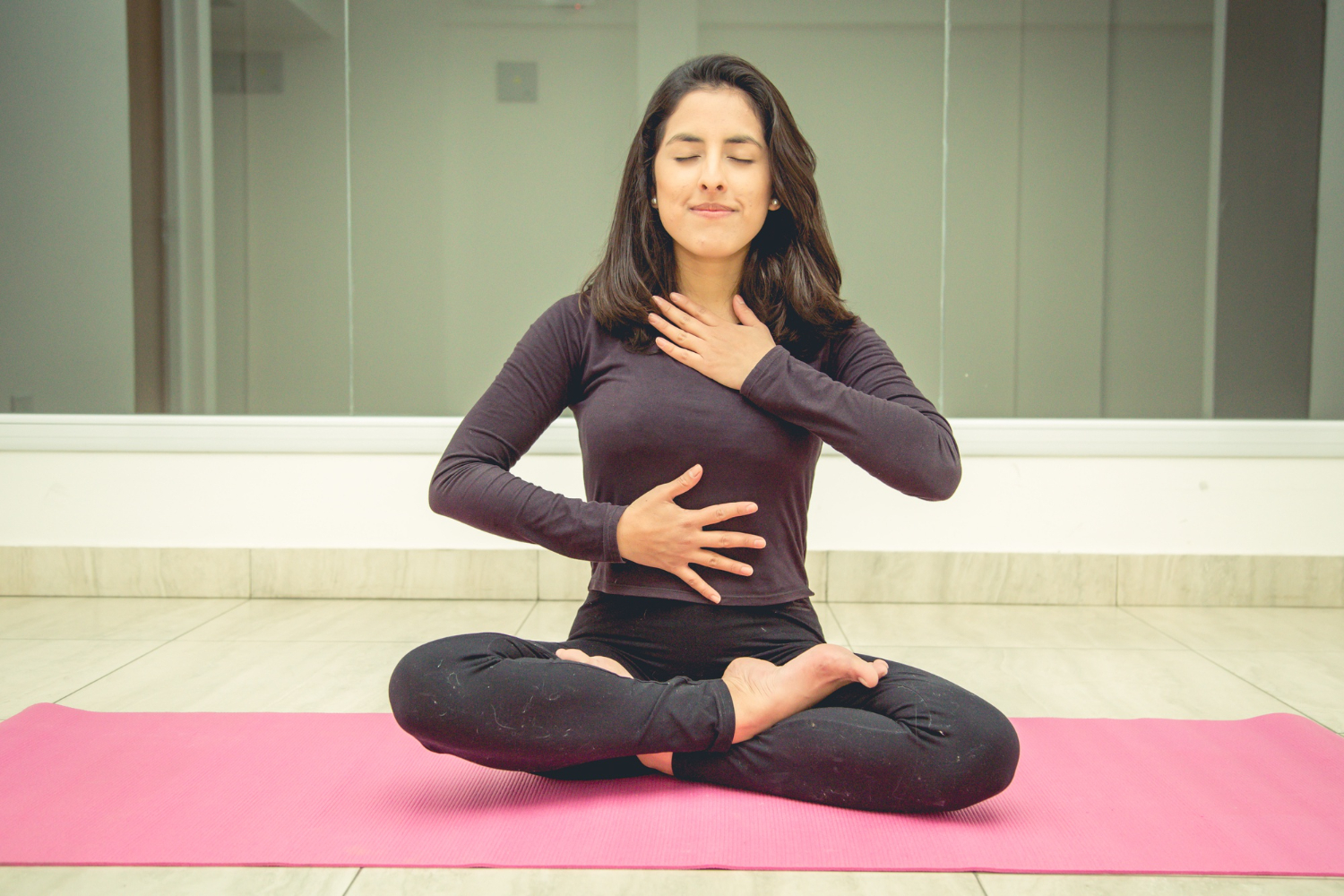
What if just breathing could help you lose weight? Many philosophies around the world call for intense exercise sessions, strict dieting, and seemingly endless fads to help people lose weight through physical activity; therefore, the concept of losing pounds through breathing seems impossible.
For thousands of years, breathing has been used to promote healthy behaviours in Eastern cultures. Controlled breathing (also known as ‘pranayama’) has been linked with improved mental and physical well-being in everything from yoga to meditative techniques. Scientific studies have increased in the last few years that have investigated this correlation, and several studies have shown that breathing techniques can help decrease stress levels while improving attention and emotional health.
While controlled breathing offers many health benefits, you may still wonder how, or if, these techniques relate to weight loss. Let’s explore the connection.
Breathing and weight loss, upon first mention, would not appear connected; however, the way in which one’s breath would assist in regulating several of one’s body’s functions, such as metabolism, stress response, and energy levels, has a great impact on weight loss.
Weight loss is essentially the result of eliminating calories (or consuming fewer calories than the amount of calories your body burns). Therefore, although there won’t be/many calories burned through breathing, as a result of breathing, the body will impact other weight-related areas.
1. Less Stress and Emotional Eating

One important way breathing connects to weight loss is through stress control, which can reduce emotional eating.
When you are under stress, your body releases cortisol (a hormone that causes):
- Increased appetite
- Cravings for sweets/high-fat food
- Increased deposition of fat (especially around your abdominal area)
Breath work stimulates our relaxed state so that our cortisol production is lessened; therefore, controlling emotional eating and making healthy food choices are easier.
Less Stress = Less Cravings = Better Weight Control
2. Increased Mindful Eating Practice

Breath work is an important part of many mindfulness/meditation practices. As you become more conscious of your breath, you become more aware of what is occurring presently in your life, which translates into your eating behaviors:
- You will eat at a slower pace.
- You will be able to identify when you are hungry or full.
- You will not overeat.
Mindful eating is a very effective technique for managing weight, and practicing breath work is instrumental in developing this ability.
3. Better Sleep

Sleep plays an integral part in gaining weight. Lack of sleep disrupts hormones involved with appetite-regulating functions, which creates greater feelings of hunger and decreases satisfaction after the consumption of food.
Breath work, especially in the pre-sleep phase, can help with:
- Calming the nervous system
- Improving sleep quality
- Reducing insomnia
Better sleep will result in a better metabolism (the rate at which your body utilizes food for fuel), along with improved weight control.
4. Increases Oxygen and Energy Levels

When you breathe deeply, you circulate more oxygen around your body, which will:
- Increase your energy.
- Help you perform better when exercising.
- Allow you to exercise for longer periods of time by enhancing your endurance during workouts.
Although deep breathing does not actually burn fat directly, it does help with improving your overall performance when exercising, which also supports weight loss indirectly.
5. May Support Your Metabolism

Breathing techniques such as diaphragmatic breathing may stimulate the parasympathetic nervous system, which helps to regulate your metabolism.
While this benefit will be minimal compared to the benefits of a healthy lifestyle, it can still contribute to overall fat loss when done along with a healthy diet and exercise routine.
6. May Help Reduce Belly Bloating

Breathing exercises, especially those that work on your diaphragm, can help:
- Improve your digestion
- Reduce bloated stomachs
- Strengthen the core
While these benefits may not give you a flat stomach overnight, they can significantly impact your appearance once you start to perform them regularly.
Popular Breathing Exercise Techniques You Can Try

If you want to add some breathing exercises to your daily routine, below are four simple techniques you can try:
1. Deep Belly Breath
Take a deep inhale through your nose, expand your belly, and then slowly exhale. Perform this exercise for 5–10 minutes.
2. Alternate Nostril Breathing
Inhale through one nostril and then switch to the other nostril after you exhale. This technique helps to balance out the nervous system.
3. Kapalbhati (Skull Shining Breath)
An aggressive breathing pattern conducted at a fast pace with the intent of stimulating metabolic rate and digestive function. This technique is also popular within yoga practice.
4. 4-7-8 Breathing Technique
Inhale for a count of four, hold your breath for a count of seven, exhale for a count of eight; this technique is great for reducing stress.
So, Can Breathing Exercises Alone Help You Lose Weight?
To be clear, breathing exercises alone will not change your weight.
Breathing exercises do not:
- Burn a lot of calories.
- Make up for lack of exercise.
- Make up for eating unhealthy.
But breathing exercises can help:
- Reduce stress and emotional eating.
- Help you get to sleep and recover from exercise.
- Help you create better lifestyle habits.
Think of breathing exercises as something to support your goal, but not replace them.
How to Use Breathing Exercises for Better Results?
To see results, you need to combine breathing exercises with:
- A balanced, low-calorie diet
- Regular exercise
- Adequate sleep
- Stress management
Breathwork for just 10-15 minutes a day will help you achieve results within a short period of time.
Wrapping Up!

Breathing is something we do every moment; however, we usually do not think about it very much. While breathing does not actually reduce body fat, it has a major impact on the formation of habits and internal balance necessary for long-term weight loss.
Breathing exercises can help you feel calmer, in control, and connected to your body; these are all important factors required for sustained success when combined with a healthy lifestyle.
Sometimes, the smallest changes—such as changing the way you breathe—can lead to the greatest transformations.
FAQs
- Do breathing exercises help you lose belly fat?
Breathing exercises do not directly get rid of belly fat, but they help reduce stress and bloatedness, which indirectly supports fat loss.
- How long should I practice breathing exercises for weight loss?
Practice breathing exercises for 10 to 15 minutes per day (enough time to significantly reduce stress and increase your ability to focus).
- Can breathing exercises burn calories?
Breathing exercises burn very few calories; therefore, they should not be relied upon as a primary form of weight loss.
- What breathing technique is best for weight loss?
Kapalbhati and deep belly breathing are among the most widely used techniques for supporting a healthy metabolism and enhancing digestion.
- Can I substitute breathing exercises for regular workouts for weight loss purposes?
No, you cannot substitute breathing exercises for regular physical exercises. The two types of exercise complement each other, but neither can substitute for the other.
- Can breathing exercises reduce cravings?
Yes. Breathing exercises reduce levels of stress, which helps to control emotional eating and reduce cravings.
- Can breathing exercises improve metabolism?
Breathing exercises can improve metabolism indirectly by improving the flow of oxygen in the body and lowering levels of stress.
- Are breathing exercises safe for everyone?
Generally, yes. However, people who suffer from medical conditions should consult with their health care provider before beginning any breathing techniques that may be advanced.
Recommended Reads
(The article is written by Deepa Sarkar, Medical Writer, and reviewed by Monalisa Deka, Deputy Manager, Clinical Health & Content, Medical Affairs)