
Hair fall can be frustrating, especially when you start noticing more strands on your pillow, in your hairbrush, or around the shower drain. And when you look for ways to improve your hair health, two names seem to pop up everywhere: biotin and collagen.
Both are popular in hair supplements. Both promise healthier, stronger, and thicker-looking hair. But do they actually work? And more importantly, does your hair need both?
Here’s where things get interesting. Biotin and collagen aren’t the same, and they don’t work in the same way. One (biotn) is a vitamin that helps your body process nutrients, while the other (collagen) is a protein that supports the structure of your skin and other tissues.
Before you spend money on another hair supplement, let’s understand what biotin and collagen actually do, how they differ, and whether either deserves a place in your hair care routine.
What Is Biotin, and How Does It Help Your Hair?
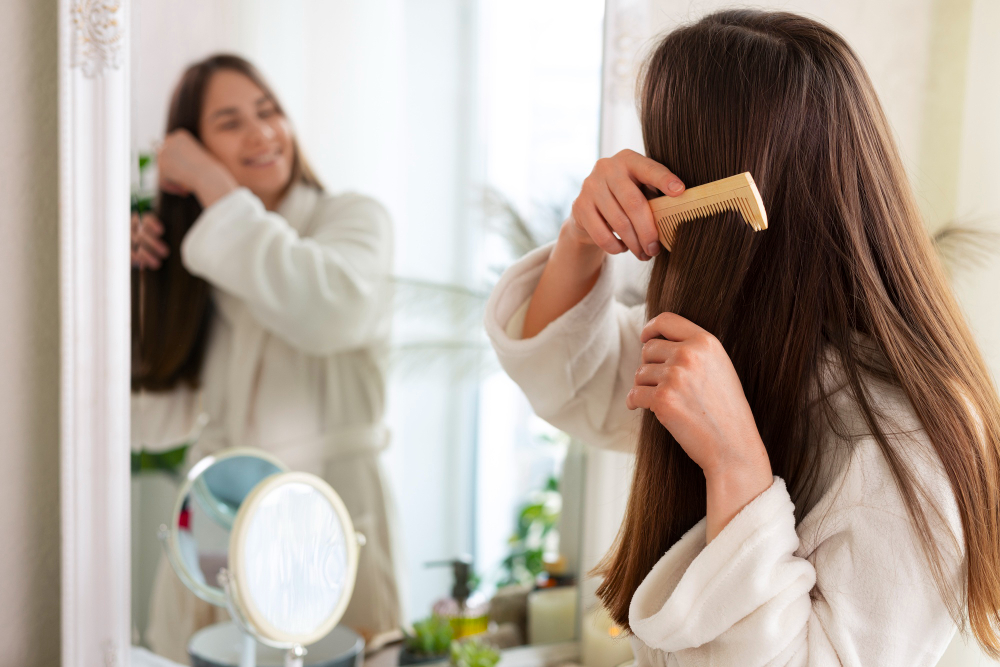
Biotin, also known as vitamin B7, is a water-soluble vitamin that helps your body turn carbohydrates, fats, and proteins into energy.
But what does that have to do with your hair?
Your hair is made mainly of a protein called keratin. Biotin plays a role in normal cell function and processes involved in maintaining healthy hair, skin, and nails.
When your body doesn’t get enough biotin, you may notice hair thinning, brittle nails, or skin problems.
The good news? Biotin deficiency is rare in healthy people who eat a balanced diet [1].
You can get biotin naturally from foods such as eggs, nuts, seeds, fish, meat, and sweet potatoes.
Can Biotin Actually Stop Hair Fall?
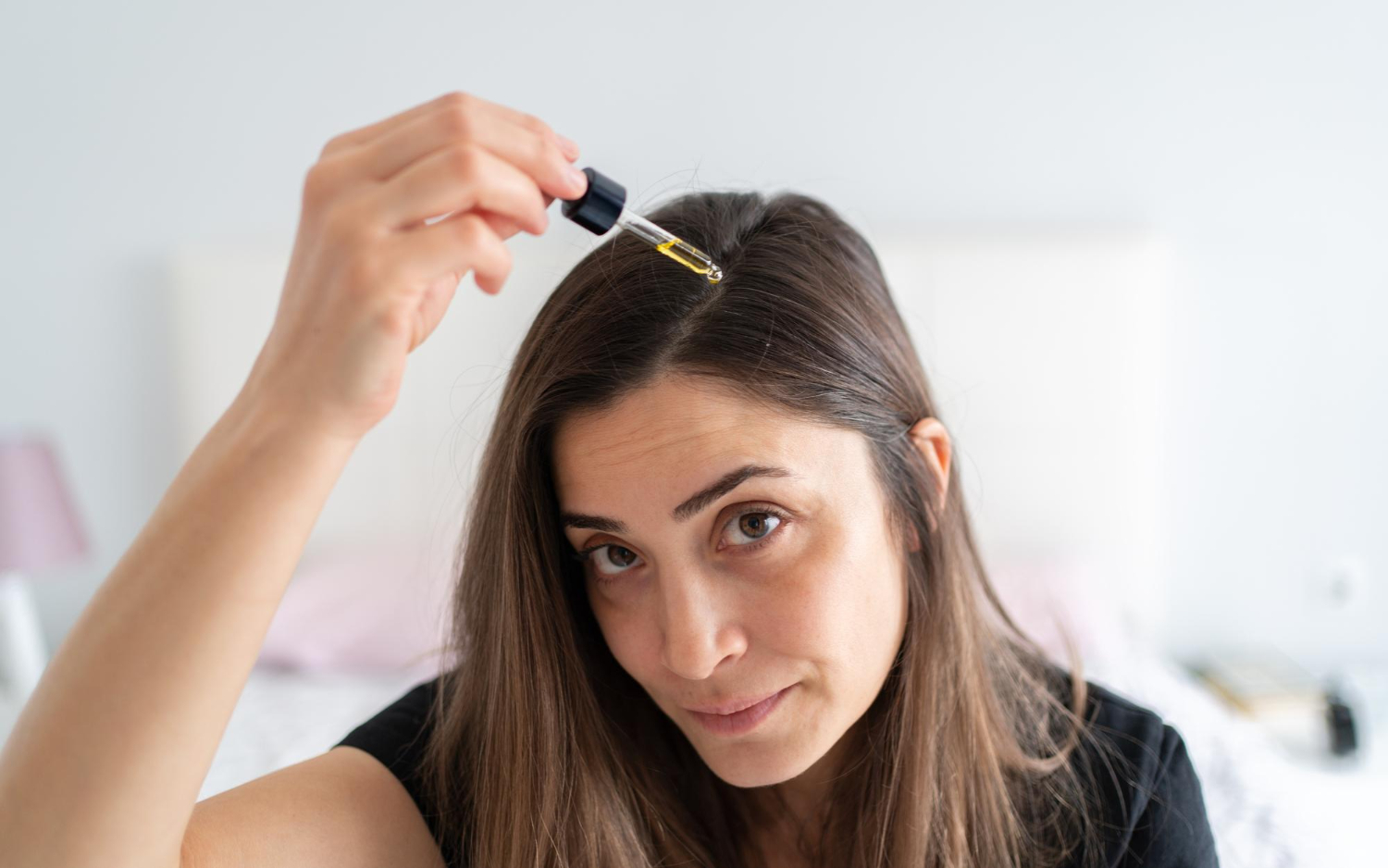
Here’s something supplement advertisements don’t always tell you.
Biotin can help improve hair problems caused by a biotin deficiency. However, there’s limited scientific evidence that taking extra biotin improves hair growth in people who already have enough of it [1, 2].
Think of it this way. If your body is running low on a nutrient, replacing it can help restore normal function. But taking more than you need doesn’t necessarily make your hair grow faster.
Hair fall can happen for many reasons, including stress, hormonal changes, thyroid problems, iron deficiency, and genetics.
So, if your hair is falling because of low iron or a thyroid problem, taking biotin alone is unlikely to solve it.
What Is Collagen, and What Does It Do for Your Hair?
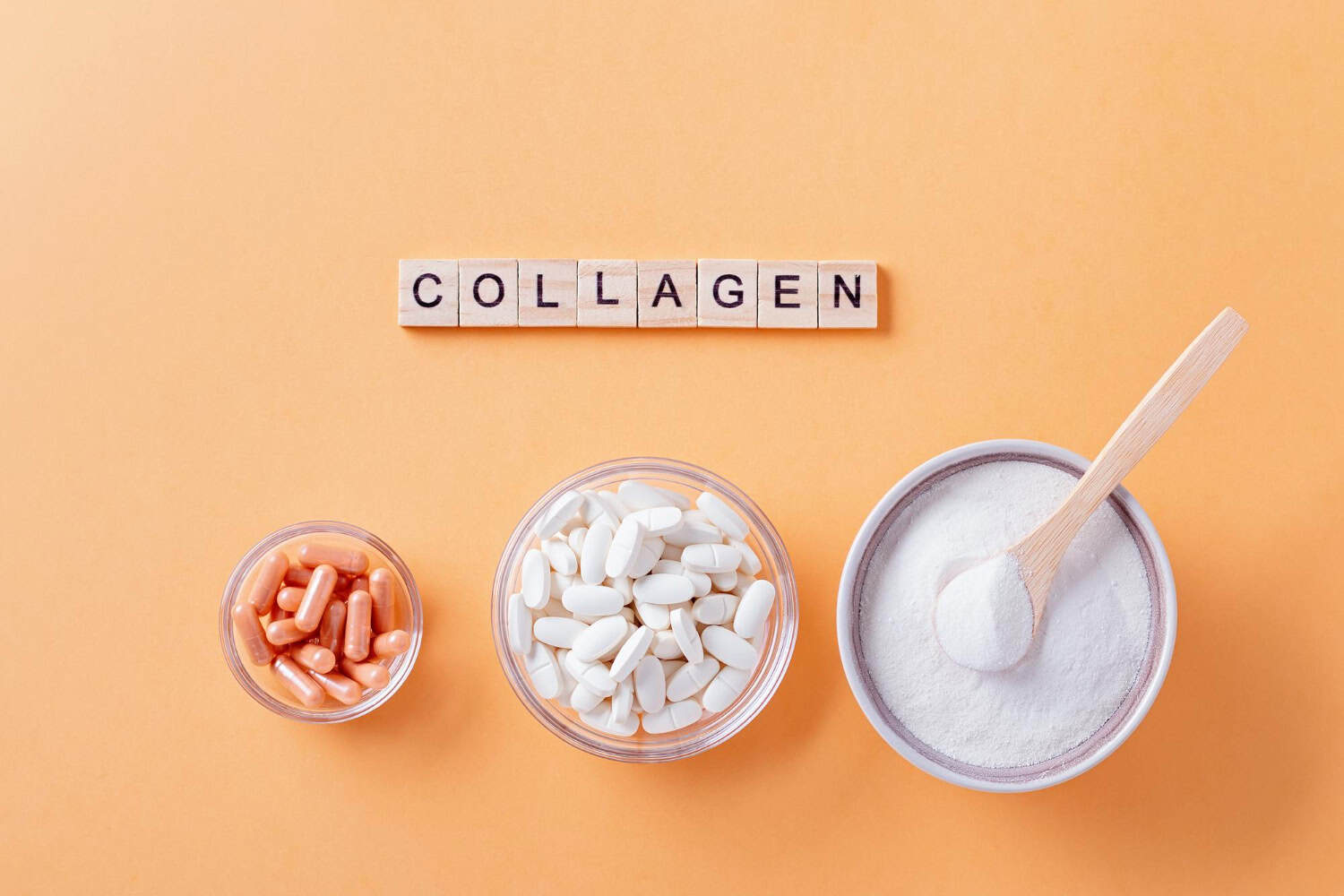
Collagen is the most abundant protein in your body. It helps give structure and strength to your skin, bones, tendons, and connective tissues.
Unlike biotin, collagen isn’t a vitamin. It’s a protein made from amino acids, the building blocks your body uses to make different proteins.
Your body produces collagen naturally, but its production changes with age.
You may have seen collagen powders, gummies, and drinks marketed for glowing skin and thicker hair.
But there’s a catch.
Your hair is made mainly of keratin, not collagen. When you consume collagen, your digestive system breaks it down into smaller peptides and amino acids. Your body then uses these components according to its needs.
This means the collagen you drink doesn’t travel directly to your scalp and turn into new hair.
Can Collagen Make Your Hair Thicker?
Collagen provides amino acids that your body can use to make proteins, including those involved in hair structure.
It also helps support the skin, including the scalp, where hair follicles are located.
However, supporting scalp structure isn’t the same as proving that collagen supplements increase hair growth.
At present, there isn’t enough high-quality human research to confirm that collagen supplements can prevent hair loss, increase hair density, or make hair grow faster [2, 3].
So, while collagen may have a place in your overall nutrition, it shouldn’t be treated as a proven hair-growth solution.
Biotin vs Collagen: What’s the Real Difference?
Although both are linked to hair health, they have different jobs in your body.
| Feature | Biotin | Collagen |
| What is it? | Vitamin B7 | Structural protein |
| Main function | Helps your body process nutrients | Supports skin and connective tissues |
| Role in hair health | Helps maintain normal hair health | Provides amino acids used to make proteins |
| Best evidence | Helps when biotin deficiency is present | Limited evidence for improving hair |
| Food sources | Eggs, nuts, fish, seeds | Meat, fish, bone broth, gelatin |
| Does it regrow hair? | Not proven without deficiency | Not established |
The biggest difference is that biotin is an essential vitamin your body needs in small amounts, while collagen is a protein your body can produce on its own when it has the right nutrients.
Neither is a guaranteed solution for hair loss.
Biotin or Collagen: Which Is Better for Hair Growth?
If you’re trying to choose between biotin and collagen, the answer depends on why you’re experiencing hair problems.
For someone with a confirmed biotin deficiency, biotin supplementation makes sense. Correcting the deficiency can help improve related symptoms, including hair thinning [1].
For someone with normal biotin levels, taking more isn’t likely to produce dramatic changes.
Collagen is a little different. It may help provide amino acids and support skin health, but researchers are still studying whether collagen supplements can improve hair thickness or growth.
A 2026 review published in Nutrients found some encouraging results for collagen and hair quality. However, the researchers also pointed out that many studies were small, short, or involved products containing multiple ingredients. Larger, independent studies are still needed [3].
So, which one wins?
Biotin has a clearer role when a deficiency exists. Collagen has potential, but the evidence for hair growth remains uncertain.
If you aren’t deficient in biotin and already eat enough protein, neither supplement may offer much extra benefit.
Can You Take Biotin and Collagen Together?
Yes, biotin and collagen can generally be taken together. They work differently in the body, and there’s no established harmful interaction between the two at usual intake levels.
That’s why you’ll often find them combined in hair, skin, and nail supplements.
But combining two popular ingredients doesn’t automatically double their benefits.
Before taking them, check whether you actually need supplementation. A balanced diet may already provide enough biotin and the amino acids your body needs.
Also, pay attention to supplement labels. Some hair supplements contain high doses of biotin, often much higher than your daily requirement.
According to the National Institutes of Health, adults need about 30 micrograms of biotin per day [1]. Taking high-dose biotin supplements can interfere with certain blood tests, including thyroid and heart-related tests, and lead to misleading results.
If you’re taking biotin, tell your doctor or laboratory before getting blood tests.
Can You Get Biotin and Collagen Naturally From Food?
You don’t always need a supplement bottle to support healthy hair. Your everyday meals can provide many of the nutrients involved in hair growth.
For biotin, include foods such as cooked eggs, almonds, sunflower seeds, fish, and sweet potatoes.
For collagen, animal foods such as meat, fish, and gelatin provide collagen or collagen-derived proteins.
Your body can also make its own collagen using amino acids from protein-rich foods. Vitamin C plays an important role in this process.
So, don’t forget fruits and vegetables such as amla, guava, oranges, capsicum, and broccoli.
If you’re vegetarian, you can still support collagen production by eating enough protein from foods like dal, beans, soy, paneer, and nuts, along with vitamin C-rich foods.
And if you’re wondering whether the type of fat you eat matters for your overall health, our guide on avocado vs ghee and their effects on heart health explains how different dietary fats compare.
What If Your Hair Fall Has Nothing to Do With Biotin or Collagen?
This is probably the most important question to ask.
It’s easy to assume that hair fall means your body needs a hair supplement. But hair loss has several possible causes, and nutritional deficiencies are only one part of the picture.
For example, low iron levels can contribute to hair shedding. Thyroid disorders, hormonal changes, Polycystic Ovary Syndrome (PCOS)recent illness, rapid weight loss, certain medications, and ongoing stress can also affect your hair growth cycle.
Sometimes, hair shedding begins two or three months after a stressful event or illness. This is known as telogen effluvium, and it often improves once the trigger is addressed.
Genetic hair loss, on the other hand, usually needs a different approach.
If you’re noticing widening of your hair part, bald patches, sudden heavy shedding, or persistent thinning, consider visiting a dermatologist.
Depending on your symptoms and medical history, your doctor may recommend checking your blood count, iron stores, or thyroid function.
Finding the actual cause can save you months of trying supplements that your hair may not need.
Simple Habits That Support Healthier Hair
Supplements aren’t the only way to care for your hair. A few everyday habits can make a difference, especially if your hair is prone to breakage.
Start with your meals. Make sure you’re eating enough protein from eggs, dairy products, lentils, soy, fish, or chicken. Hair is made mainly of protein, so getting enough through your diet matters.
Avoid crash diets. Sudden calorie restriction and rapid weight loss can trigger hair shedding.
Be gentle with your hair, too. Tight hairstyles, frequent heat styling, harsh chemical treatments, and rough brushing can damage hair strands and increase breakage.
Sleep and stress management also deserve attention. While improving sleep won’t cure every type of hair loss, it supports your general health.
You can also make simple dietary choices that benefit more than just your hair. For example, if coffee is part of your morning routine, explore six potential health benefits of black coffee and how your daily cup may fit into a healthy lifestyle.
The goal isn’t to follow a perfect routine. It’s to give your body the nutrients and care it needs consistently.
The Bottom Line
Biotin and collagen both have roles in your body, but neither is a magic fix for hair growth.
Biotin is essential for normal body function and can help when hair problems are linked to a deficiency. Collagen supports skin and connective tissues and provides amino acids, but its direct benefits for hair growth still need stronger scientific evidence.
If you’re eating a balanced diet and don’t have a nutritional deficiency, adding either supplement may not change your hair much.
Instead of choosing a supplement based on its popularity, start by understanding what’s causing your hair fall. Your hair needs the right care, not necessarily another capsule.
FAQs
1. Is biotin better than collagen for hair growth?
Biotin has stronger evidence for helping hair problems caused by biotin deficiency. Collagen may support overall protein intake and skin health, but its ability to improve hair growth hasn’t been clearly established.
2. Can biotin and collagen regrow lost hair?
Neither supplement is proven to regrow hair lost due to genetics or hormonal conditions. Biotin may help restore normal hair health if you’re deficient, but the treatment for hair loss depends on its underlying cause.
3. How long does biotin take to work for hair?
If you have a biotin deficiency, improvements may take several months after treatment begins because hair grows slowly. If your biotin levels are already normal, taking extra biotin may not improve your hair.
4. Does collagen make hair thicker?
Some small studies suggest collagen-containing supplements may improve certain hair-related measures. However, there’s not enough reliable evidence to confirm that collagen alone makes hair thicker.
5. Can I take biotin and collagen every day?
They can generally be taken together, but daily supplementation isn’t necessary for everyone. Check the ingredients and doses, especially for biotin, and speak with a healthcare professional if you have medical conditions or take medication.
6. Which vitamin deficiency causes hair loss?
Low levels of nutrients such as biotin, iron and vitamin D may be associated with certain types of hair loss. However, not all hair loss is caused by deficiencies, and taking supplements without a confirmed need may not help.
7. Is collagen vegetarian or vegan?
Most collagen supplements come from animal sources, including fish, cattle, or pigs. Products marketed as vegan collagen boosters generally contain nutrients intended to support your body’s collagen production rather than collagen itself.
References
1. National Institutes of Health, Office of Dietary Supplements. Biotin: Fact Sheet for Consumers. Available from: NIH Biotin Fact Sheet.
2. Rustad AM, Nickles MA, McKenney JE, Bilimoria SA, Lio PA. Myths and media in oral collagen supplementation for the skin, nails, and hair: A review. J Cosmet Dermatol. 2022;21(2):438-443. PubMed.
3. Biełach-Bazyluk A, Jurga M, Flisiak I, Zbroch E. Dietary Collagen Supplementation as a Strategy for Skin Health: A Narrative Review of Clinical Effects on Skin, Hair, Nails, and Wound Healing. Nutrients. 2026;18(13):2141. PubMed.
(The article is written by Mantasha, Sr. Executive, Clinical Health & Content, and reviewed by Monalisa Deka, Deputy Manager, Clinical Health & Content, Medical Affairs.)
Recommended Reads:
10 Healthy Foods Rich in Vitamin D You Should Add to Your Diet
Clinically Explained Vitamin D Supplements: Benefits, Dosage & Timing