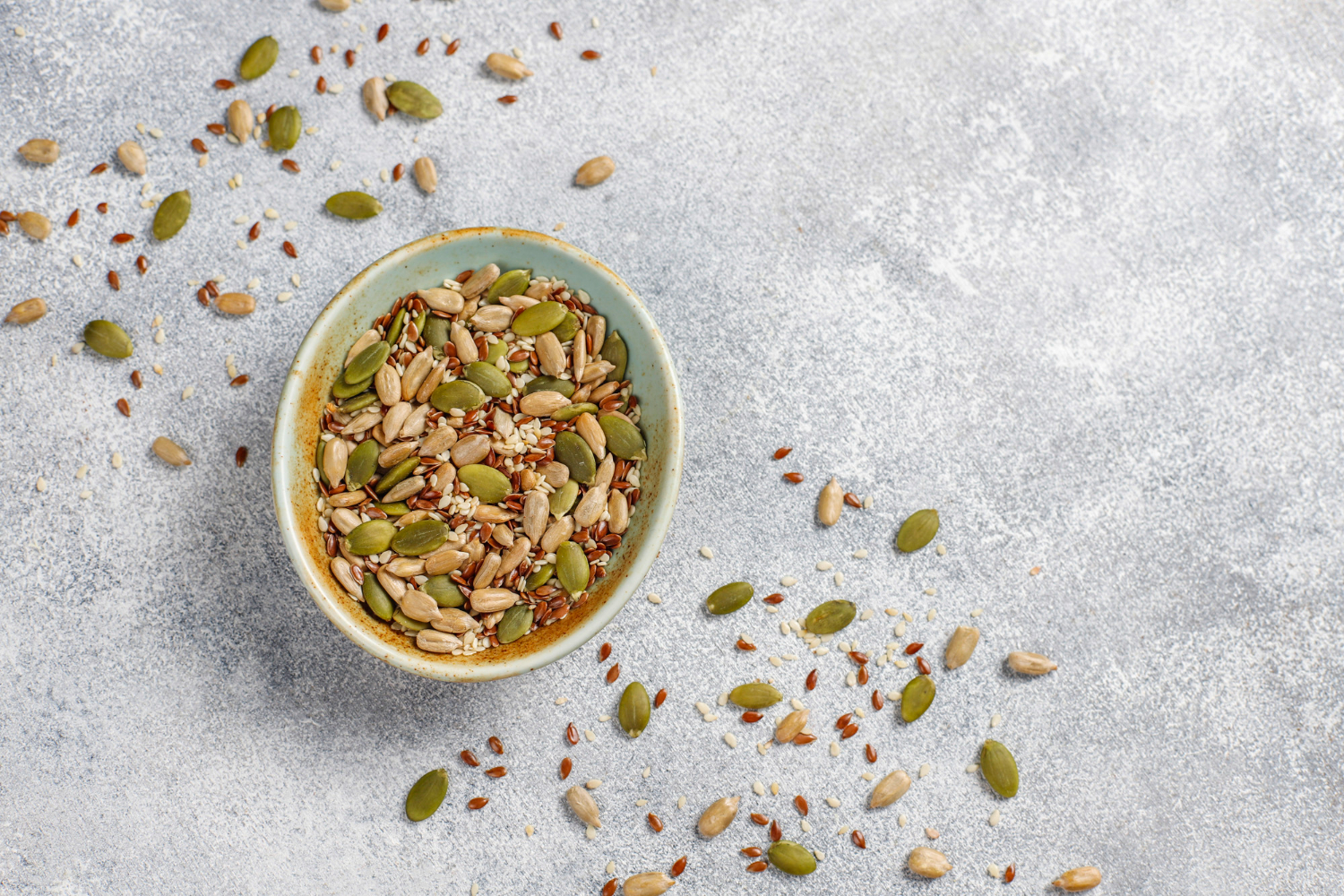
Weight loss is often thought of in terms of restrictive diets or eating less, but another way to help is to eat more nutrient-dense foods. Seeds are a popular, nutrient-rich food and may be an important part of supporting people who are trying to lose weight.
Seeds contain fibre, healthy fats, plant-based protein, and essential vitamins and minerals. These nutrient-dense foods may help you feel full, cut down on snacking between meals, and support overall metabolism. No food will magically help you burn fat; however, adding seeds to a healthy diet may help make weight loss efforts more successful.
If you are trying to lose weight, then some seeds that you can add to your diet include papaya, flax, sunflower, and chia seeds.


How Can Seeds Help in Weight Loss?

Seeds have several characteristics that make them useful for weight management, including:
- High in dietary fibre
- Contain healthy fats
- Contain plant-based protein
- Help with fullness
- Support healthy digestion
- Easy to add to meals and snacks.
The combination of fibre and protein creates a slow-acting effect that will keep you fuller longer between meals.
Best Seeds for Weight Loss
1. Chia Seeds
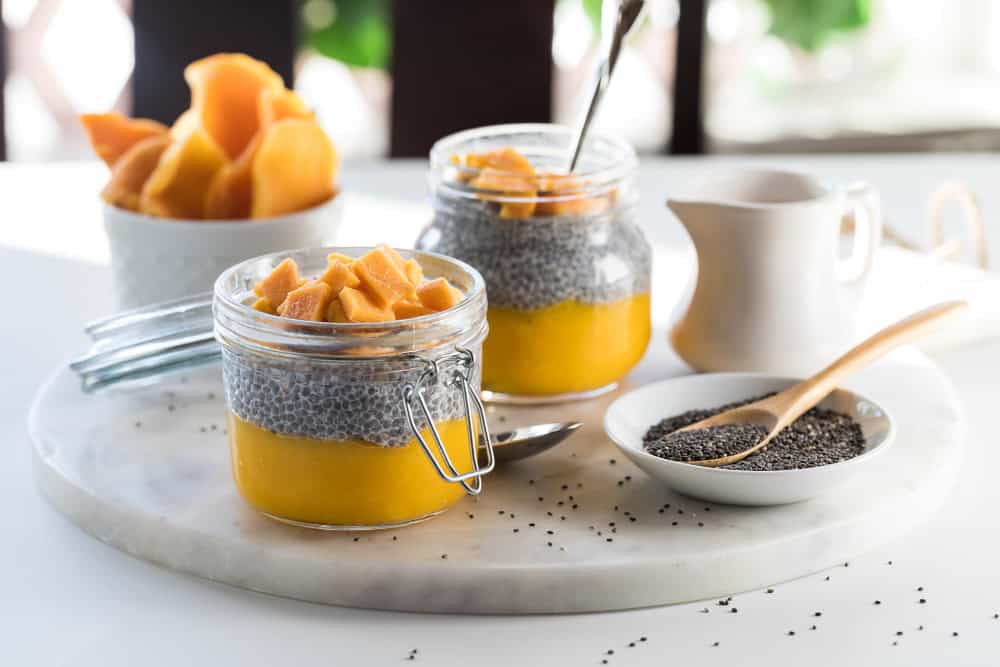
Why Chia Seeds Are Popular for Weight Loss
When consuming chia seeds, a serving of 2 tablespoons of chia seeds contains:
- Nearly 10 grams of fibre
- A Plant basis for protein
- Omega-3 fatty acids
- Calcium
- Magnesium
Easy Recipe: Chia Berry Pudding
Ingredients needed to create the pudding with chia seeds:
- 2 tablespoons of chia seeds
- 1 cup of milk (or plant-based milk)
- Mixed berries
- Cinnamon
Directions: Mix chia seeds with milk. Refrigerate overnight and top with berries and cinnamon when ready to serve.
2. Flax Seeds
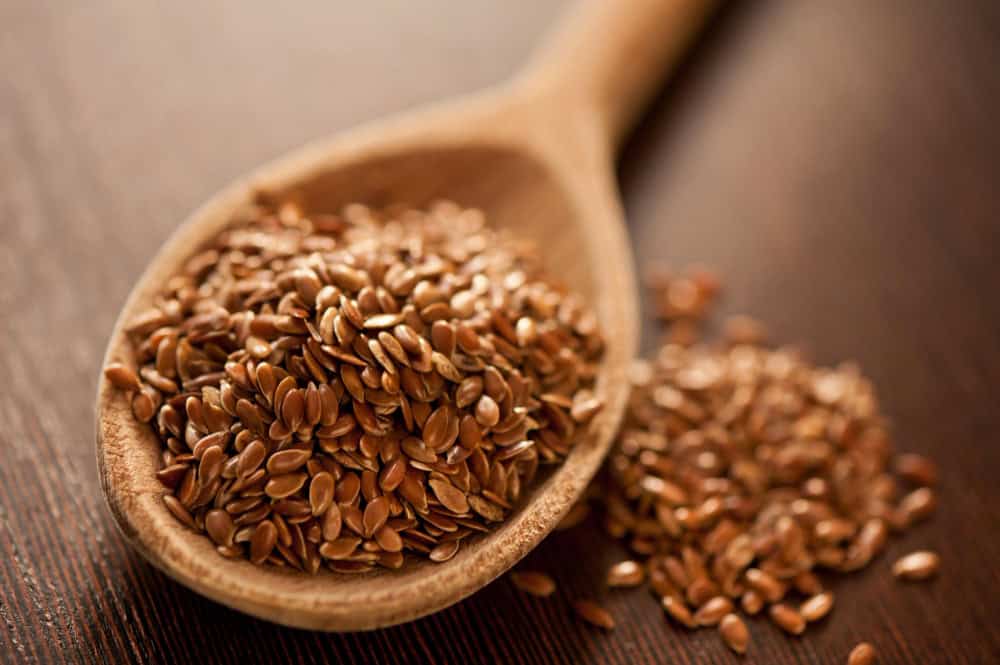
How Flax Seeds Support Weight Management
Flax is rich in soluble fibre (a type of dietary fibre), which absorbs water and forms a gel-like material when ingested. The gel-like material in the intestine may help to slow down the process of digestion, helping people to feel fuller for a longer period of time, thereby reducing cravings and maintaining digestive regularity.
Ground Flax seeds are easier to digest than whole Flax seeds.
Nutritional features of flax seeds include:
- 1 tablespoon of flax provides:
- Fiber
- Plant-based protein
- Omega-3 fatty acids
- Lignans (plant compounds that have antioxidant properties)
Easy Recipe: Flax Seed Yogurt Bowl
Ingredients needed to make the Yogurt Bowl:
- 1 cup of Greek yogurt
- 1 tablespoon of ground flaxseed
- Banana sliced
- Handful of chopped nuts
Directions: Mix all ingredients and enjoy as a tasty filling breakfast or snack.
3. Sunflower Seeds
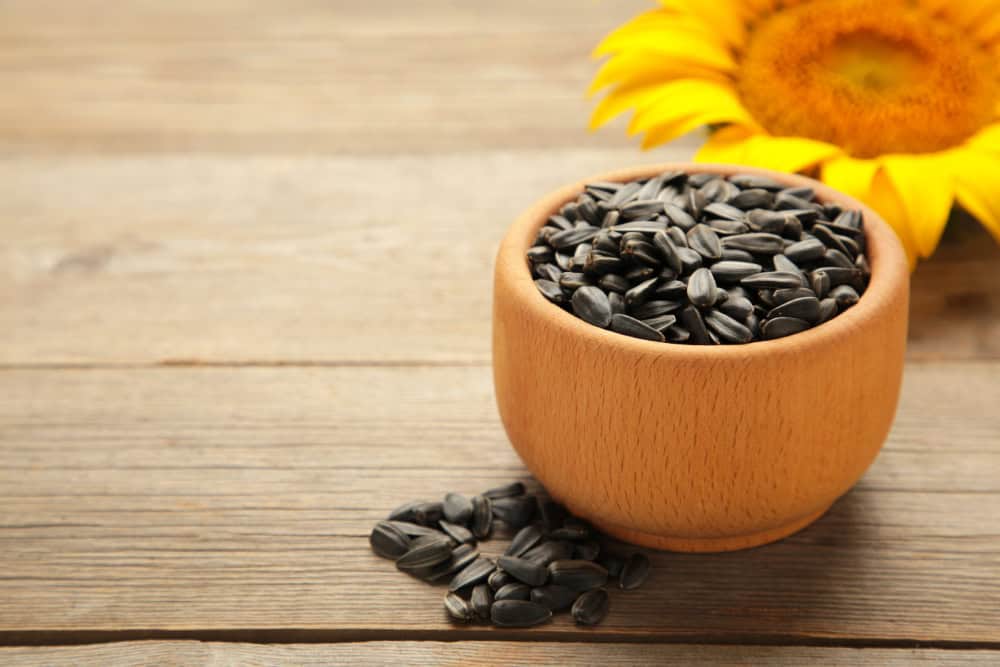
Why Sunflower Seeds Deserve Attention
Sunflower Seeds have healthy fats and protein, making them an excellent snacking option. Eating sunflower seeds in moderation can also help control your appetite by making you less likely to resort to unhealthy snacks.
Nutritional properties of sunflower seeds consist of:
- Vitamin E
- Proteins
- Unsaturated/healthy fats
- Magnesium
- Selenium
Easy Recipe: Sunflower Seed Trail Mix
Ingredients needed to make sunflower seed trail mix:
- 2 tablespoons sunflower seeds
- Almonds
- Walnuts
- Unsweetened dried fruit
Directions: Combine ingredients and store in an airtight container for a convenient snack.
4. Basil Seeds (Sabja Seeds)
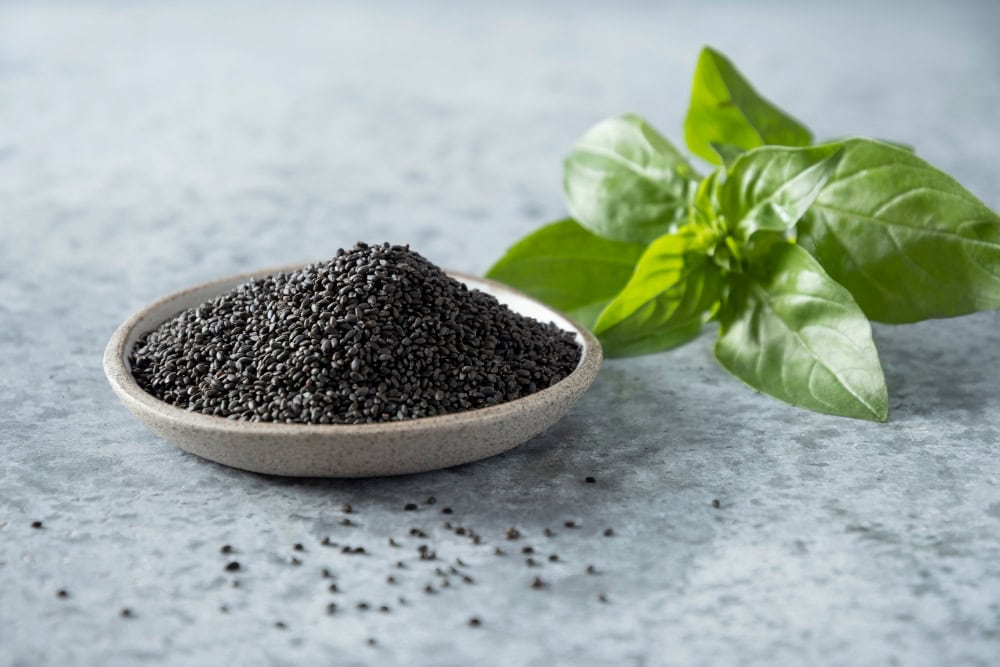
How Basil Seeds Can Help You Lose Weight
Basil seeds or sabja seeds are very high in soluble fiber, and they absorb water quickly and develop a gelatinous or jelly-like coating, adding to the feeling of fullness, decreasing your appetite, and aiding in the digestion process by assisting with adequate human metabolism (body chemistry).
Because of their expansion after being soaked, it is common to use basil seeds in snacks and drinks that are healthy and conducive to weight loss.
Nutritional properties of basil seeds consist of:
- Dietary fibre
- Plant protein
- Iron
- Calcium
- Antioxidants
Easy Recipe: Basil Seed Lemon Drink
Ingredients
- 1 oz Basil Seeds
- 8 oz Water
- Juice from a 1/2 Lemon
- Ice (optionally)
Directions: Soak & leave basil seeds submerged in water for approx 15 – 20 mins or until seeds become plump (you’ll need to extend soaking time if you start with dry seeds). Squeeze some fresh lemon juice over soaked seeds, stir, and enjoy a deliciously refreshing beverage.
Which Seed Is Best for Weight Loss?
Each seed offers unique benefits.
| Seed | Key Benefit |
| Chia Seeds | High fiber and excellent satiety |
| Flax Seeds | Soluble fiber and digestive support |
| Sunflower Seeds | Protein-rich snacking option |
| Papaya Seeds | Digestive support and antioxidants |
Note: It is best to eat a variety of seeds to gain the maximum nutritional value, and your doctor or nutritionist should be consulted before making large changes to your diet or beginning a new food.
Ways to Include Seeds in Your Daily Diet
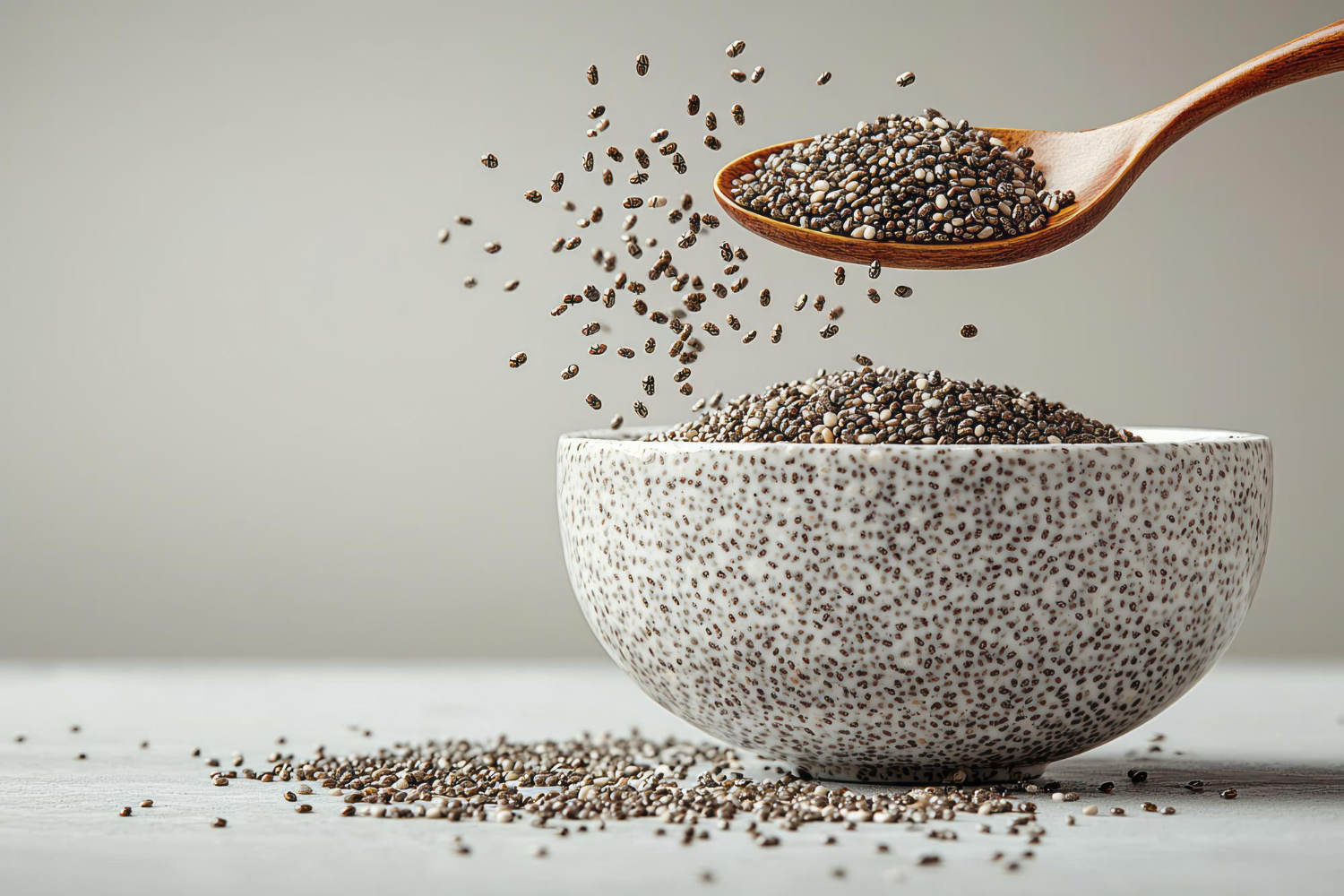
You can easily incorporate seeds into everyday meals:
- Add papaya seeds to your daily meals easily:
- Add chia seeds to your smoothies
- Mix ground flax seeds into your oatmeal
- Sprinkle or mix unsalted sunflower seeds into your salads
- Add crushed papaya seeds to your smoothies
- Mix papaya seeds with yogurt
- Include seeds like chia & flax into energy balls you make yourself.
When making these small additions to your daily diet, you can gradually increase your fibre and nutrient intake.
Common Mistakes to Avoid

Consuming Too Many Seeds
Seeds are high in calories, even though they’re high in nutrients. Therefore, you should practice portion control.
Not Drinking Enough Water
If you eat foods high in fibre, like seeds, you should also drink plenty of liquids for these fibres to support your body and aid in digestion.
Only Eating Seeds
Are you relying on seed alone for weight loss? Your weight loss journey will be impacted by what you eat, how active you are, your sleep habits, and how consistent you are.
Whole Flax Seeds vs. Ground Flax Seeds
Whole flax seeds may not be digested while moving through the body. Ground flax seeds are usually considered to be a better option.
Wrapping Up!

If you are looking to lose weight, seeds can be a good addition to your weight-loss-friendly meal plans. Chia seeds provide an extraordinary amount of fibre, flax seeds help you feel full, sunflower seeds provide protein and good fats, and papaya seeds are full of beneficial plant compounds.
The consumption of seeds alone is insufficient to produce positive results for weight management; however, they can increase the sense of fullness in an individual, improve the quality of the individual’s diet, and overall enhance the enjoyment of food. The most effective use of seeds is to consume them along with a balanced diet, perform daily physical exercise, and make healthy choices according to a healthy lifestyle to achieve maximum benefit.
FAQS
Q. Which is the best seed for losing weight?
The highest fibre-containing seeds are chia seeds, and they are also good at making people feel full.
Q. Can I eat seeds daily?
Yes, moderate quantities of seeds each day will provide good nutrition as part of a well-balanced diet.
Q. Should I soak chia seeds before eating them?
Although they do not have any health advantages to soaking chia seeds before eating, some people find it easier to use them after being soaked.
Q. Flaxseed or Chia seed, which is better?
Both have benefits. Lignans are abundant in flax seeds, while fibre predominates in this genus of seeds.
Q. Can sunflower seeds reduce abdominal fat?
While there is no single food that can influence stomach fat to an extent, sunflower seeds provide good nutrition within the context of a balanced diet and will assist with weight control.
Q. Is it safe to eat papaya seeds?
Eating a few papaya seeds is fine; however, consuming large quantities is not.
Q. What is the best time to eat seeds to lose weight?
Seeds can be consumed any time (breakfast, as a snack, or just before a workout).
Q. Can I use seeds as a meal replacement?
The answer to whether or not seeds can be used as a meal replacement is no; instead, they should be eaten along with other foods for an overall healthy diet.
(The article is written by Deepa Sarkar, Senior Medical Writer, and reviewed by Monalisa Deka, Deputy Manager, Clinical Health & Content, Medical Affairs)