
Your skin needs more than a good cleanser and moisturizer. What you eat and drink also affects the nutrients your body has available to support healthy skin. Fruits and vegetables provide nutrients such as vitamin C, vitamin A, vitamin E, and plant compounds that can support normal skin function.
Juices can be an easy way to add more fruits and vegetables to your day. But there’s one catch: juicing removes much of the fiber found in whole produce. So, whenever possible, eating the whole fruit or vegetable is a better choice.
If you enjoy juice, keep it simple. Choose fresh fruits and vegetables, skip added sugar, and don’t treat juice as a replacement for your meals.
Here are eight juices you can add to your routine for a nutrient-rich diet that supports healthy-looking skin.
1. Carrot juice
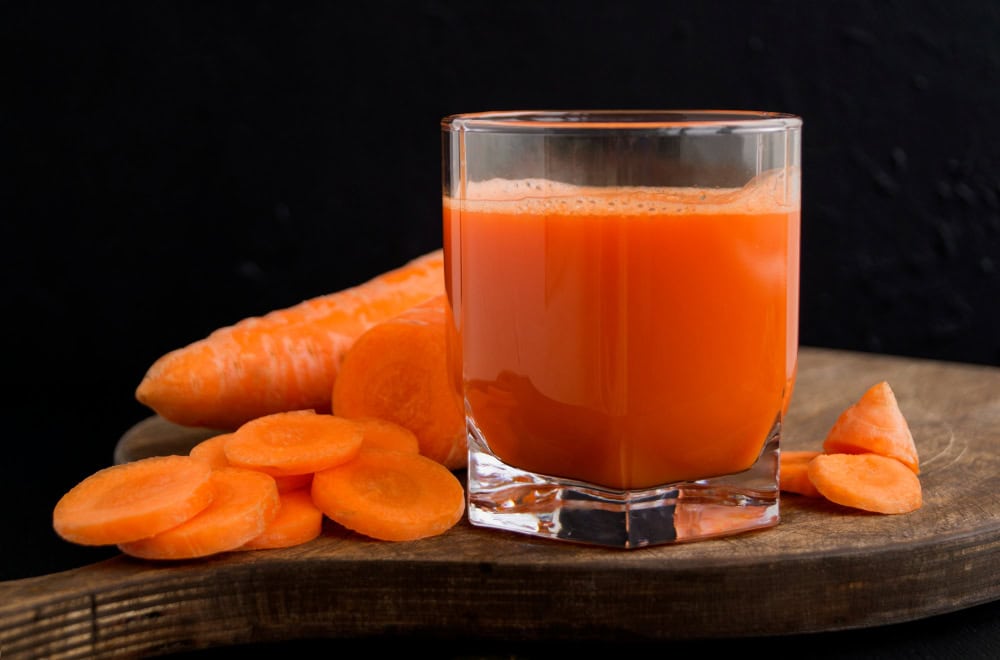
Carrots are rich in beta-carotene, which your body can convert into vitamin A. Vitamin A is important for normal skin health, and orange and yellow vegetables are among the food sources dermatologists recommend for this nutrient.
A glass of fresh carrot juice can be an easy way to include more vegetables in your diet. You can also blend carrots with a small piece of ginger or an orange for extra flavor.
Don’t add sugar. Carrots already have a naturally sweet taste.
Carrot juice isn’t a magic solution for pigmentation, acne, or wrinkles. Think of it as one small part of a diet that includes plenty of colorful vegetables.
2. Tomato juice
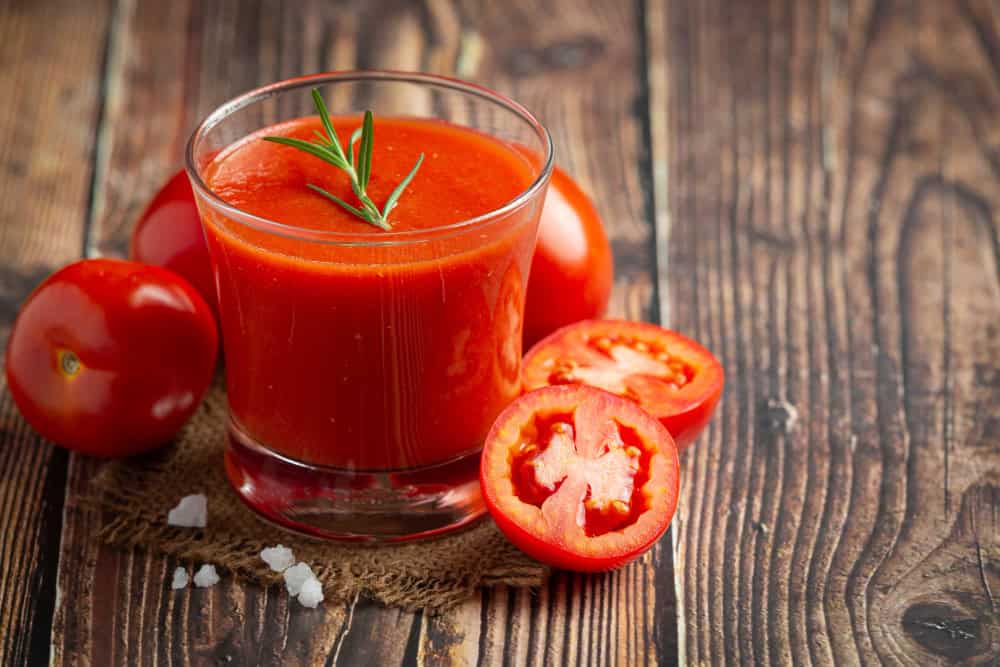
Tomatoes contain vitamin C and carotenoids, including lycopene. Vitamin C supports collagen formation and also acts as an antioxidant.
Fresh tomato juice can be a refreshing option when you want something savory instead of another sweet fruit juice.
You can blend fresh tomatoes with cucumber, mint, and a little lemon juice. If you’re watching your salt intake, skip the extra salt, especially when using packaged tomato juice.
And there’s no need to drink huge amounts. A moderate serving alongside a balanced diet is enough.
3. Amla juice

Amla, or Indian gooseberry, is naturally rich in vitamin C. Vitamin C helps support collagen formation and protects cells from oxidative damage.
Amla juice has a strong, sour flavor, so many people dilute it with water. You can also combine a small amount of fresh amla with other fruits or vegetables.
If you’re using packaged amla juice, check the label. Some products contain added sugar, which can turn a simple drink into a much sweeter beverage than you intended.
Amla doesn’t need to be taken as a concentrated “beauty shot” to be useful. Your overall diet matters more than one particular drink.
4. Beetroot juice
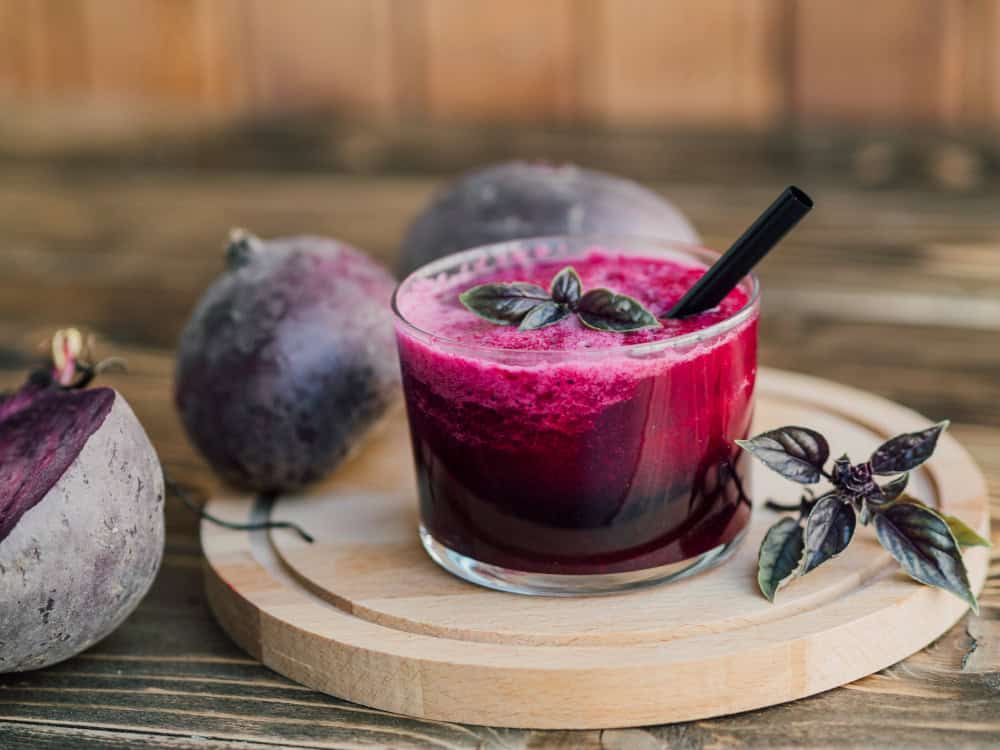
Beetroot gives your juice a bright color and provides nutrients such as folate and potassium, along with plant compounds called betalains.
You can make beetroot juice on its own, but its earthy taste can be quite strong. Try mixing it with carrot, apple, or cucumber.
Keep the portion sensible, particularly if you’re making a fruit-and-vegetable combination. Adding several naturally sweet fruits can increase the sugar content of the drink.
One more thing: beetroot can temporarily turn your urine or stool pink or red. This is called beeturia and can happen after eating beetroot. It can look alarming, but it’s usually harmless.
5. Cucumber and mint juice
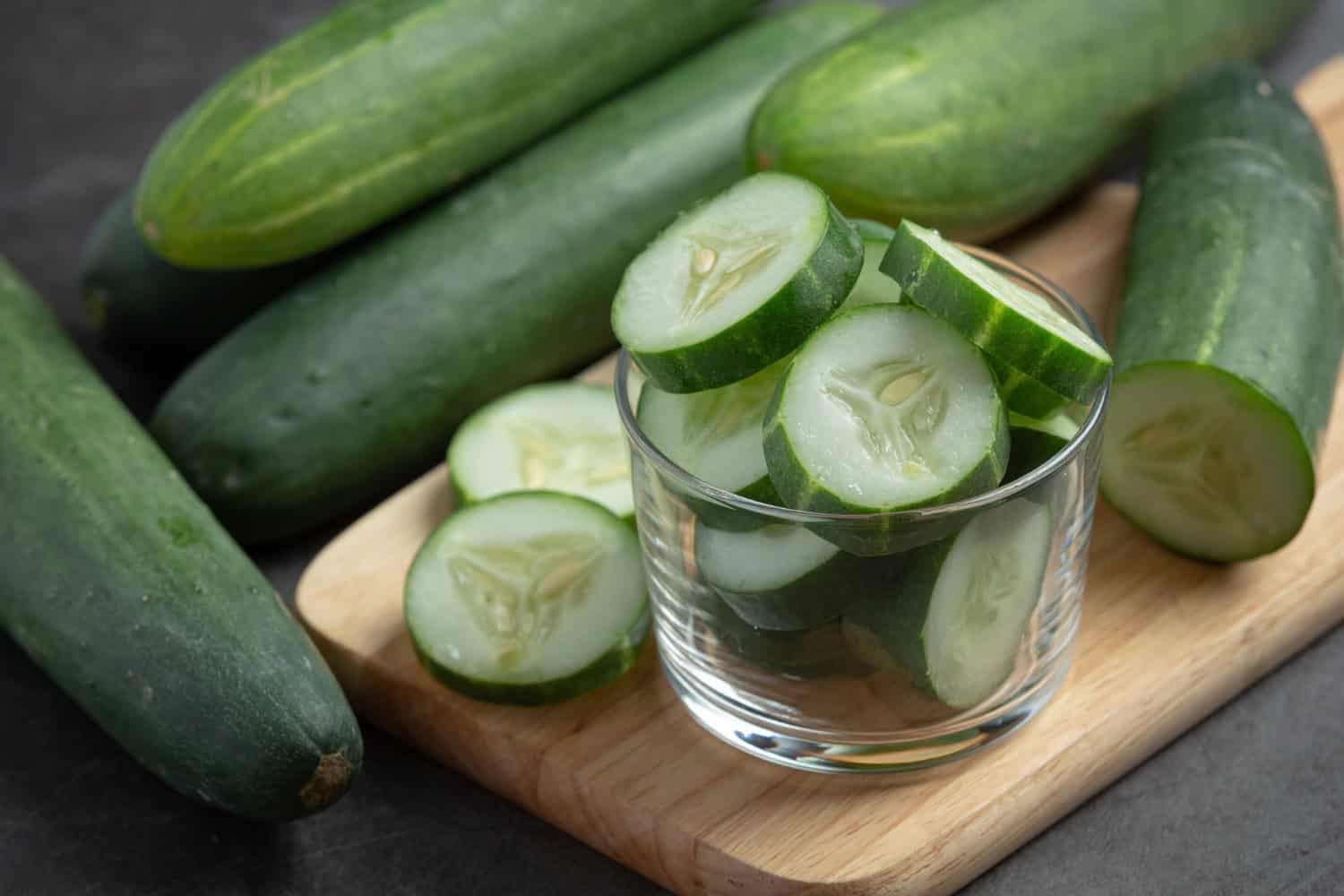
Cucumber juice is mostly water, which makes it a light option when you want a refreshing drink.
Staying hydrated is important for your overall health, and dehydration can make your skin appear dry. But don’t expect cucumber juice alone to transform your skin. Plain water still works perfectly well for hydration.
Try blending cucumber with mint and a squeeze of lemon. You can keep the pulp instead of straining it completely, which helps retain more of the fiber.
This is also a good option if you don’t enjoy very sweet juices.
6. Orange juice

Oranges are a familiar source of vitamin C. Vitamin C supports collagen formation and has antioxidant functions that help protect cells from damage.
Fresh orange juice can fit into a healthy diet, but eating the whole orange has an advantage: you get more fiber, and it tends to be more filling. Research comparing whole fruit with 100% fruit juice consistently points to whole fruit as the better option for satiety and fiber.
So, if you’re choosing between eating an orange and drinking orange juice every day, eat the orange more often.
When you do have juice, choose 100% orange juice without added sugar.
7. Spinach and green vegetable juice
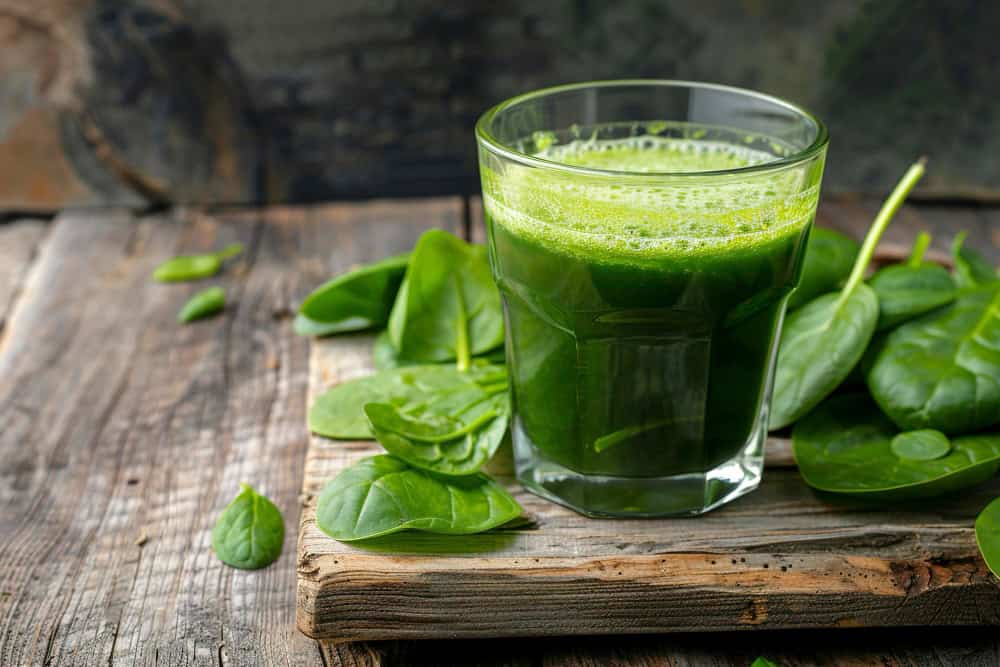
Spinach provides vitamin A precursors, vitamin C, vitamin E, and other nutrients that contribute to a healthy diet. Green vegetables are also among the foods recommended by dermatologists as sources of nutrients that support skin, hair, and nail health.
You don’t have to make an intimidating green juice packed with ten different ingredients.
Start with spinach, cucumber, and a small amount of apple for sweetness. Add lemon or mint if you like.
Keep some pulp in the drink rather than straining everything out. Better still, use spinach in salads, sabzi, soups, or smoothies where you can retain more of the vegetable’s fiber.
8. Watermelon juice
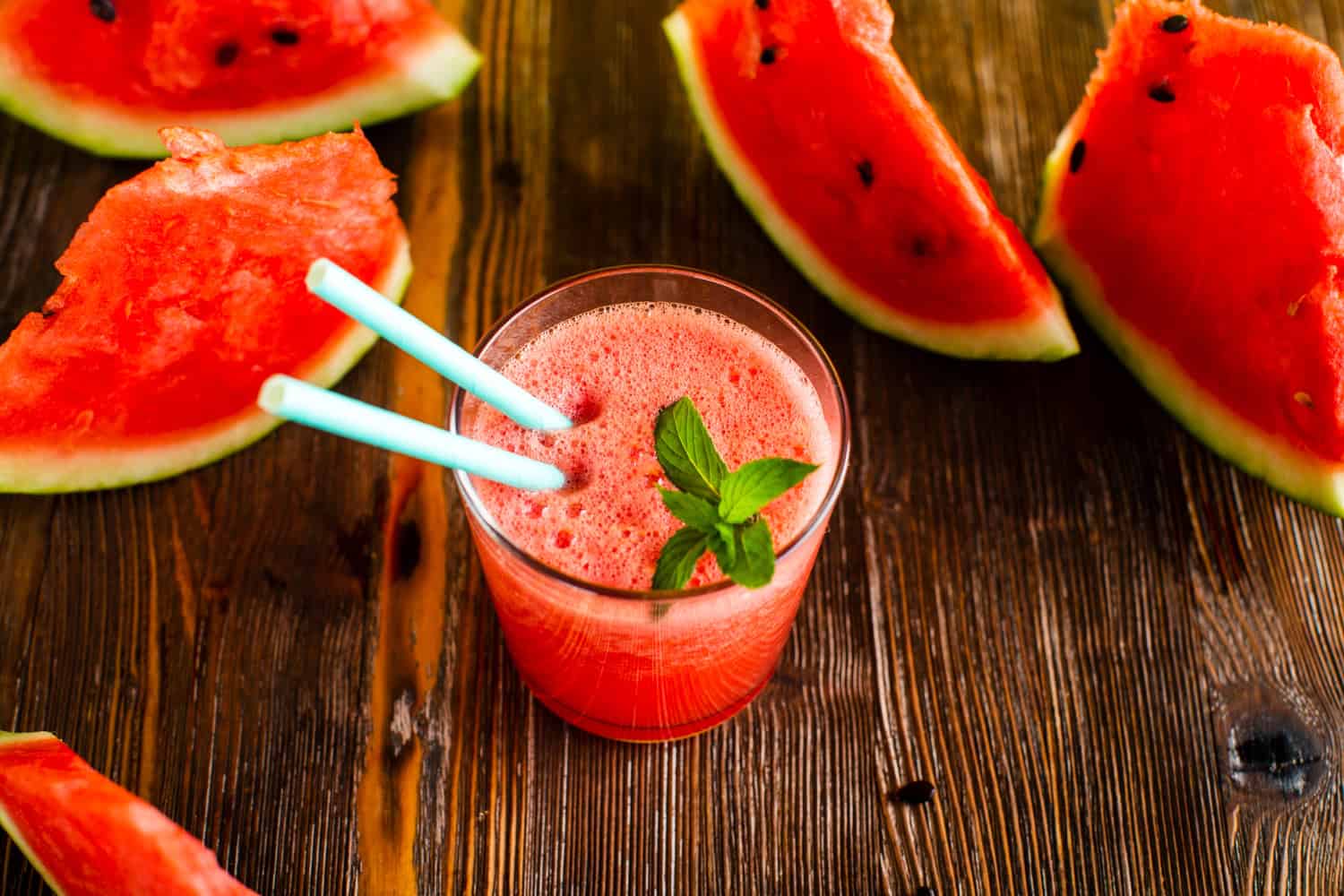
Watermelon is mostly water and can make a refreshing drink, especially during hot weather. It also provides vitamin C and other plant compounds.
The easiest version is simply blended watermelon with no added sugar.
But watermelon juice is still a source of natural sugar, and removing the fruit’s structure through juicing makes it easier to drink a larger quantity quickly. That’s one reason whole fruit is generally more filling than juice.
You can make watermelon juice more interesting by blending it with cucumber and mint instead of adding sugar or packaged syrups.
How to drink these juices for healthier skin
You don’t need to drink all eight juices in one week. Pick one or two that you actually enjoy and rotate them.
Fresh juice is best consumed soon after preparation. Avoid adding sugar, syrups, or large amounts of honey. If you want more fiber, keep the pulp or make a smoothie instead of straining the drink.
Also remember that juice isn’t a substitute for whole fruits and vegetables. Juicing can provide nutrients such as vitamin C, vitamin A, and potassium, but it generally contains less fiber than the original produce.
A simple plate with vegetables, fruit, whole grains, protein, nuts, and seeds will do far more for your overall nutrition than any single “glowing skin” drink.
Can these juices give you glowing skin?
They can support a diet that provides nutrients your skin needs, but no juice can guarantee glowing skin.
Healthy-looking skin depends on several things, including genetics, age, sun exposure, sleep, diet, skincare, and certain medical conditions.
So don’t worry if you miss your morning juice one day. Your skin isn’t keeping score.
If you have persistent acne, unusual dryness, pigmentation, itching or other skin changes, food alone may not solve the problem. A dermatologist can help identify the cause and suggest appropriate treatment.
FAQs
1. Which juice is best for glowing skin?
There isn’t one juice proven to be the best for glowing skin. Juices made from nutrient-rich fruits and vegetables can contribute vitamin C, carotenoids, and other nutrients to your diet. A varied diet is more useful than relying on one drink.
2. Can I drink fruit juice every day?
You can include 100% fruit juice in a balanced diet, but whole fruit is generally a better choice because it provides more fiber and is more filling.
3. Should I add sugar to homemade juice?
No. Most fruits and some vegetables already contain natural sugars. Adding sugar increases the overall sugar content without adding much nutritional value.
4. Is carrot juice good for the skin?
Carrots contain beta-carotene, which the body can convert into vitamin A. Vitamin A is an important nutrient for normal skin health.
5. Is amla juice good for skin health?
Amla is a source of vitamin C. Vitamin C supports collagen formation and has antioxidant functions.
6. Can juice remove acne?
No. Drinking juice shouldn’t be considered an acne treatment. Some research suggests that diets with a lower glycemic load may help reduce acne in some people, but diet is only one part of acne management.
7. Is whole fruit better than fruit juice?
Generally, yes. Whole fruit provides fiber and tends to be more filling. Juicing reduces the amount of fiber and makes it easier to consume more fruit sugar quickly.
8. Can I drink these juices instead of eating vegetables?
It’s better not to. Juice can add nutrients to your diet, but whole vegetables provide fibre and are usually more filling. Try to eat a variety of whole fruits and vegetables throughout the day.
9. What should I avoid adding to skin-friendly juices?
Avoid adding sugar, flavored syrups, and large amounts of honey. If you need sweetness, use naturally sweet fruit in a modest amount.
10. Do I still need skincare if I drink healthy juices?
Yes. Diet and skincare work separately. Eating well doesn’t replace sunscreen, cleansing, moisturizing, or treatment prescribed for a skin condition. The AAD recommends broad-spectrum SPF 30 or higher when you’re outdoors.
The article is written by Mantasha, Sr. Executive, Clinical Health & Content, and reviewed by Monalisa Deka, Deputy Manager, Clinical Health & Content, Medical Affairs.
Recommended Reads:
Simple Habits to Boost Vitamin D and Lower Cortisol Levels Naturally
Clinically Explained Vitamin D Supplements: Benefits, Dosage & Timing