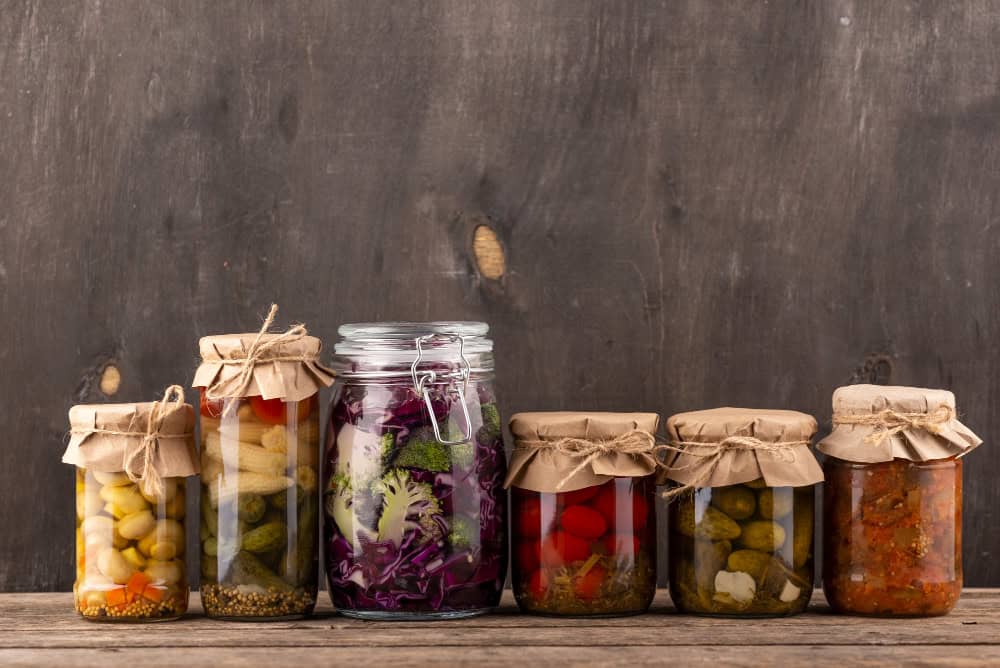
Gut health often gets overlooked in our busy lives. Ayurveda teaches that a healthy gut is the basis of overall wellness. Probiotics are beneficial bacteria that aid digestion and maintain gut balance.
Dr. Deepak Soni, an Ayurvedic expert at TATA 1mg, emphasizes the importance of natural probiotics over processed supplements.
“Your gut is more than just the part of your body that digests food. It’s responsible for a healthy immune response, emotional state, and overall vitality. Natural probiotics provide that nourishment for your body in the most rounded way,” he states.
If you’re looking for a way to get your fill of natural probiotics, then this summer, create powerful probiotic foods using everything available to you in your kitchen. Here are 7 easy homemade probiotic recipes you can try!
1. Homemade Curd (Dahi)
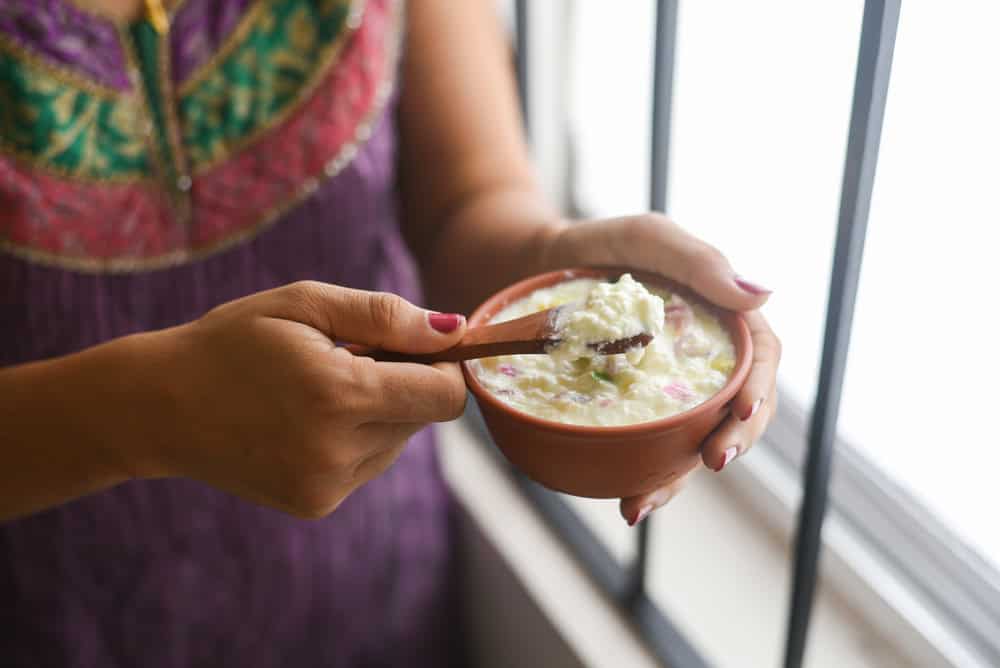
Dahi, or curd, is a very common and highly effective source of probiotics found in many Indian households. The beneficial bacteria in dahi aid digestion and build immunity.
How to prepare:
First, heat some milk until it begins to get warm to about body temperature. Then, pour the warm milk into a bowl and add one teaspoon of previously prepared dahi to the milk, mixing thoroughly. Then, cover the bowl and let it sit overnight.
Benefits:
It’s great for your gut, helps with digestion, and can keep you feeling cooler when it’s hot outside.
2. Buttermilk (Chaas)
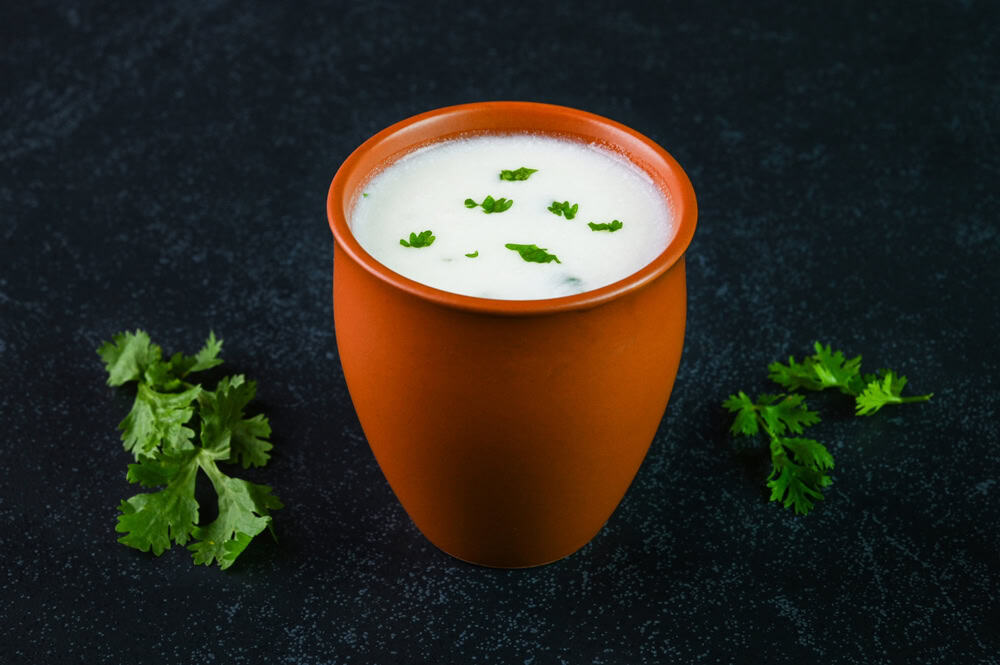
This is a refreshing drink, perfect for summer, and packed with probiotics.
How to make it:
Just mix yogurt with water, then add roasted cumin seeds, black salt, and some chopped fresh coriander.
Benefits:
It can help stop bloating, support digestion, and keep you hydrated for a longer time.
3. Kanji (Fermented carrot juice)
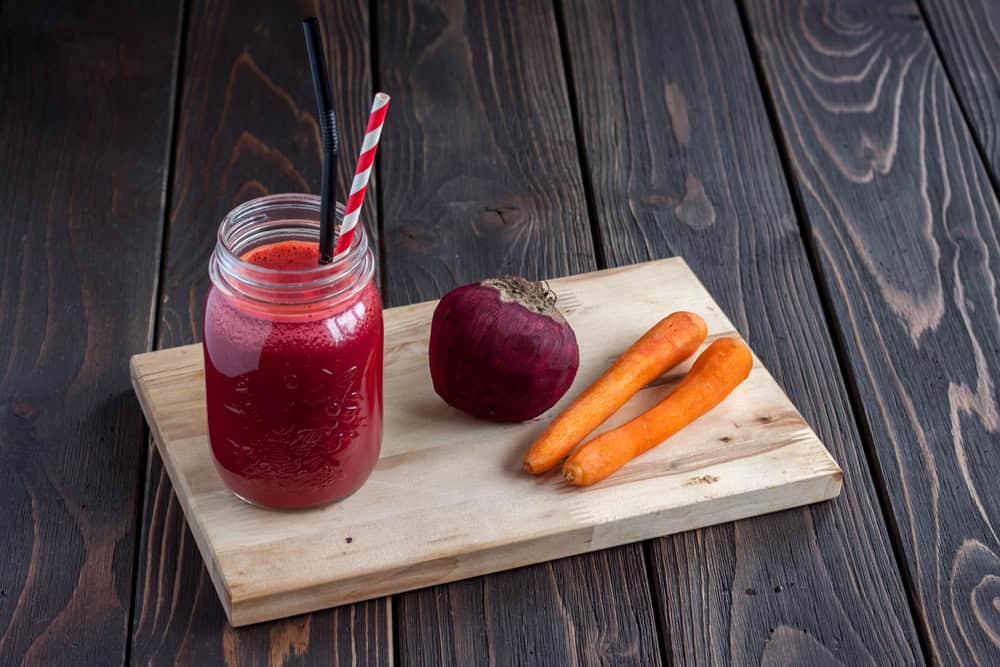 Kanji is a North Indian traditional drink made from fermenting either black or regular carrots.
How to make it:
Carrot chunks are preserved via fermentation. They’re submerged in a mixture of mustard seeds, salt, and water, then left in the sun for three to four days.
Benefits:
They’re rich in antioxidants, boast detoxifying qualities, and can help improve gut health.
4. Fermented Rice (Pakhala)
 A common dish in Eastern India, fermented rice contains a high amount of natural probiotic properties.
How to make it:
Soak leftover cooked rice in water overnight and then consume it the following day.
Benefits:
Improves digestion, keeps the body cool, and provides energy enhancement.
5. Achaar (Pickled vegetables)
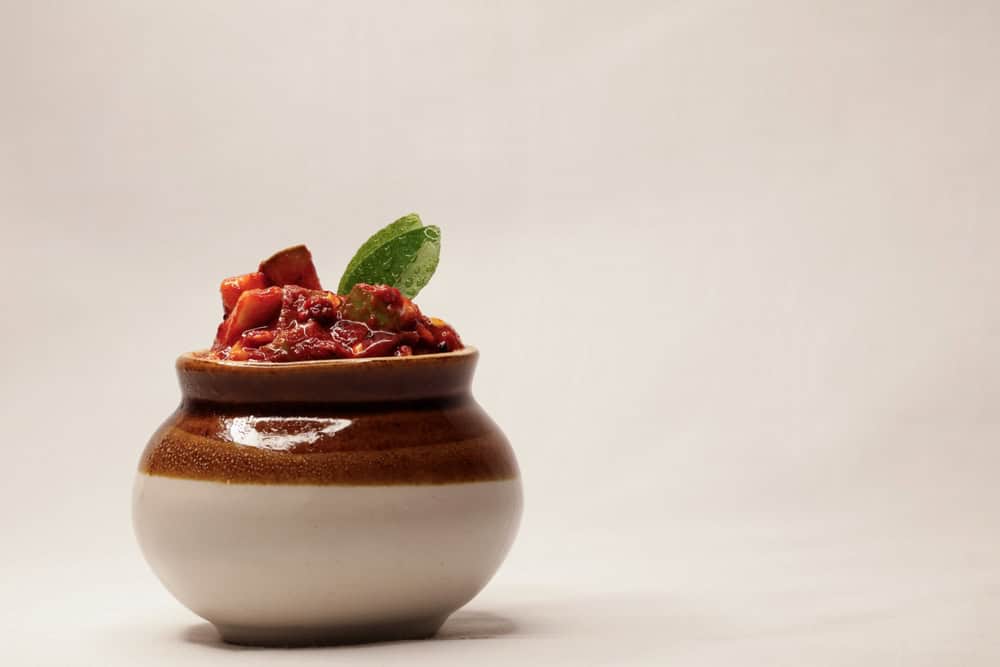 There are many types of achaar available; you can make your own at home by using fermented vegetables in a traditional way (pickles) with natural sources of beneficial bacterial cultures.
How to make it:
To make achaar, you can take any type of vegetable you want to pickle (such as mangos, lemons, carrots), combine them in a bowl with salt and spices along with mustard oil; then put them in a jar and allow them to ferment for about 5 days.
Benefits:
When eaten in moderation, achaar helps to support a healthy gut and improve digestion.
6. Kombucha (Natural fermented tea)
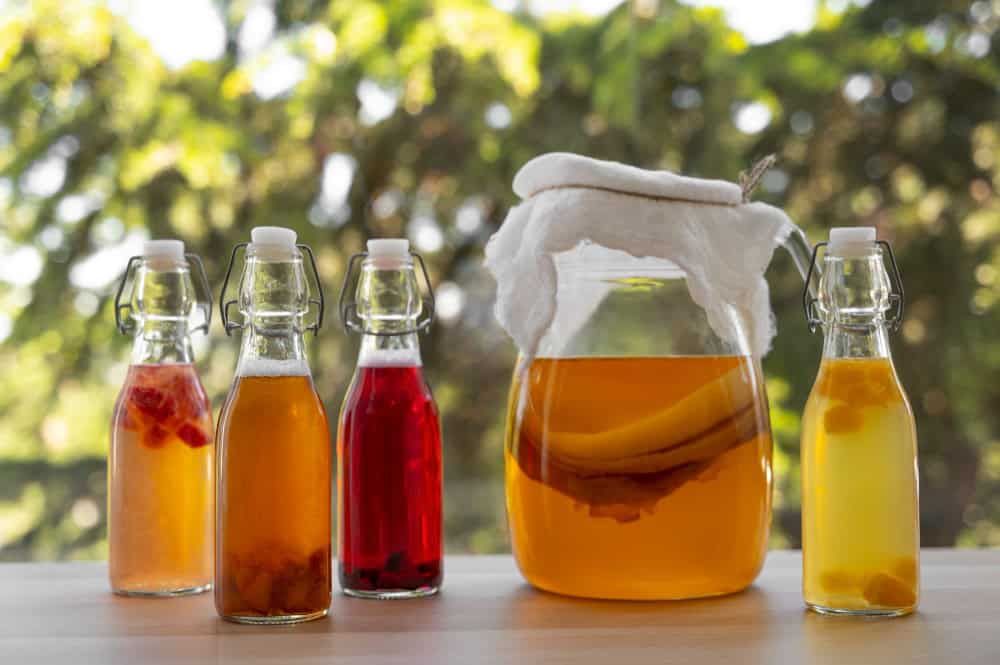 Kombucha is rapidly becoming one of the most popular natural fermented probiotic beverages in the world.
How to make it:
Kombucha is made by fermenting tea sweetened with sugar and water, along with the moistened SCOBY (Symbiotic Culture of Bacteria and Yeast) culture. It is a gelatinous, cellulose-based biofilm essential for fermenting sweetened tea into kombucha, for a period of approximately seven to ten days.
Benefits:
Drinking kombucha will help to improve digestion, aid in detoxification of the body, and increase energy.
7. Beetroot Kanji
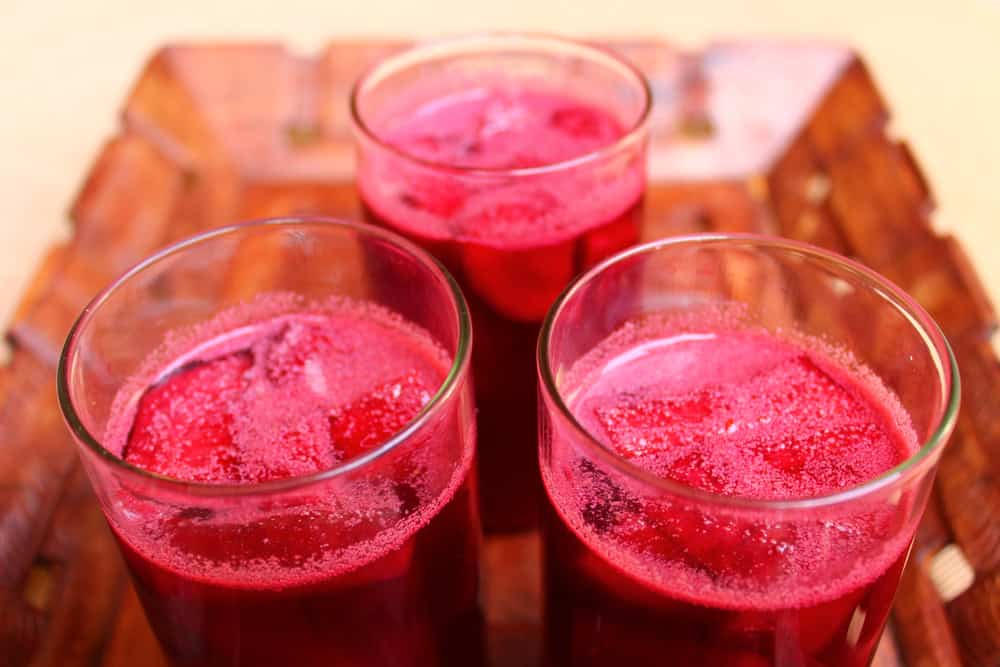
Beetroot kanji is a vibrantly-colored and highly nutritious beverage produced as a variation of traditional kanji.
How to make it:
Beetroot kanji is produced by fermenting chopped beetroot with mustard seeds and water for several days in natural sunlight.
Benefits:
Beetroot kanji is a rich source of iron and supports healthy gut bacteria, as well as promoting healthy blood.
Why Make Probiotic Foods at Home?
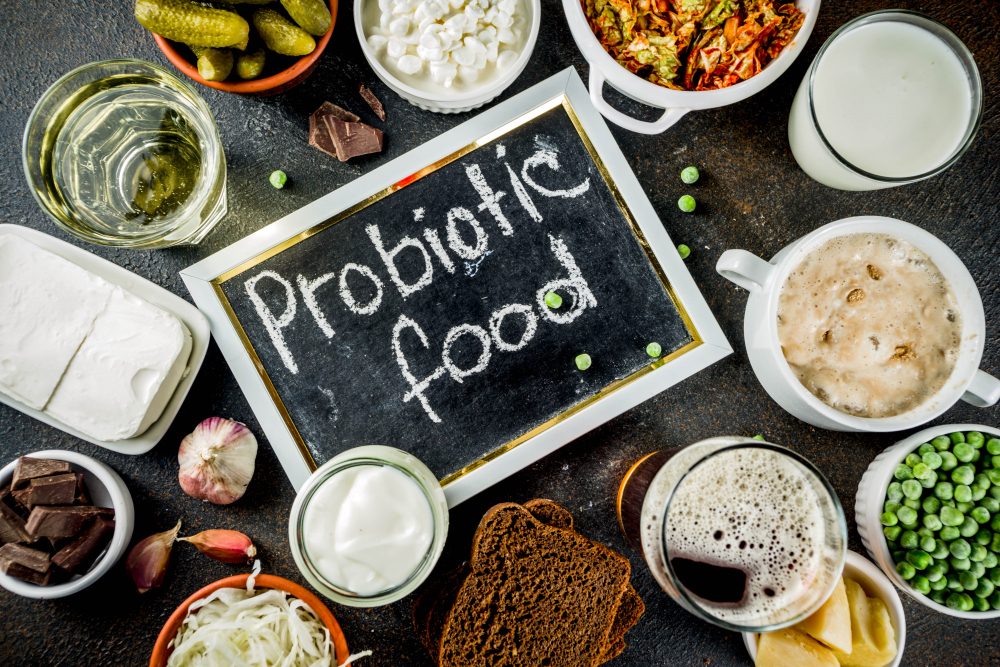
Homemade probiotic foods contain no preservatives or artificial ingredients – unlike commercially manufactured probiotic products. According to Ayurveda, the best foods for optimal health are fresh, seasonal, and naturally fermented.
Recipes for homemade probiotic foods enhance:
- Immunity
- Nutrient absorption
- Skin health
- Mental well-being
Best Time to Take Probiotics

The best times to take probiotics are:
- In the morning, on an empty stomach (before breakfast) for maximum benefit
- At lunch so that your body can digest the food you eat during the meal (instead of later)
- Don’t take them at bedtime.
To see long-term benefits from taking probiotics regularly, you must be consistent.
Precautions for Taking Probiotics
Although probiotics have health benefits, they are not meant to be taken in large quantities.
- By avoiding overconsumption of probiotics, you can prevent discomfort, such as gas or bloating.
- If you are new to taking probiotics, start with small amounts.
- If you suffer from conditions like irritable bowel syndrome (IBS), acid reflux, or diabetes, consult a nutritionist before changing what foods you eat.
Wrapping Up!
There are easy ways to incorporate probiotic foods into your diet as part of your daily routine, and these simple, homemade recipes can help you achieve your goal of improving your gut health.
As noted by Dr. Deepak Soni, focusing on traditional and natural foods is one of the most effective ways to restore balance in the body. With regular consumption, these probiotic foods can support better digestion and contribute to long-term health.
FAQs
1) What are probiotics? And why are they important?
Probiotics are healthy live bacteria that promote proper gut health, improve digestion, and help to build a strong immune system.
2) Are there any advantages to making your own probiotics at home versus taking a supplement?
Homemade probiotics are natural and contain no preservatives, which means they are easier for your body to absorb compared to synthetic probiotic supplements that have many chemical additives.
3) Is it okay to take probiotics every day?
Yes, taking probiotics at a moderate daily level can benefit your overall health and digestion.
4) What is the best summer probiotic beverage to drink?
Probiotic drinks that will keep you cool and hydrated during the hot summer months include buttermilk (chaas) or kanji.
5) When can I expect to see results from taking probiotics?
You may experience an improvement in your digestion within just a few days or a couple of weeks after starting to take a probiotic.
6) Will I lose weight if I take probiotics?
By improving your metabolism and minimizing bloating, probiotics may help you to manage your weight more effectively.
7) Can I take probiotics if I am lactose intolerant?
You may be able to tolerate some fermented dairy products, like drinking homemade curd, but it is safer for people with lactose intolerance to choose non-dairy fermented products such as kanji.
8) Are there any side effects associated with taking probiotics?
Taking too many probiotics can lead to gas and/or bloating. It is best to start with small quantities of probiotics and increase your intake gradually.
Recommended Reads
(The article is written by Deepa Sarkar, Medical Writer, and reviewed by Monalisa Deka, Deputy Manager, Clinical Health & Content, Medical Affairs)