
Ever wonder why you’re tired and restless or wake up sore, even after a good night’s sleep? Magnesium is often overlooked, but it can influence overall energy and efficacy in a number of ways. Magnesium is a vital mineral involved in over 300 biochemical reactions in the human body. It aids muscle function, assists in nerve signaling, promotes energy production, and supports heart and bone health. It also helps relaxation, supports better sleep, and contributes to mood management.
Sadly, the majority of people do not eat enough magnesium-rich foods. The consumption of magnesium-rich foods instead of relying heavily on supplements has been shown to be a very effective and easy method to boost magnesium intake.
There is a list of 10 tasty recipes that are packed with magnesium and beneficial to one’s body because they help with sleep, emotional regulation, and post-exercise recovery. But before we dive into the recipes, let’s understand why magnesium is such an important mineral and how it benefits your overall health.
Why Magnesium Matters?
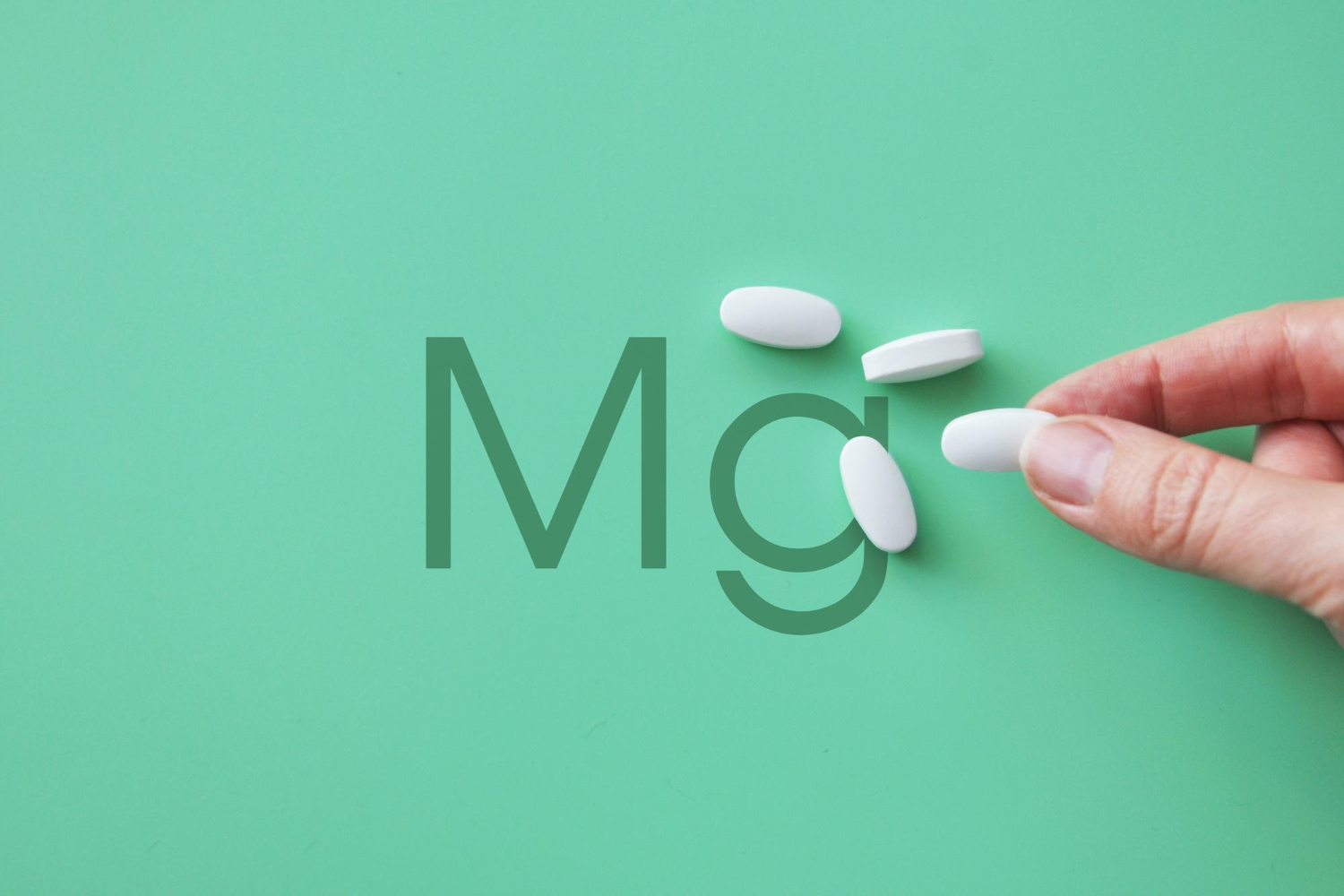
Magnesium plays a crucial role in your body in many ways, including:
- Ensuring proper muscle contraction and relaxation
- Aiding in the regulation of sleep-related neurotransmitters
- Playing a role in energy metabolism
- Maintaining healthy nerve functioning
- Ensuring a stable mood
- Reducing muscle spasms caused by exercising
- Maintaining bone and cardiovascular health
Adults generally require 310–420 mg of magnesium daily, depending on age and sex.
1. Spinach and Pumpkin Seed Smoothie

Greens and seeds are some of the best natural sources of magnesium.
Ingredients:
- 2 cups of spinach
- 1 banana
- 1 tablespoon of pumpkin seeds
- 1 tablespoon of almond butter
- 1 cup of unsweetened almond milk
- Some ice cubes
Instructions:
Blend all the ingredients together (everything) until smooth.
Why This Works:
Both spinach and pumpkin seeds are high in magnesium quantities while banana provides potassium, which works in conjunction with magnesium to help muscles perform.
2. Quinoa and Chickpea Bowl
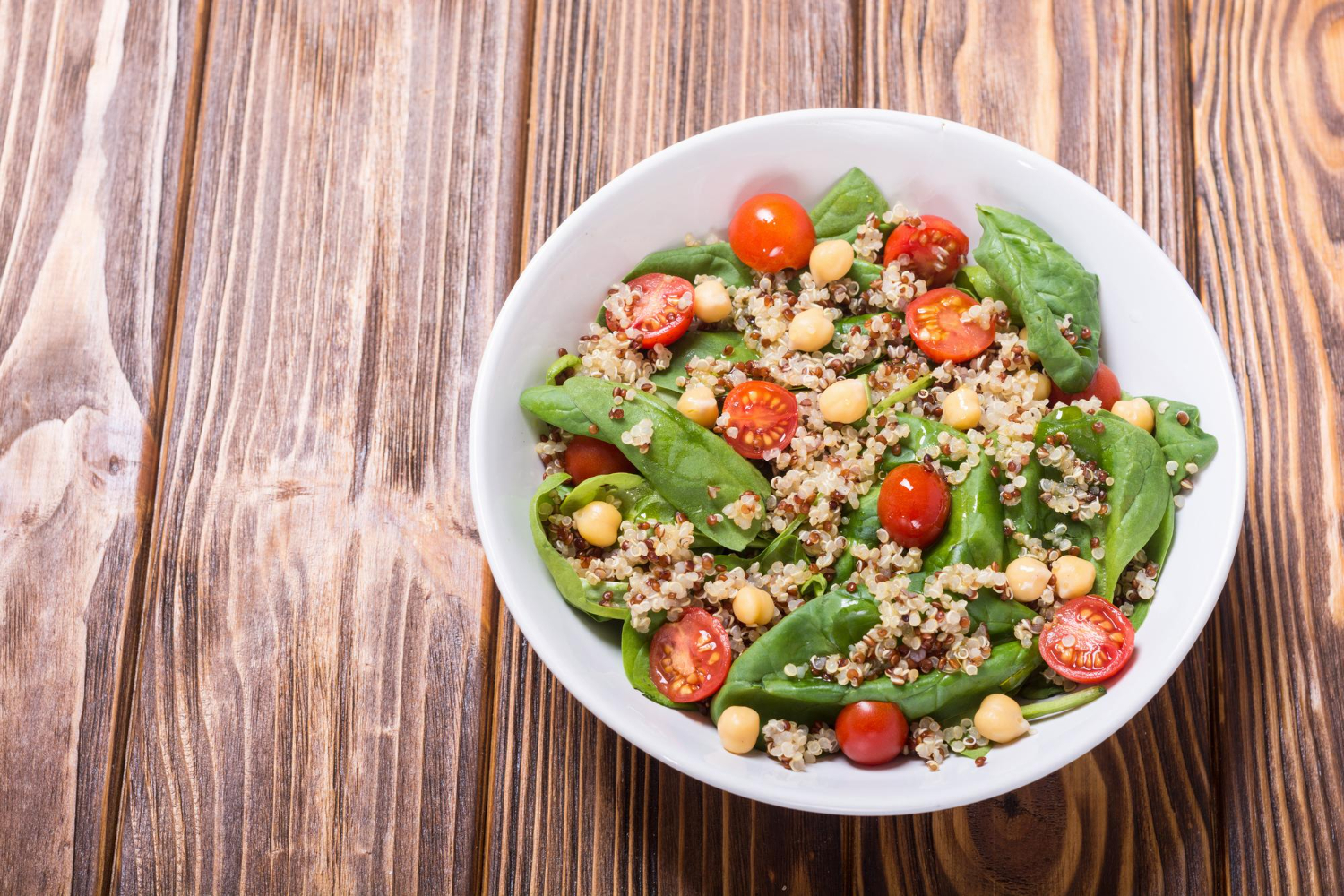 This bowl is colorful and helps provide protein, fiber, and many minerals.
Ingredients:
- 1 cup cooked quinoa
- 1/2 cup boiled chickpeas
- Cucumber
- Cherry tomatoes
- Spinach
- Sliced avocado
- Lemon dressing
Instructions:
Mix everything and drizzle with olive oil and lemon dressing on top.
Why This Works:
Quinoa, chickpeas, and spinach are good sources of magnesium, and the avocado helps your body absorb nutrients with its fatty acids.
3. Chocolate Overnight Oats
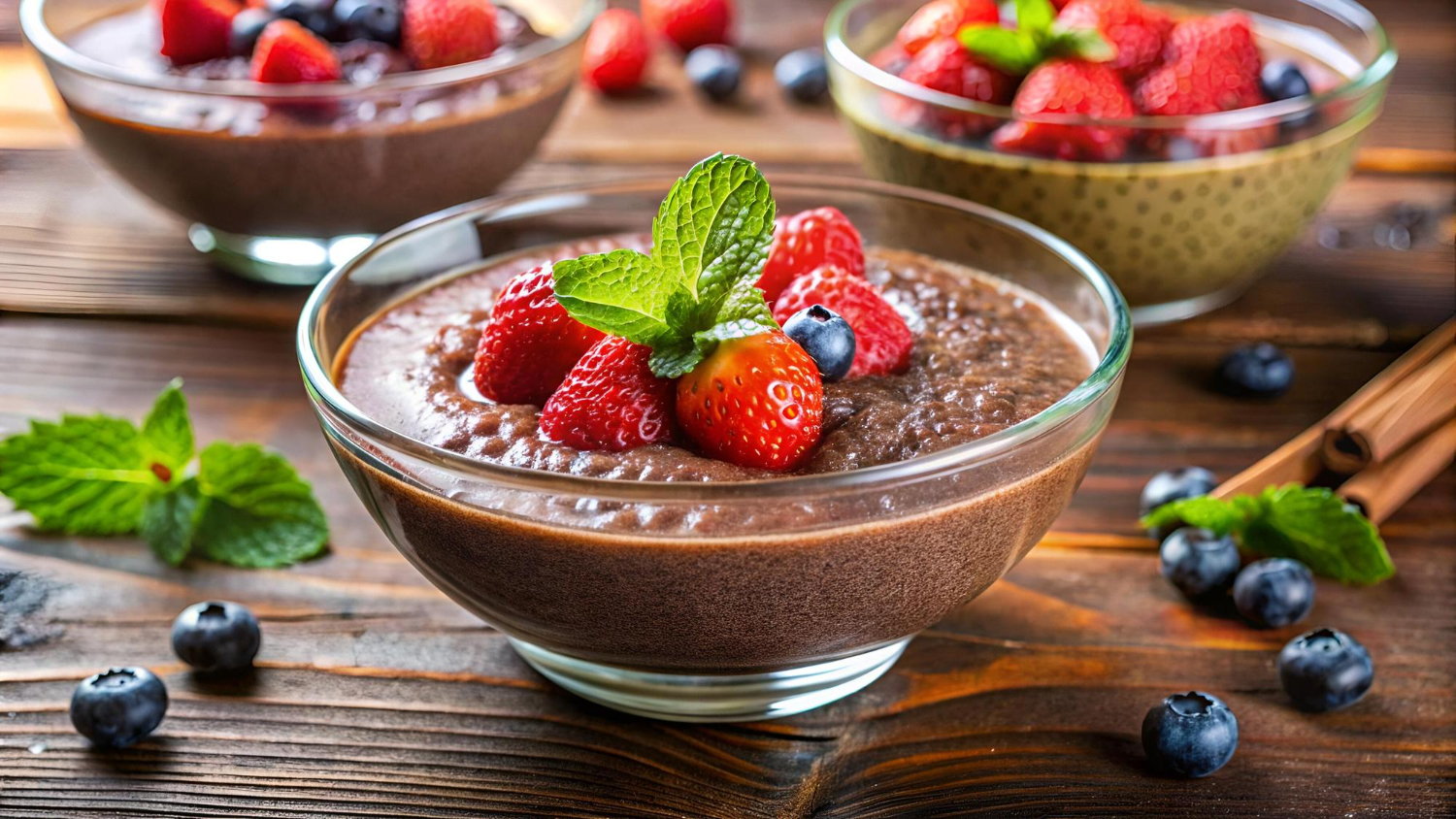 A breakfast that tastes like dessert but is surprisingly good for you.
Ingredients:
- Oats
- Yogurt
- Chia seeds
- Cocoa powder
- Dark chocolate
- Milk
Instructions
Combine & mix all the given ingredients and refrigerate overnight.
Why This Works:
Since oats, chia seeds, cocoa, and dark chocolate all have magnesium, this dish is energizing.
4. Lentil Spinach Soup
 A warm and easy dish for dinner.
Ingredients
- Red lentils
- Spinach
- Small onion
- Garlic
- Tomatoes
- Vegetable stock
- Turmeric
- Black pepper
Instructions
Boil lentils until soft. Add vegetables and simmer.
Why This Works:
Lentils are rich in magnesium, protein, and iron. Spinach has even more minerals
5. Almond Date Energy Bites
 Excellent to have before exercising or for an afternoon snack
Ingredients
- Almonds
- Dates
- Pumpkin seeds
- Flaxseeds
- Cocoa powder
Instructions
Mix ingredients into a paste and roll it into balls.
Why This Works:
Almonds and pumpkin seeds provide magnesium, while dates supply natural carbohydrates for energy.
6. Tofu and Broccoli Stir-Fry
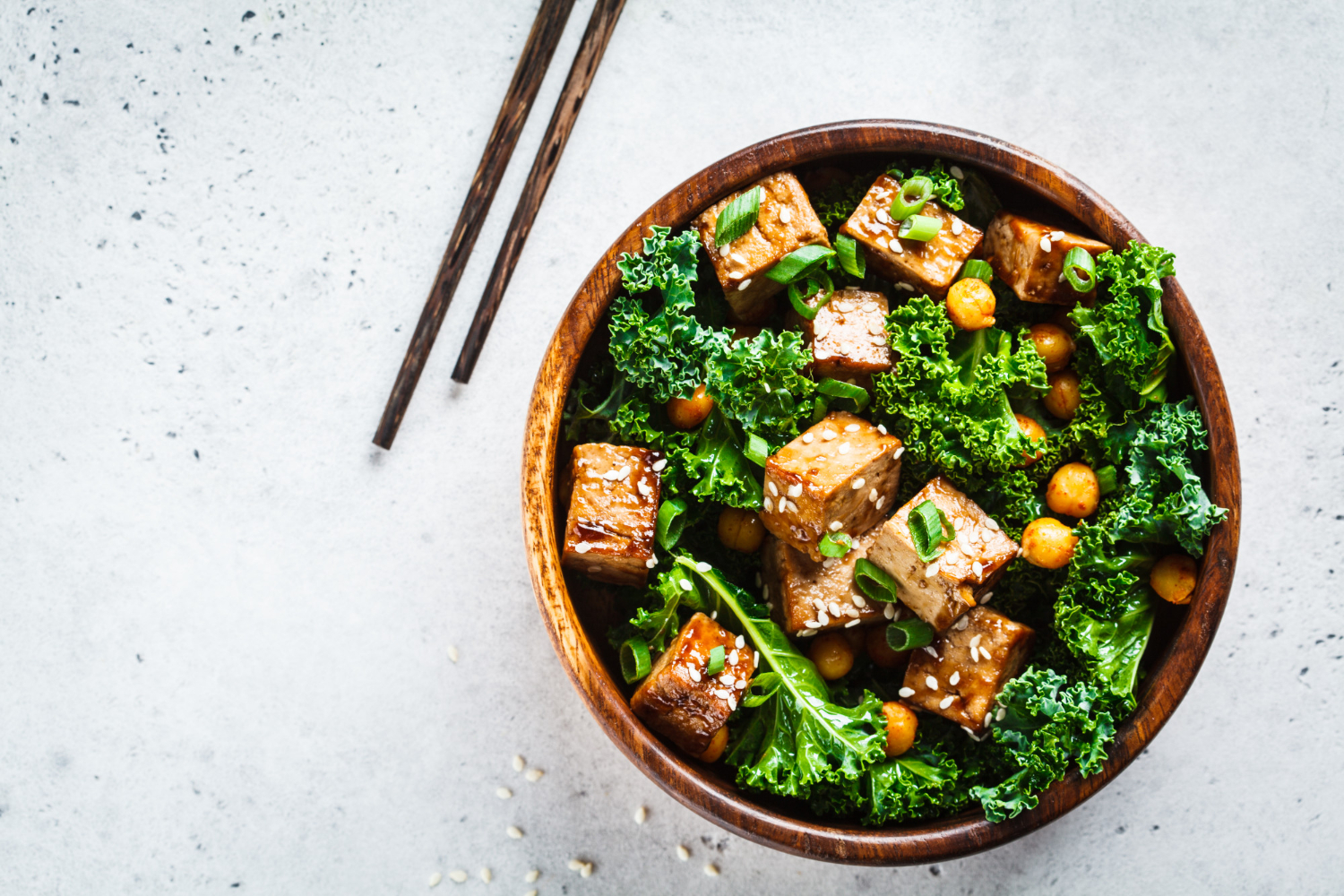 This is a speedy meal with vegetable protein.
Ingredients
- Firm tofu
- Broccoli
- Bell peppers
- Sesame seeds
- Garlic
- Ginger
- Low-sodium soy sauce
Instructions
First, stir-fry the vegetables and tofu, then add the sauce.
Why This Works:
Together, they provide magnesium while providing protein needed for muscle repair.
7. Black Bean and Sweet Potato Wrap
 A really satisfying lunch that is simple to make.
Ingredients
- Whole wheat tortilla
- Black beans
- Roasted sweet potato
- Spinach
- Avocado
- Greek yogurt sauce
Instructions
Just stuff the wrap and roll it tightly.
Why This Works:
Both beans and whole grains provide magnesium, whereas sweet potatoes supply the antioxidants and complex carbs.
8. Chia Berry Yogurt Parfait

Refreshing food packed with nutrients.
Ingredients
- Greek yogurt
- Mixed berries
- Pumpkin seeds
- Chia seeds
- Crushed Walnuts
Instructions:
Layer ingredients in a glass and serve cold.
Why This Works:
Chia seeds, walnuts, and pumpkin seeds help to boost magnesium levels, and berries add to your antioxidant intake.
9. Brown Rice Edamame Bowl
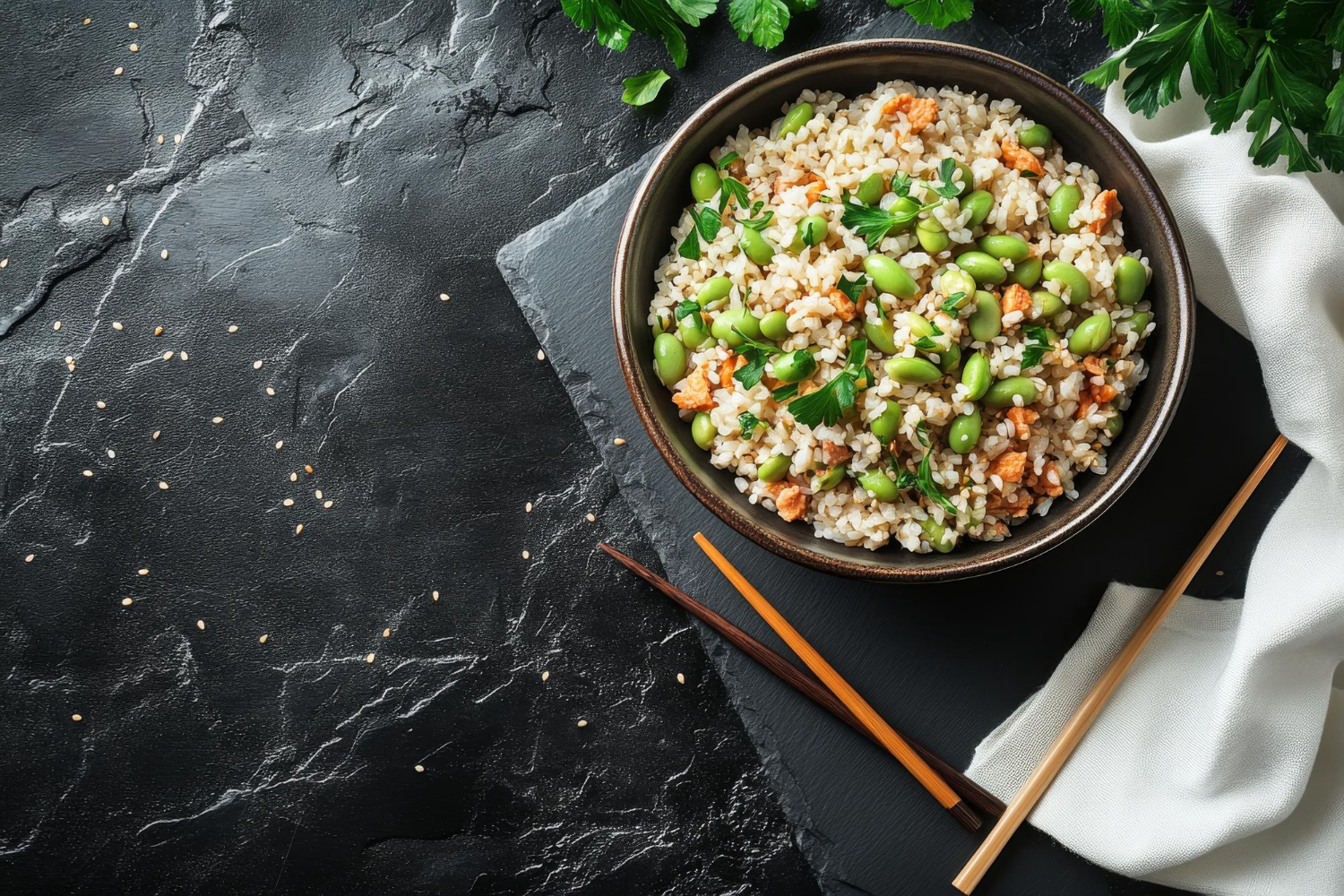
Simple meal for busy workdays.
Ingredients
- Brown rice
- Shelled edamame
- Spinach
- Carrots
- Sesame seeds
- Soy-ginger dressing
Instructions
Put all the ingredients together and pour the dressing.
Why This Works:
Brown rice and edamame
10. Banana, Peanut Butter and Oat Pancakes
 A nutritional breakfast recipe that everyone will love.
Ingredients
- Oats
- Banana
- Eggs
- Peanut butter
- Cinnamon
Instructions:
Mix ingredients to obtain a batter and cook like pancakes.
Why This Works:
Oats and peanut butter have magnesium, while the banana gives potassium that keeps muscles functioning properly.
Tips on Increasing Magnesium Intake Naturally
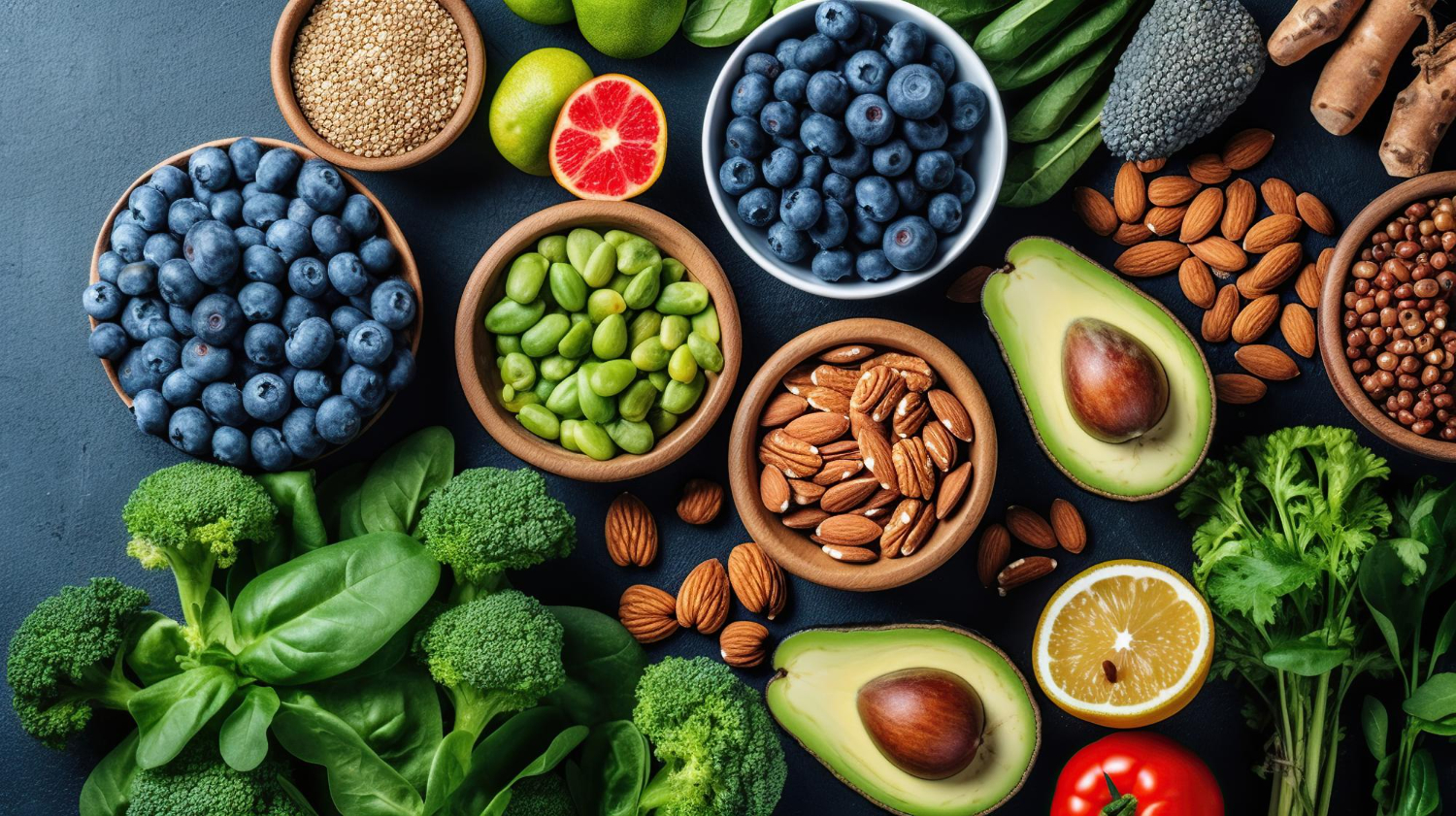
Making little changes to your diet can have some effect over time
- Include spinach in smoothies and curries.
- Sprinkle pumpkin or sesame seeds over salads.
- Prefer whole grains to refined.
- Snack on almonds or cashews.
- Eat beans or lentils several times a week.
- Eat one or two chocolate squares occasionally.
- Add chia seeds or flaxseeds to yogurt and oatmeal.
- Eat a variety of veggies, legumes, nuts, and seeds.
Can Magnesium Enhance Your Sleep?
Magnesium aids in the proper functioning of nerves and assists in regulating neurotransmitters that promote relaxation. In addition, it helps to maintain normal muscle function and can decrease nocturnal discomfort in certain individuals. Eating foods rich in magnesium should be considered a healthy adjustment to one’s sleep routine, but not an appropriate method for treating chronic insomnia. Consult your doctor if sleep problems continue.
Does Magnesium Boost Your Mood?
Studies indicate that magnesium may influence normal brain function and overall nervous system health. Low levels of magnesium intake have been linked to mood disorders in certain studies; however, consuming foods that are rich in magnesium should be regarded as only one part of a balanced diet and lifestyle.
Final Remarks
Magnesium is an essential mineral that is helpful in terms of providing good sleep quality, mood stabilization, muscle recovery, heart development, and overall wellness. The good news is that increasing one’s magnesium supply is not a complicated task. The easiest way to accomplish this is to prepare simple meals including spinach, pumpkin seeds, quinoa, legumes, oatmeal, nuts, tofu, and dark chocolate while benefiting from the use of health-promoting recipes.
Rather than focusing on a single “superfood”, it is better to lead a balanced diet based on the use of various magnesium-rich products throughout the day. Combined with regular physical exercise, proper hydration, and enough sleep, wholesome recipes can help improve recovery, increase energy levels, and enhance health.
FAQs
Q. What foods contain the highest concentration of magnesium naturally?
The foods that have the highest content of magnesium are: pumpkin seeds, spinach, almonds, cashews, chia seeds, black beans, quinoa, tofu, oatmeal, and dark chocolate.
Q. Do magnesium ingredients help improve sleep?
The presence of magnesium leads to the normal functioning of nerves and muscles that are relaxing. Thus, including magnesium foods in a balanced diet can contribute to improved sleep.
Q. Are recipes high in magnesium useful following a workout?
Yes. Recipes including magnesium, protein and complex carbohydrates—like quinoa bowls, stir-fries made with tofu or lentil soup—are beneficial for muscle recovery and restoring energy levels after physical activity.
Q. What’s best to get magnesium from food or from supplements?
For most healthy people, the better option is certainly real whole foods because they also have plenty of fiber, vitamins, antioxidants, and other beneficial elements. Supplements are necessary only in cases recommended by a doctor.
Q. Can vegetarians obtain magnesium from the food they eat?
Sure. Plant-based foods including leaf greens, legumes, whole grains and nuts, soy products and avocados make a great magnesium source.
Q. Can you mention some simple strategies to increase magnesium levels in food?
You may add spinach to smoothies, sprinkle pumpkin or chia seeds over the yogurts, choose whole grains rather than refined, snack on nuts, and add beans or lentils to soups, salads or curries.
Q. Can cooking decrease magnesium levels in the food?
Some magnesium can be lost during boiling, especially if the cooking water is discarded. Steaming, roasting, stir-frying, or using the cooking liquid in soups can help retain more of the mineral.
(The article is written by Deepa Sarkar, Senior Medical Writer, and reviewed by Monalisa Deka, Deputy Manager, Clinical Health & Content, Medical Affairs)