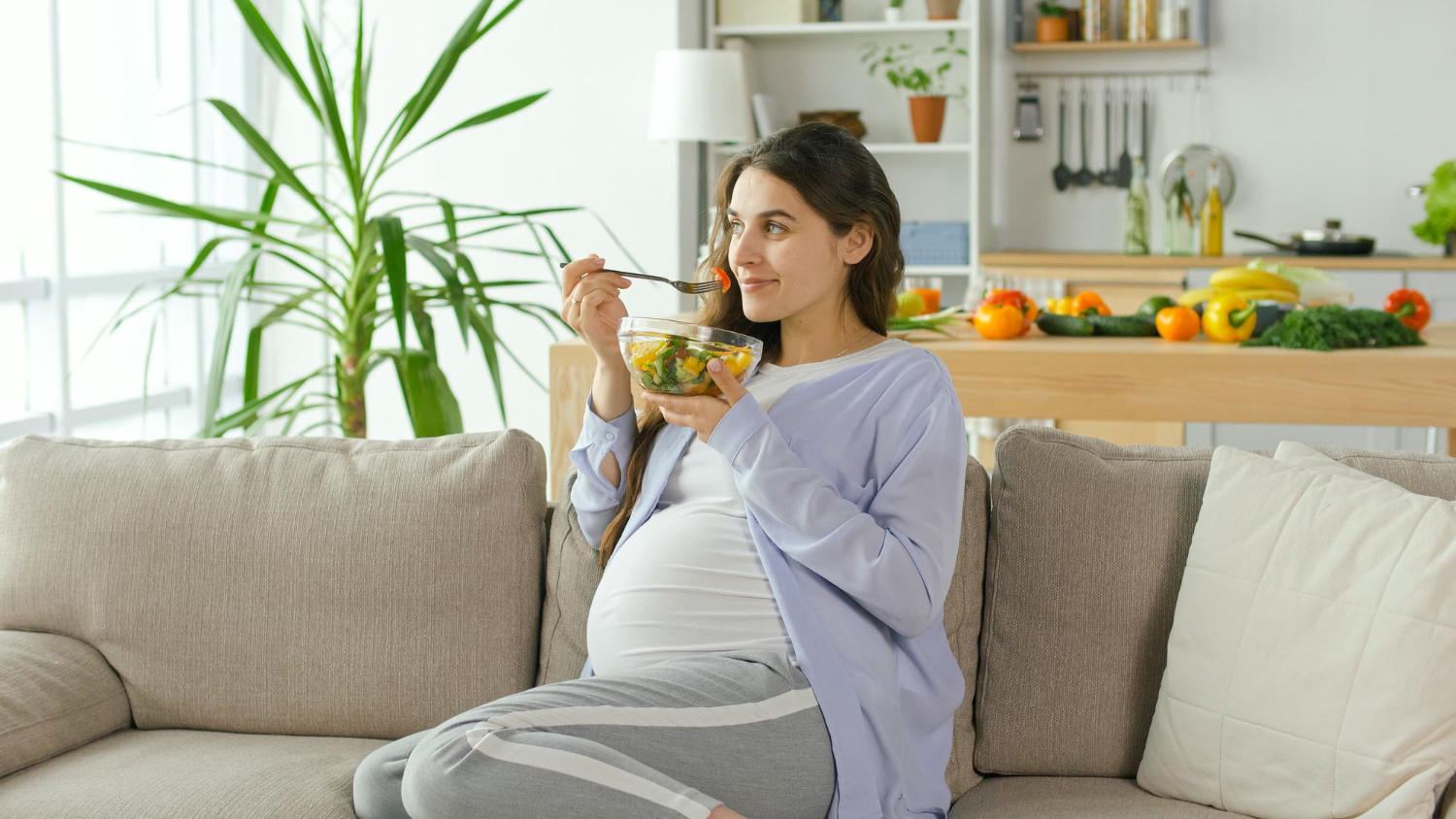
Pregnancy increases your need for nutrients, including iron. Your body needs iron to make hemoglobin, the protein in red blood cells that carries oxygen. During pregnancy, enough iron is also needed to support the growing baby and placenta.
But getting enough iron isn’t only about taking a tablet. What you eat matters too.
The Government of India’s latest Anemia Mukt Bharat Abhiyaan Operational Guidelines, released in June 2026, have added an “Eating Right” approach that promotes locally available iron-rich foods and diet diversification as part of anaemia prevention and management. The guidelines also point out that anaemia can have nutritional as well as non-nutritional causes, so testing and appropriate treatment remain important [6].
Not getting enough iron can contribute to iron-deficiency anemia. You may feel unusually tired, weak, dizzy, or short of breath. But these symptoms can overlap with normal pregnancy symptoms, so blood tests are important for confirming anemia. [3]
The good news? You don’t need to eat the same boring food every day. You can get iron from both plant and animal foods and make small changes to help your body absorb more of it.
1. Lentils and Dal
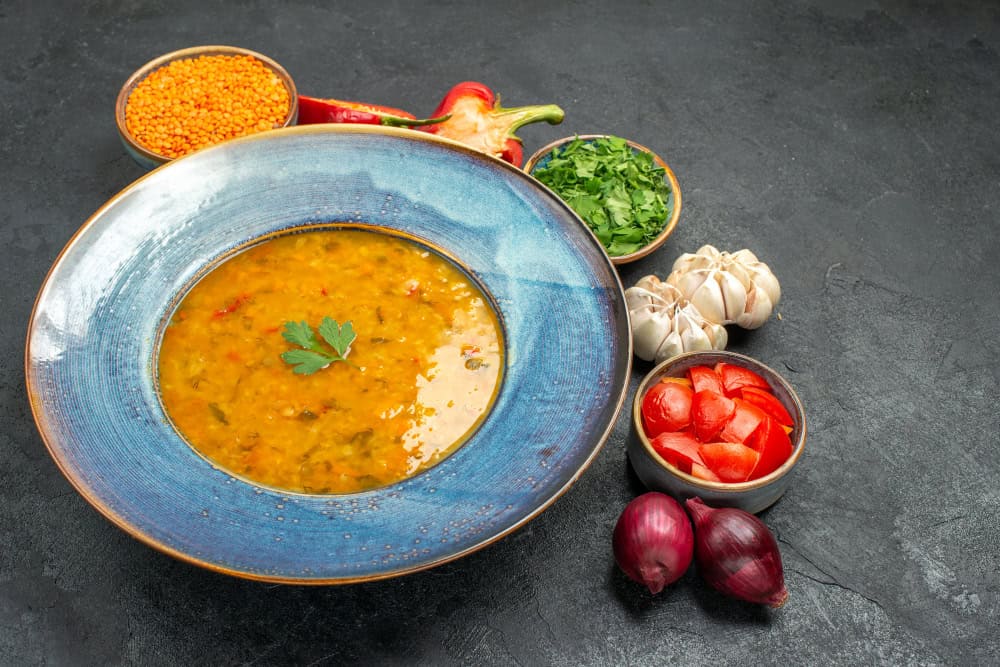
Your everyday dal can be one of the easiest ways to add iron to your pregnancy diet. Masoor dal, moong dal, chana dal, and other lentils contain non-heme iron, the type of iron found in plant foods.
Dal also gives you protein and fiber, which makes it a useful part of a filling meal.
Try having dal with rice or roti and adding lemon juice, tomatoes, or another vitamin C-rich food to the meal. Vitamin C helps your body absorb non-heme iron better. [2]
The 2026 Government of India guideline lists Bengal gram, including whole Bengal gram and Bengal gram dal, among its iron-rich food sources [6].
A simple bowl of dal with a squeeze of lemon may not look exciting, but nutritionally, it’s helping.
2. Chickpeas and Other Beans
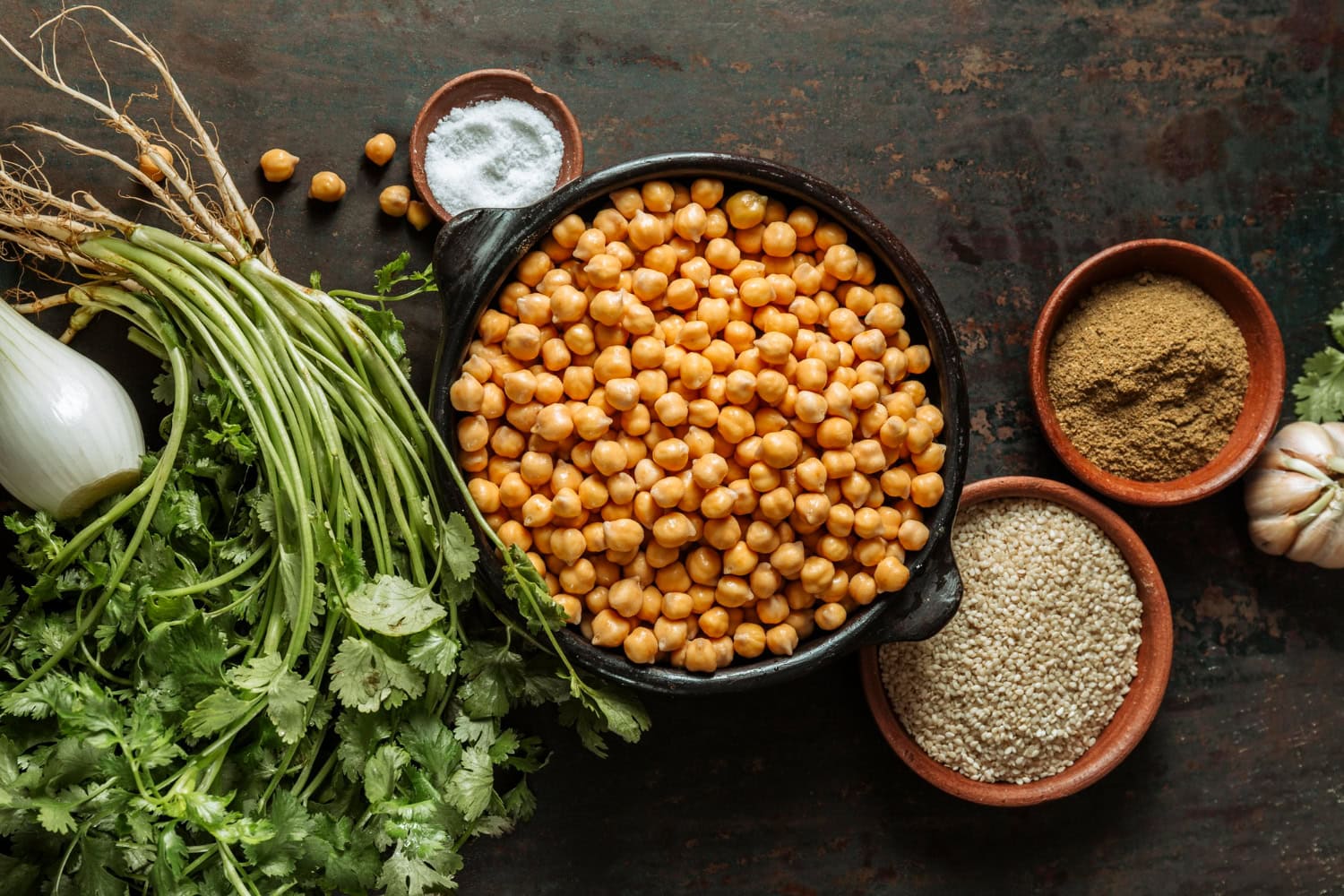
Chickpeas, rajma, black-eyed peas, and other beans can also contribute to your daily iron intake.
You can add boiled chickpeas to salads, make chole, blend them into hummus, or simply add beans to a vegetable curry. If you’re dealing with pregnancy-related bloating, start with smaller portions and see how your stomach responds.
Pairing beans with tomatoes, capsicum, lemon, or amla can help improve the absorption of their non-heme iron.
3. Spinach and Other Leafy Greens
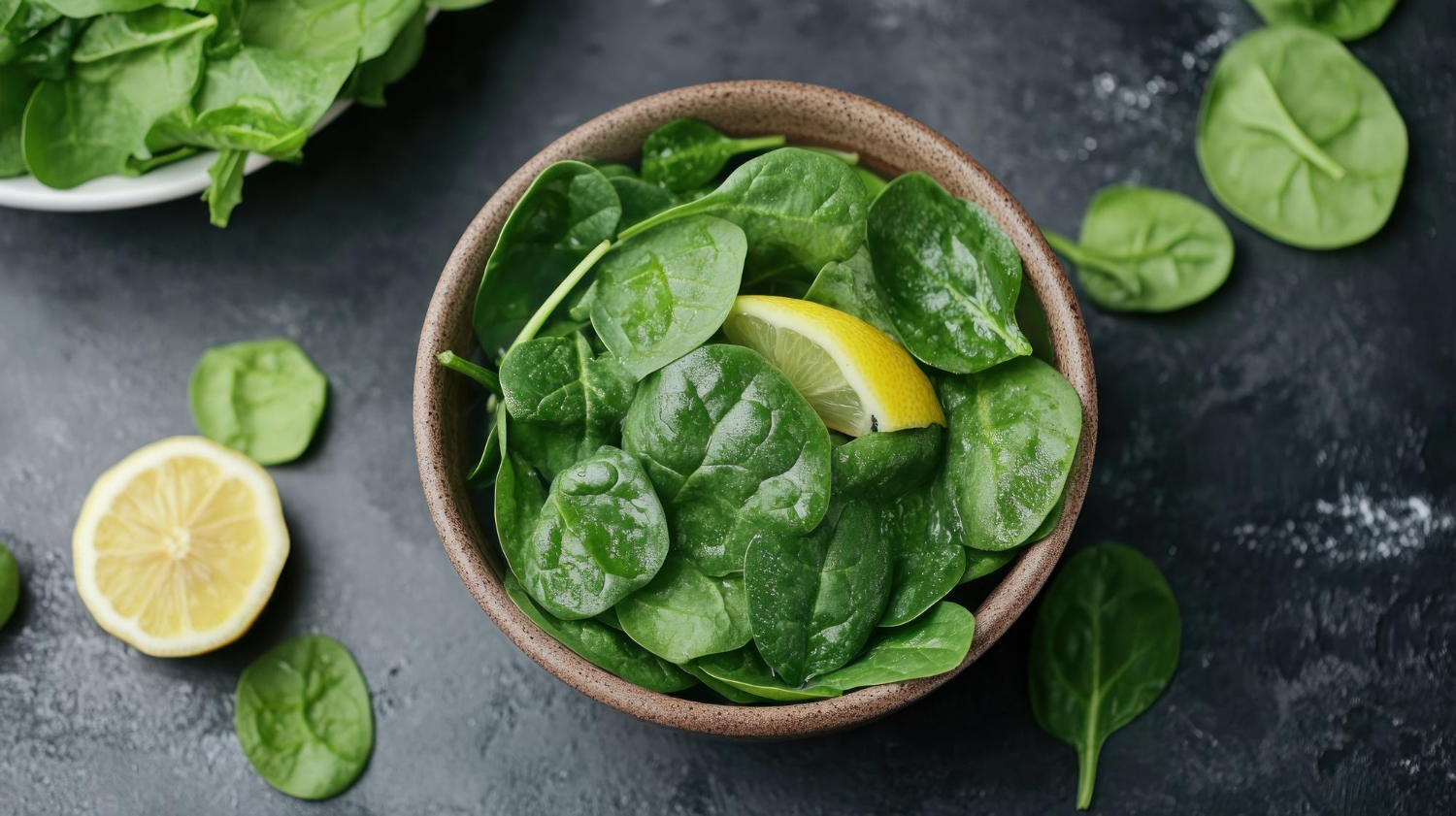
Spinach is a familiar pregnancy food for good reason. It contains iron along with folate, fiber, and other nutrients.
You don’t have to eat plain boiled spinach. Add it to dal, make palak paneer, blend it into a soup or cook it with other vegetables.
Remember to wash leafy vegetables well before cooking. During pregnancy, food hygiene matters just as much as nutrition.
Also, don’t assume that eating spinach alone will correct an iron deficiency. Plant-based iron isn’t absorbed as efficiently as heme iron from animal foods, and diagnosed anemia may require supplements prescribed by your doctor. [2, 3]
4. Lean Meat
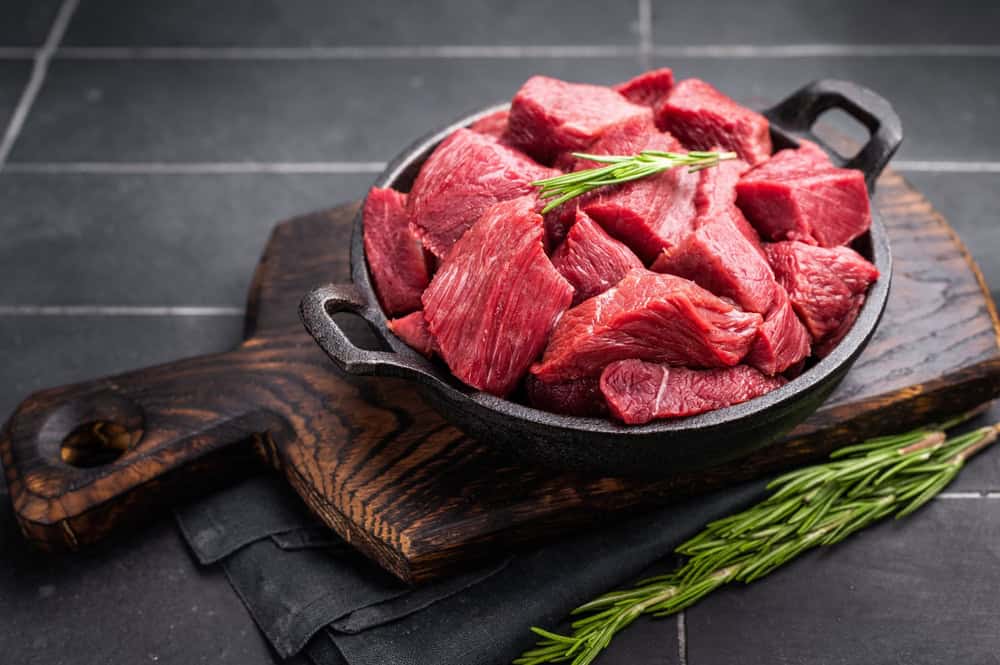
If you eat meat, lean red meat can be a useful source of heme iron. Heme iron is generally absorbed more efficiently by the body than non-heme iron from plant foods. [2]
Choose well-cooked meat rather than raw or undercooked meat during pregnancy. You can include it in curries, kebabs, or simple home-cooked meals.
Portion size still matters. Iron is important, but your pregnancy diet should include a variety of foods rather than relying on one food to provide everything.
5. Chicken and Other Poultry

Chicken and turkey provide heme iron as well as protein. They’re also easy to use in everyday meals, from chicken curry and soup to grilled chicken with vegetables.
Make sure poultry is cooked thoroughly. Avoid raw or undercooked meat during pregnancy because of the risk of foodborne infections.
If you’re vegetarian, don’t worry. Lentils, beans, soy foods, leafy vegetables, seeds and fortified foods can all contribute to your iron intake. [2]
6. Soybeans and Tofu
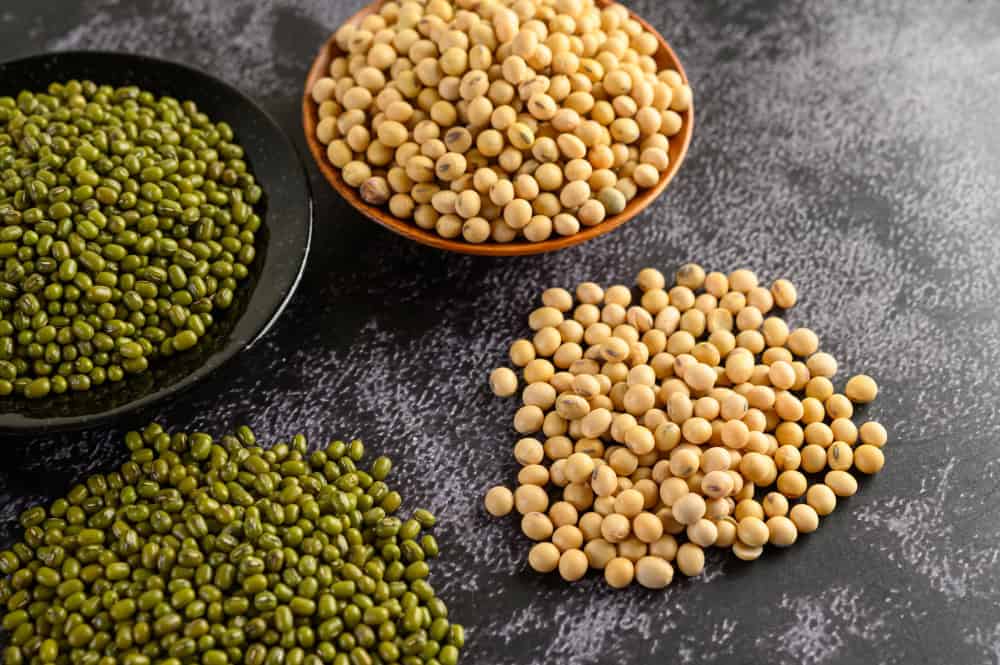
Soybeans and tofu are useful plant-based options if you don’t eat meat or simply want more variety.
Tofu can be added to stir-fries, curries, salads, or sandwiches. Soybeans can also be included in meals as a protein-rich ingredient.
Because the iron in soy foods is non-heme iron, combining them with vitamin C-rich foods can help your body absorb more of it.
For example, tofu with capsicum and tomatoes makes a simple combination that brings together iron, protein, and vitamin C.
7. Sesame Seeds
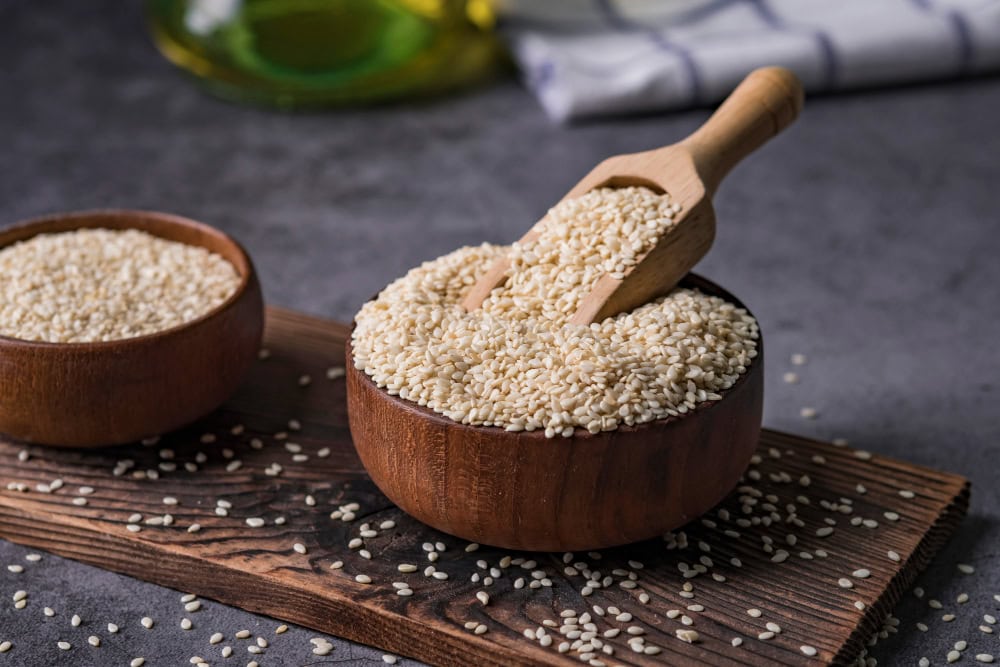
Sesame seeds may be tiny, but they can add iron and other nutrients to your diet.
Sprinkle them over vegetables, add them to chutneys, or use them in homemade snacks. You can also include tahini, which is made from sesame seeds.
Just remember that seeds are energy-dense, so you don’t need huge amounts. A small serving can be enough to add variety to your meals.
8. Pumpkin Seeds and Nuts
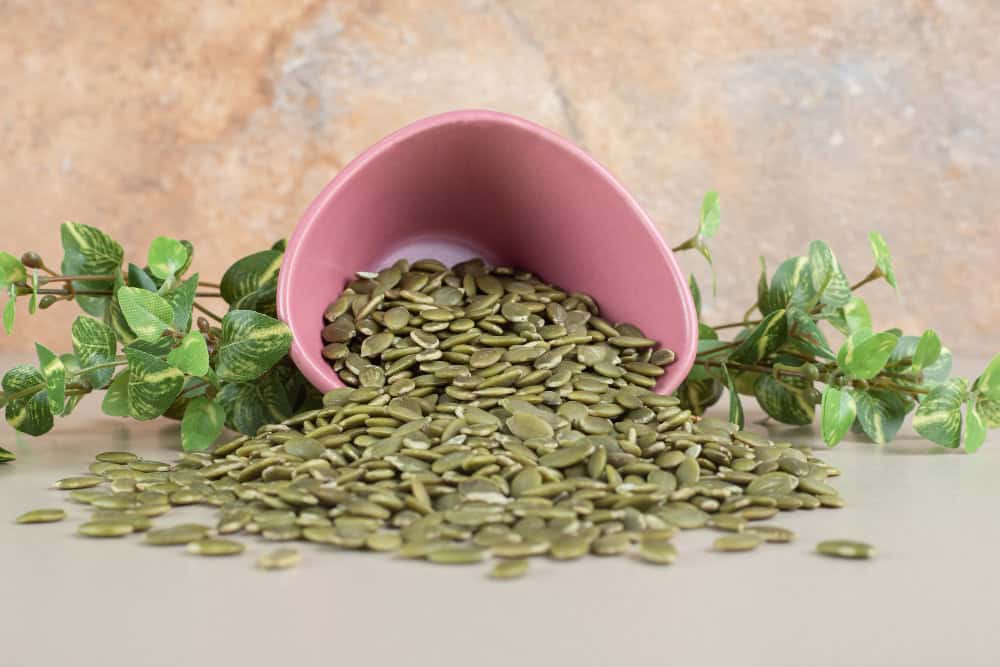
Pumpkin seeds, cashews, almonds, and other nuts can contribute to your iron intake. They’re also convenient when you want a quick snack.
Try adding a small handful of nuts and seeds to fruit, oats, or yogurt, or use pumpkin seeds as a topping for salads and soups.
Nuts and seeds shouldn’t replace your main meals, though. Think of them as one part of a varied diet that also includes grains, pulses, vegetables, fruits, and protein foods.
9. Iron-fortified Breakfast Cereals and Grains
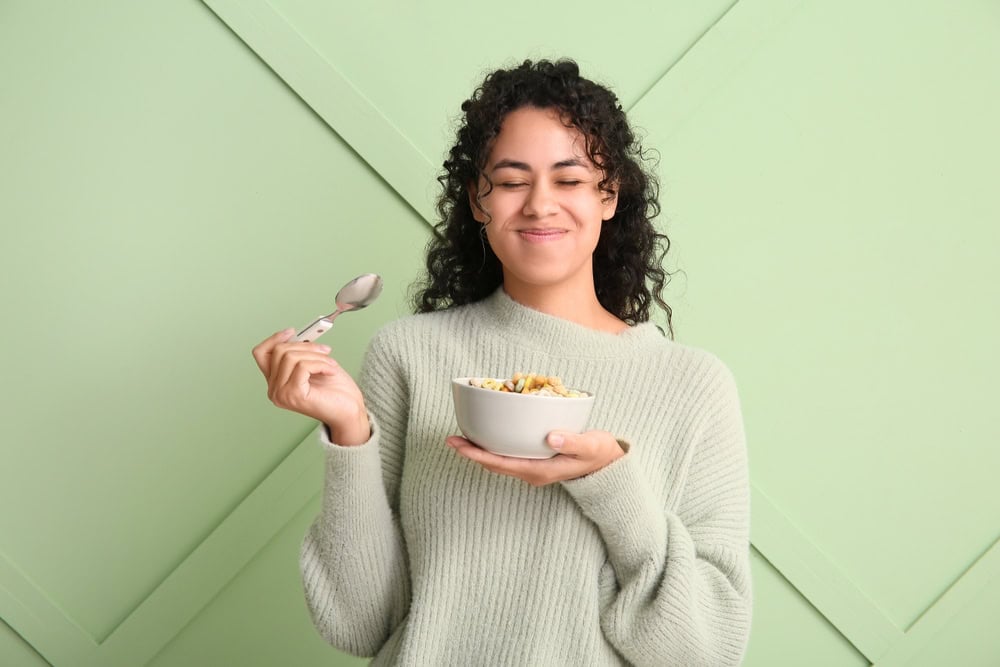
Some breakfast cereals, breads, and grain products are fortified with iron. Check the nutrition label to see whether the product contains added iron.
Fortified foods can be especially useful when you’re struggling to get enough iron through food alone.
You can have an iron-fortified cereal with fruit such as strawberries, guava, or oranges. The vitamin C in these foods can help improve absorption of non-heme iron. [2]
If you’re choosing packaged cereals, look beyond the front of the box. Compare the nutrition labels for iron, added sugar, and overall ingredients.
10. Dried Fruits Such as Raisins and Dried Apricots

Dried fruits such as raisins and dried apricots contain some iron and can be an easy addition to snacks or breakfast.
You can add them to porridge, oats, homemade trail mix, or a bowl of nuts and seeds.
Because dried fruits are concentrated sources of natural sugars and calories, keep portions sensible. They can complement your diet, but they shouldn’t be your main iron source.
How to Help Your Body Absorb More Iron
Eating an iron-rich food is only part of the picture. How you combine foods can also affect iron absorption.
Vitamin C can improve the absorption of non-heme iron from plant foods. Good sources include oranges, guava, amla, strawberries, tomatoes, broccoli, lemons, and capsicum. [2]
So instead of eating dal on its own, add lemon. Have chickpeas with tomatoes. Pair spinach with a vitamin C-rich vegetable or fruit.
Tea and coffee can interfere with iron absorption when consumed around an iron-rich meal. If you’re trying to improve your iron intake, avoid having tea or coffee with your main iron-rich meals. [4]
If coffee is part of your daily routine, you can also read more about how plain coffee fits into a healthy diet in this Tata 1mg guide: Black Coffee for Better Health: 6 Benefits You May Get From Your Daily Cup
Pregnancy is different, though. Caffeine intake is usually advised to stay within pregnancy-specific limits, so don’t use general adult caffeine recommendations as your pregnancy limit.
Don’t Forget Your Prenatal Supplement
Food is important, but food alone may not always provide enough iron during pregnancy.
Many prenatal vitamins contain iron, and your doctor may recommend an iron supplement based on your blood test results. If iron-deficiency anaemia is diagnosed, the amount of iron needed for treatment may differ from the routine preventive dose. Follow your doctor’s advice on the dose and duration rather than increasing your iron intake on your own. [3]
Don’t start taking high-dose iron supplements on your own. Too much iron can cause side effects and isn’t appropriate for everyone. Your doctor can decide whether you need an iron supplement and what dose is suitable for you.
If you’re taking separate iron and calcium supplements, ask your doctor or pharmacist how to space them because calcium can interfere with iron absorption. [2]
Iron and Folic Acid Supplementation During Pregnancy
| Pregnancy stage | Recommended IFA supplementation under Anemia Mukt Bharat Abhiyaan 2026 |
| From the second trimester | 1 red IFA tablet daily for 180 days |
| Each red IFA tablet contains | 60 mg elemental iron + 500 mcg folic acid |
| Along with IFA | Include locally available iron-rich foods and vitamin C-rich foods to support iron absorption |
The latest Government of India Anemia Mukt Bharat Abhiyaan Operational Guidelines state that pregnant women should receive one red IFA tablet daily for 180 days starting from the second trimester. Each tablet contains 60 mg elemental iron and 500 mcg folic acid. The guideline also recommends counselling on IFA compliance along with including iron-rich locally available foods and vitamin C to improve absorption.
What About the Liver During Pregnancy?
Liver is rich in iron, but it’s not a food you should add to your pregnancy diet simply because you’re trying to increase iron.
Liver contains very high amounts of preformed vitamin A, and too much vitamin A during pregnancy can harm the developing baby. The NHS advises pregnant women to avoid liver and liver products. [5]
There are plenty of safer iron-rich choices, so you don’t need to rely on the liver.
And if you’re interested in building a more balanced pregnancy plate, you can also explore how everyday fats compare in this Tata 1mg article on avocado and ghee. Avocado vs Ghee: What’s the Healthier Choice for Your Heart?
A Simple Way to Build an Iron-rich Meal
You don’t need to calculate every milligram of iron in every meal.
Instead, try this simple approach: choose one iron-containing food, add a protein source, include vegetables or fruit, and add something rich in vitamin C.
For example, you could have rajma with rice and tomato salad. Another option is dal with roti, spinach, and lemon. If you eat meat, chicken or lean meat with vegetables and a vitamin C-rich side can work well.
Small combinations like these can make your overall diet more nutritious without making pregnancy meals feel like a full-time job.
If you’ve been diagnosed with iron-deficiency anemia, though, don’t rely on diet changes alone. Follow your doctor’s treatment plan and get your hemoglobin and iron status checked as advised.
A Note to Remember
Not all anemia during pregnancy is caused by iron deficiency. Other types of anemia can have different causes, so appropriate testing is important before assuming that low iron is the reason. If you have anemia symptoms or low hemoglobin, talk to your doctor about the right tests and treatment.
FAQs
1. Which Indian foods are rich in iron during pregnancy?
Dal, chickpeas, rajma, other beans, spinach and other leafy greens, sesame seeds, nuts, seeds, soy foods, and fortified cereals can contribute iron. If you eat meat, lean meat and poultry provide heme iron, which is absorbed more efficiently than non-heme iron. [2]
2. Can I eat spinach during pregnancy?
Yes. Properly washed and cooked spinach can be part of a healthy pregnancy diet. It provides iron and several other nutrients. Pairing it with a vitamin C-rich food can help your body absorb its non-heme iron.
3. Does lemon help with iron absorption?
Yes. Lemon provides vitamin C, which can improve the absorption of non-heme iron from plant foods. Adding lemon to dal, chickpeas, or cooked vegetables is an easy habit.
4. Can I drink tea or coffee after eating an iron-rich meal?
It’s better not to have tea or coffee right with an iron-rich meal because compounds in these drinks can reduce iron absorption. [4]
If you’re pregnant, also keep your total caffeine intake within the limit recommended by your doctor.
5. Do I need iron tablets if I eat iron-rich foods?
Not necessarily, but some pregnant women need iron supplements even when they eat a balanced diet. If your blood tests show iron-deficiency anemia, your doctor may recommend an iron supplement in addition to dietary changes. [3]
6. Is jaggery a good source of iron during pregnancy?
Jaggery is sometimes promoted as a way to increase iron intake, but you shouldn’t depend on it as your main iron source. Pulses, beans, leafy greens, seeds, fortified foods, and appropriately prepared meat provide more useful dietary sources of iron.
7. Can I eat liver to increase iron during pregnancy?
It’s best to avoid liver and liver products during pregnancy because they can contain high levels of vitamin A. Too much preformed vitamin A can harm the developing baby. [5]
8. What are the signs of iron deficiency during pregnancy?
Tiredness, weakness, dizziness, headaches, pale skin, and shortness of breath can occur with anemia. However, these symptoms can also have other causes during pregnancy. Blood tests are needed to confirm iron deficiency or anemia. [3]
10. Can food alone treat iron-deficiency anemia?
Food can help improve your iron intake, but diagnosed iron-deficiency anemia may need iron supplements or other treatment. Don’t stop prescribed iron because you’re eating more iron-rich foods. Follow your healthcare professional’s advice.
References
1. ICMR-NIN Expert Group on Nutrient Requirements for Indians. Nutrient Requirements for Indians: Recommended Dietary Allowances and Estimated Average Requirements. Hyderabad: Indian Council of Medical Research-National Institute of Nutrition; 2020.
2. National Institutes of Health, Office of Dietary Supplements. Iron: Fact Sheet for Health Professionals. Updated September 4, 2025. https://ods.od.nih.gov/factsheets/Iron-HealthProfessional/
3. American College of Obstetricians and Gynecologists. Anemia in Pregnancy. Practice Bulletin No. 233. Obstet Gynecol. 2021;138(2). https://pubmed.ncbi.nlm.nih.gov/34293770/
4. NHS. Iron supplements. Healthier Together. Pregnancy and Birth. https://www.healthiertogether.nhs.uk/
5. NHS. Vitamins, supplements, and nutrition in pregnancy. Updated June 3, 2026. https://www.nhs.uk/pregnancy/keeping-well/pregnancy-vitamins-and-supplements/
6. Ministry of Health and Family Welfare, Government of India. Anemia Mukt Bharat Abhiyaan: Operational Guidelines [Internet]. New Delhi: Ministry of Health and Family Welfare, Government of India; 2026 [cited 2026 Oct 6].
The article is written by Mantasha, Sr. Executive, Clinical Health & Content, and reviewed by Monalisa Deka, Deputy Manager, Clinical Health & Content, Medical Affairs.)
Recommended Reads:
Eat to Ease Pain: 5 Anti–Inflammatory Foods to Reduce Joint Pain
Joint Pain In Winter: Essential Steps To Follow Before The Cold Sets In